
How To Reheat Brisket In Oven [FULL GUIDE]
Brisket, with its deep, smoky flavor and tender, melt-in-your-mouth texture, is a beloved cut of beef that’s often the centerpiece of any meal. However, brisket is also notoriously sensitive to reheating. Done incorrectly, it can turn dry, stringy, or tough, stripping away the very qualities that make it irresistible. Whether you’re dealing with leftovers from a barbecue or pre-cooked brisket you want to enjoy later, knowing the precise techniques for reheating in the oven can make the difference between a lackluster meal and a sublime experience reminiscent of the original feast. This guide delves into the best temperature, timing, and methods for bringing brisket back to life, as well as the pitfalls to avoid to preserve its rich flavor and succulent texture.
Contents
- 1 Best Temperature To Reheat Brisket In Oven
- 2 Best Cooking Time To Reheat Brisket In Oven
- 3 How To Reheat Brisket In Oven
- 4 When Not To Reheat Brisket In The Oven
- 5 Reheating Brisket More Than Once
- 6 What If I Use A Different Oven Temperature?
- 7 What If I Use A Different Oven Cook Time?
- 8 Best Ways To Reheat Brisket
- 9 Tips For Optimal Reheating Results
- 10 FAQs
- 10.1 What Is The Best Method To Reheat Brisket In The Oven?
- 10.2 How Long Does It Take To Reheat Brisket In The Oven?
- 10.3 Should I Add Liquid When Reheating Brisket In The Oven?
- 10.4 Can I Reheat A Whole Brisket In The Oven?
- 10.5 At What Temperature Should I Reheat Brisket In The Oven?
- 10.6 Is It Necessary To Wrap Brisket In Foil When Reheating It In The Oven?
- 10.7 Can I Reheat Leftover Brisket In The Oven Without Foil?
- 10.8 Should I Reheat Brisket From Frozen Or Thaw It First?
- 10.9 How Do I Know When My Reheated Brisket Is Done?
- 10.10 Can I Reheat Sliced Brisket In The Oven?
Best Temperature To Reheat Brisket In Oven
The ideal oven temperature for reheating brisket balances gentle warmth with moisture retention. Too high, and the meat will dry out; too low, and it may take excessively long to reach safe eating temperatures. The sweet spot is typically around 250°F to 275°F (120°C to 135°C).
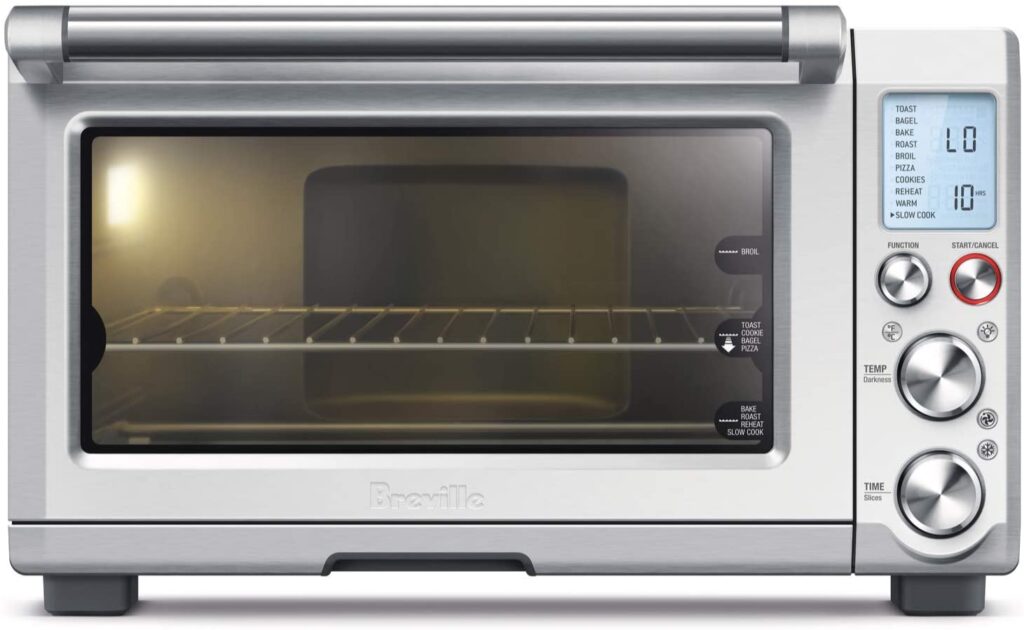
This moderate heat ensures that the internal fibers of the brisket gradually warm without tightening excessively or losing moisture. It also allows any added liquids, like beef broth or au jus, to infuse into the meat during reheating, enhancing juiciness and tenderness. Using a lower temperature preserves the brisket’s delicate texture, while higher temperatures can create a crust that’s desirable on fresh brisket but counterproductive for reheating.
Best Cooking Time To Reheat Brisket In Oven
Reheating brisket is less about rushing and more about patience. The general rule is allow about 20-30 minutes per pound of brisket at the recommended oven temperature, depending on whether the meat is sliced or whole.
- Sliced brisket: Typically reheats faster, taking roughly 20-30 minutes.
- Whole brisket: May require 1 to 1.5 hours or longer, especially if the brisket was refrigerated in a thick, dense cut.
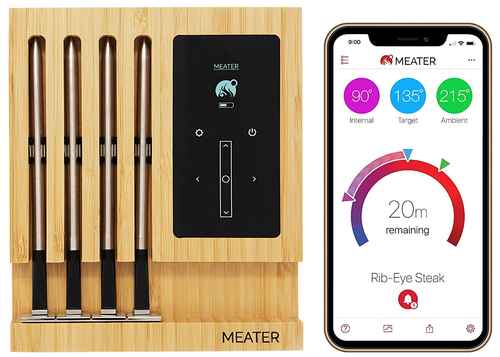
The goal is to reach an internal temperature of around 165°F (74°C), ensuring safety without overcooking. Using a meat thermometer is highly recommended, as visual cues alone may mislead you. Slow, consistent heat allows collagen and fat within the brisket to rehydrate, maintaining tenderness and preventing the dreaded dry edges.
How To Reheat Brisket In Oven
Reheating brisket in the oven is straightforward but requires attention to detail:
- Preheat your oven to 250°F-275°F (120°C-135°C).
- Prepare the brisket: Place sliced or whole brisket in a baking dish. For extra moisture, add a few tablespoons of beef broth, water, or a light barbecue sauce.
- Cover tightly with aluminum foil. This traps steam, preventing the meat from drying out.
- Reheat slowly in the oven, checking periodically with a meat thermometer. Sliced brisket may take 20-30 minutes; whole brisket may require 1-1.5 hours.
- Rest briefly before serving. Letting the brisket sit for 5-10 minutes allows juices to redistribute, ensuring every bite is tender and flavorful.
When Not To Reheat Brisket In The Oven
While the oven is generally reliable, there are scenarios where reheating brisket in the oven may not be ideal:
- Extremely thin slices: They may overcook before warming through.
- Already dry brisket: The oven can exacerbate dryness, in which case steaming or using a slow cooker may be preferable.
- Limited time: If you need brisket ready in 5-10 minutes, oven reheating is too slow and may compromise quality.
In these cases, alternative reheating methods like sous vide or stovetop steaming may better preserve moisture.
Reheating Brisket More Than Once
Reheating brisket multiple times is strongly discouraged. Each reheating cycle forces the meat to repeatedly lose moisture and risk bacterial growth. Ideally, reheat only the portion you plan to eat immediately.
If leftovers must be reheated again, ensure they are cooled quickly after the first reheating, stored in airtight containers, and kept below 40°F (4°C) in the refrigerator. Even with proper handling, repeated reheating will gradually degrade texture and flavor.
What If I Use A Different Oven Temperature?
Using a higher oven temperature (300°F-350°F or 150°C-175°C) can shorten reheating time but comes with risks:
- The exterior may dry out before the interior reaches the desired temperature.
- Meat fibers can tighten, resulting in tougher brisket.
- Moisture loss may necessitate adding extra liquid or covering tightly with foil.
Conversely, using a lower temperature (200°F-225°F or 95°C-110°C) slows the process but maximizes tenderness and flavor infusion. It’s especially effective for whole brisket or thicker slices.
What If I Use A Different Oven Cook Time?
Adjusting cook time directly affects texture and moisture:
- Shorter cook times: If rushed, the brisket may be warm outside but cold or uneven inside.
- Longer cook times: Generally safe at lower temperatures, but prolonged exposure without adequate moisture can dry out the meat.
The key is balancing time and temperature while monitoring internal temperature to maintain safety and tenderness.
Best Ways To Reheat Brisket
While the oven is a classic method, several alternatives can enhance reheating depending on the situation:
- Sous vide: Maintains exact temperature and moisture, yielding near-fresh brisket.
- Slow cooker: Ideal for large cuts, retains moisture over a few hours.
- Stovetop steaming: Works well for sliced brisket, preserving tenderness and juiciness.
- Microwave (last resort): Quick but prone to uneven heating and dryness; always cover and add moisture.
Tips For Optimal Reheating Results
- Slice before reheating: Smaller portions heat evenly and retain moisture.
- Add liquid: Beef broth, au jus, or light sauce prevents dryness.
- Cover tightly: Aluminum foil or oven-safe lids trap steam.
- Monitor internal temperature: Aim for 165°F (74°C) for safety without overcooking.
- Rest before serving: Allows juices to redistribute.
- Avoid repeated reheating: Preserve quality by heating only once.
FAQs
What Is The Best Method To Reheat Brisket In The Oven?
The best method to reheat brisket in the oven is to wrap it in foil and bake it at a low temperature (around 250°F or 120°C) to retain moisture. This allows the brisket to heat evenly without drying out.
How Long Does It Take To Reheat Brisket In The Oven?
Reheating brisket in the oven typically takes about 1 to 1.5 hours, depending on the size of the brisket and the temperature. If the brisket is thin, it may take less time, while larger cuts may need more time.
Should I Add Liquid When Reheating Brisket In The Oven?
Yes, adding a small amount of liquid, such as beef broth, barbecue sauce, or even water, can help keep the brisket moist while reheating. This prevents it from drying out during the long cooking process.
Can I Reheat A Whole Brisket In The Oven?
Yes, you can reheat a whole brisket in the oven. Just be sure to wrap it tightly in foil to preserve moisture, and reheat it slowly at a low temperature to ensure even heating.
At What Temperature Should I Reheat Brisket In The Oven?
The ideal temperature for reheating brisket in the oven is around 250°F (120°C). This low heat allows the meat to warm up slowly without overcooking or drying out.
Is It Necessary To Wrap Brisket In Foil When Reheating It In The Oven?
Wrapping brisket in foil is highly recommended when reheating in the oven. This helps lock in moisture and prevents the meat from becoming dry or tough during the reheating process.
Can I Reheat Leftover Brisket In The Oven Without Foil?
While you can reheat brisket without foil, it is not recommended, as the meat is more likely to dry out. If you choose to reheat without foil, consider covering the brisket with a lid or another baking dish to trap moisture.
Should I Reheat Brisket From Frozen Or Thaw It First?
It is best to thaw brisket in the refrigerator before reheating, as reheating frozen brisket can result in uneven heating. If you must reheat from frozen, increase the cooking time and be sure to cover the brisket well to prevent it from drying out.
How Do I Know When My Reheated Brisket Is Done?
The brisket is ready when it reaches an internal temperature of 165°F (74°C). You can use a meat thermometer to check the temperature at the thickest part of the brisket to ensure it is fully reheated.
Can I Reheat Sliced Brisket In The Oven?
Yes, you can reheat sliced brisket in the oven. Arrange the slices in a single layer on a baking sheet, cover them with foil, and reheat at 250°F (120°C) for about 20-30 minutes, depending on the thickness of the slices.