
How To Reheat Croissant In Oven [FULL GUIDE]
The croissant, with its golden, flaky exterior and soft, buttery interior, is one of the most beloved pastries in the world. Its delicate layers, created through a meticulous process of lamination, demand careful handling, especially when it comes to reheating. A poorly reheated croissant can turn soggy, dry, or unevenly warm, diminishing the very qualities that make it irresistible. Understanding how to reheat a croissant correctly ensures that you enjoy it as close to its fresh-baked perfection as possible. Among the various reheating methods, the oven is widely regarded as the best tool to revive a croissant’s crispiness while preserving its tender interior.
Contents
- 1 Best Temperature To Reheat Croissant In Oven
- 2 Best Cooking Time To Reheat Croissant In Oven
- 3 How To Reheat Croissant In Oven
- 4 When Not To Reheat Croissant In The Oven
- 5 Reheating Croissant More Than Once
- 6 What If I Use A Different Oven Temperature?
- 7 What If I Use A Different Oven Cook Time?
- 8 Best Ways To Reheat Croissant
- 9 Tips For Optimal Reheating Results
- 10 FAQs
- 10.1 What Is The Best Temperature To Reheat Croissants In The Oven?
- 10.2 How Long Should I Reheat Croissants In The Oven?
- 10.3 Should I Wrap Croissants In Foil When Reheating Them?
- 10.4 Can I Reheat Croissants In A Convection Oven?
- 10.5 How Do I Reheat Frozen Croissants In The Oven?
- 10.6 Should I Use A Baking Sheet To Reheat Croissants?
- 10.7 Can I Reheat Croissants In The Oven Without Preheating It?
- 10.8 How Do I Keep Croissants From Getting Too Hard When Reheating?
- 10.9 Is It Okay To Reheat Croissants Multiple Times In The Oven?
- 10.10 Can I Reheat Croissants With Filling (like Chocolate Or Almond) In The Oven?
Best Temperature To Reheat Croissant In Oven
The temperature you choose for reheating a croissant is crucial because it affects both the texture and taste. Too high a temperature can scorch the outer layers before the interior has warmed, leaving you with a burnt crust and a cold center. Conversely, too low a temperature may heat the pastry evenly but result in a limp, chewy croissant.
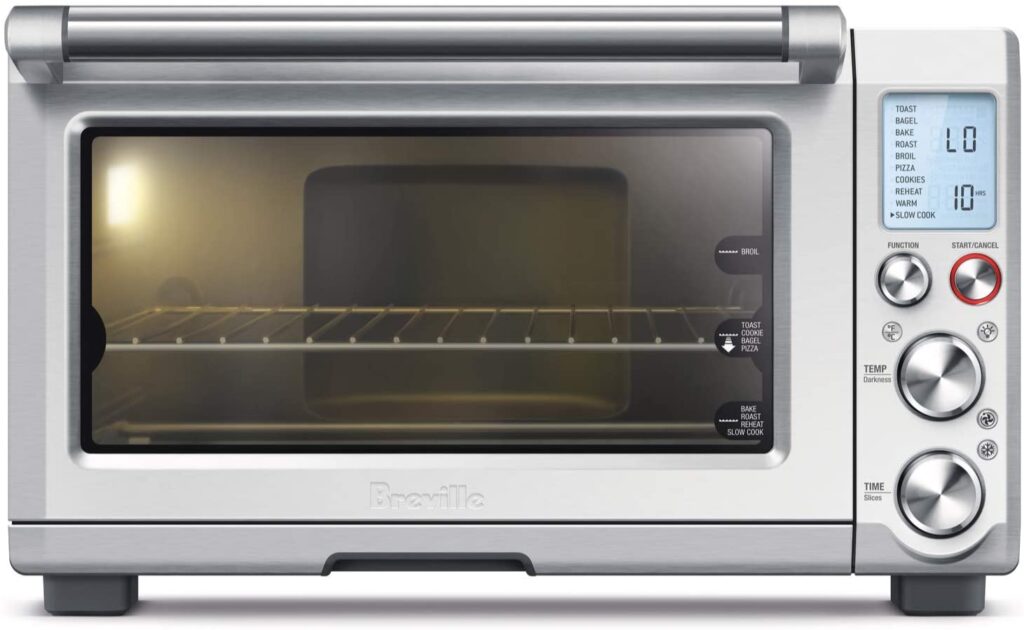
The ideal oven temperature for reheating croissants is 325°F to 350°F (163°C to 177°C). This range provides a gentle, even heat that revitalizes the layers without compromising their flakiness. It’s warm enough to allow the butter within the layers to melt slowly, which enhances the aroma and mouthfeel, yet moderate enough to prevent over-browning.
Best Cooking Time To Reheat Croissant In Oven
Cooking time is as essential as temperature in achieving the perfect reheated croissant. A general guideline is 5 to 10 minutes, depending on the size of the croissant and whether it is frozen or refrigerated.
- Refrigerated croissants: Typically, they require 5-7 minutes to warm through.
- Frozen croissants: If not thawed beforehand, expect 8-10 minutes to ensure the heat penetrates the core without drying the exterior.
Keep in mind that ovens vary in heat distribution, so monitoring closely during the final minute is recommended to avoid overcooking.
How To Reheat Croissant In Oven
- Preheat the oven: Set your oven to 325-350°F (163-177°C) for optimal results.
- Prepare the croissant: If frozen, allow it to thaw for 15-20 minutes at room temperature. For added moisture retention, lightly mist the croissant with water or wrap it loosely in aluminum foil.
- Place on a baking sheet: Avoid overcrowding to ensure even heating.
- Reheat: Bake for 5-10 minutes, checking halfway for doneness. If wrapped in foil, the croissant will be softer; unwrapped, it will regain crispiness.
- Rest briefly: Remove from the oven and let it cool for 1-2 minutes before eating. This allows residual heat to even out across the layers.
When Not To Reheat Croissant In The Oven
While the oven is ideal for most croissants, there are cases when reheating is ill-advised:
- Very stale or old croissants: Reheating may intensify dryness rather than restore texture.
- Croissants with delicate fillings: Pastries filled with cream, custard, or chocolate can overheat and leak or curdle in the oven.
- Excessively small croissants: Tiny ones can burn quickly due to their thin layers.
In these situations, alternatives like a microwave with careful timing or consuming them fresh may be better.
Reheating Croissant More Than Once
Repeatedly reheating a croissant is generally discouraged. Each reheating cycle removes moisture, leading to a dry and crumbly interior. Flakiness diminishes, and the pastry can lose its signature buttery aroma. If multiple reheating sessions are necessary, wrapping the croissant in foil and briefly warming at a low temperature is the safest approach, though results will never match the first reheating.
What If I Use A Different Oven Temperature?
Adjusting the temperature outside the 325-350°F range changes outcomes significantly:
- Lower temperatures (<325°F / 163°C): Slow heating may soften the croissant without crisping, resulting in a chewy texture.
- Higher temperatures (>350°F / 177°C): Quick browning occurs, which can burn the crust before the interior warms properly, creating an unpleasant contrast of textures.
Understanding the balance between heat and time is key when deviating from recommended temperatures.
What If I Use A Different Oven Cook Time?
Changing the cooking time can have the following effects:
- Shorter cook time (<5 minutes): The croissant may remain cold or unevenly heated in the center.
- Longer cook time (>10 minutes): Even at proper temperatures, the croissant risks becoming dry and overly hard.
Adjustments should be paired with careful observation to avoid compromising texture.
Best Ways To Reheat Croissant
While the oven is generally best, other methods can work depending on circumstances:
- Toaster oven: Mimics oven results in smaller batches.
- Microwave (with caution): Quick but risks sogginess; wrapping in a paper towel helps absorb moisture.
- Skillet or pan: Low heat with a lid can refresh flakiness while heating the interior; may require a small amount of butter to enhance texture.
The oven, however, consistently delivers the most balanced outcome: crisp, buttery layers with a warm, tender interior.
Tips For Optimal Reheating Results
- Avoid foil for crispiness: If you want a crunchy exterior, place the croissant directly on a baking tray. Use foil only if you prefer a soft result.
- Check early: Oven temperatures vary; inspect at 5 minutes for smaller croissants.
- Moisture retention: A brief spritz of water or covering loosely with foil prevents drying, especially for older pastries.
- Single layer heating: Avoid stacking croissants to ensure even heat distribution.
- Use preheated oven: Ensures immediate, consistent heating without prolonging exposure to low heat.
FAQs
What Is The Best Temperature To Reheat Croissants In The Oven?
The ideal temperature to reheat croissants in the oven is around 350°F (175°C). This temperature ensures that the croissant warms through evenly without becoming too dry or overcooked.
How Long Should I Reheat Croissants In The Oven?
Reheat croissants for about 5 to 10 minutes in the oven. If the croissants are frozen, it may take a bit longer-around 15 minutes-depending on the size and thickness of the pastry.
Should I Wrap Croissants In Foil When Reheating Them?
Wrapping croissants in foil is optional. It helps retain moisture and prevents the outer layer from becoming too crispy or drying out. If you prefer a crispier texture, you can skip the foil.
Can I Reheat Croissants In A Convection Oven?
Yes, you can reheat croissants in a convection oven. Set it to 325°F (165°C) for even heat circulation. Convection ovens generally reduce reheating time by a couple of minutes, so check the croissants after 4 to 6 minutes.
How Do I Reheat Frozen Croissants In The Oven?
To reheat frozen croissants, preheat your oven to 350°F (175°C) and bake them for about 15 minutes. For best results, let the croissants thaw at room temperature for about 10 minutes before reheating.
Should I Use A Baking Sheet To Reheat Croissants?
Yes, it’s a good idea to place croissants on a baking sheet to ensure they heat evenly. If you’re using foil to wrap them, place the wrapped croissants directly on the sheet.
Can I Reheat Croissants In The Oven Without Preheating It?
While it’s generally best to preheat your oven, you can reheat croissants without doing so. However, they may not heat as evenly, and it could take a little longer to reach the desired warmth.
How Do I Keep Croissants From Getting Too Hard When Reheating?
To prevent croissants from becoming too hard, you can lightly spritz them with water before reheating. Wrapping them in foil also helps trap moisture, keeping the texture soft and flaky.
Is It Okay To Reheat Croissants Multiple Times In The Oven?
It’s best to reheat croissants only once, as reheating them multiple times can cause the pastry to become dry and lose its texture. If you have leftovers, it’s better to store them properly and reheat as needed.
Can I Reheat Croissants With Filling (like Chocolate Or Almond) In The Oven?
Yes, you can reheat croissants with filling in the oven. Be mindful of the filling’s temperature, as it may become too hot and potentially burn. A good tip is to wrap the croissants loosely in foil to protect the filling and keep the croissant’s texture intact.