
How To Reheat Spare Ribs In Oven [FULL GUIDE]
Spare ribs are a culinary delight, celebrated for their tender, juicy meat and rich, smoky flavors. Whether slow-cooked, smoked, or barbecued, they become a centerpiece of any meal. However, one challenge arises when leftovers remain: how to reheat them without compromising their texture, moisture, and flavor. Improper reheating can lead to dry, tough, or rubbery ribs, stripping away the qualities that made them irresistible in the first place.
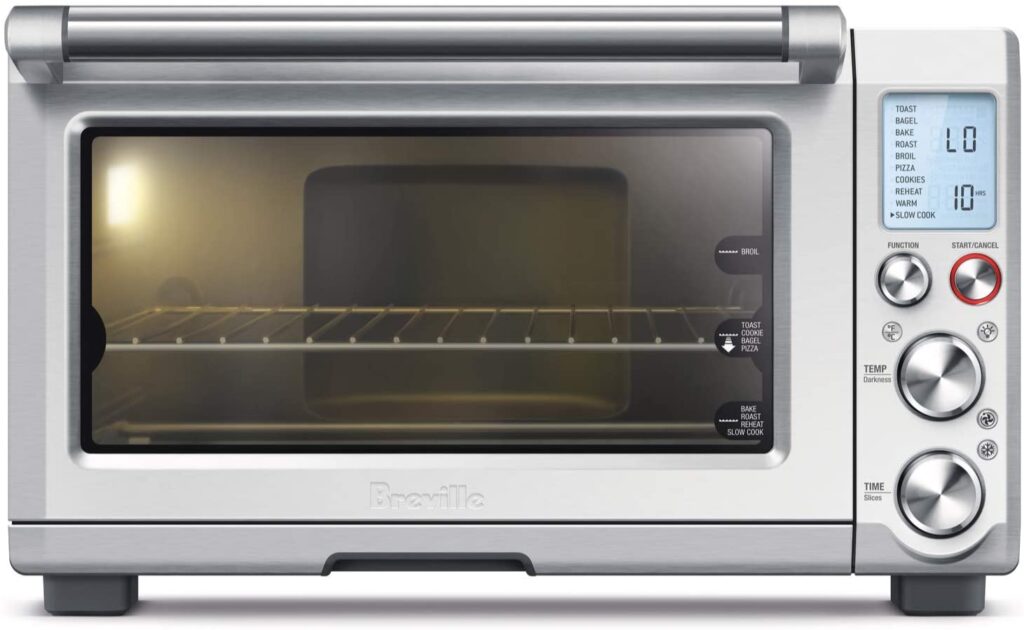
Using an oven is widely regarded as one of the most reliable methods to reheat spare ribs because it allows for gentle, even warming while preserving moisture. Unlike microwaving, which often dries out meat, or stovetop methods, which may unevenly heat the ribs, the oven provides controlled heat that maintains both tenderness and taste. This guide delves deeply into the optimal temperature, timing, techniques, and tips for ensuring your leftover ribs taste almost as good as freshly cooked ones.
Contents
- 1 Best Temperature To Reheat Spare Ribs In Oven
- 2 Best Cooking Time To Reheat Spare Ribs In Oven
- 3 How To Reheat Spare Ribs In Oven
- 4 When Not To Reheat Spare Ribs In The Oven
- 5 Reheating Spare Ribs More Than Once
- 6 What If I Use A Different Oven Temperature?
- 7 What If I Use A Different Oven Cook Time?
- 8 Best Ways To Reheat Spare Ribs
- 9 Tips For Optimal Reheating Results
- 10 FAQs
- 10.1 What Is The Best Temperature To Reheat Spare Ribs In The Oven?
- 10.2 Should I Cover The Spare Ribs While Reheating?
- 10.3 How Long Does It Take To Reheat Spare Ribs In The Oven?
- 10.4 Can I Add Sauce When Reheating Spare Ribs?
- 10.5 Is It Better To Reheat Ribs From Cold Or At Room Temperature?
- 10.6 Can I Reheat Frozen Spare Ribs In The Oven?
- 10.7 How Can I Prevent Spare Ribs From Drying Out In The Oven?
- 10.8 Can I Reheat Spare Ribs Without Foil?
- 10.9 Should I Slice The Ribs Before Reheating?
- 10.10 Can I Crisp The Edges Of The Ribs After Reheating?
Best Temperature To Reheat Spare Ribs In Oven
The ideal oven temperature for reheating spare ribs strikes a balance between warming the meat thoroughly and preserving its juiciness. A temperature that is too low can prolong the cooking process, causing the ribs to dry out, while a temperature that is too high risks burning the exterior before the interior warms adequately.
For best results, preheat your oven to 250°F (120°C) to 300°F (150°C). At this low-to-moderate temperature, the ribs warm evenly without aggressive cooking. This range allows the fat and connective tissues in the ribs to gradually soften, reactivating the succulence that makes spare ribs so enjoyable. Additionally, this temperature range helps prevent the glaze or barbecue sauce on the ribs from scorching while allowing flavors to meld back into the meat.
Best Cooking Time To Reheat Spare Ribs In Oven
Cooking time is closely tied to oven temperature. At 250°F (120°C), reheating will take approximately 25-30 minutes for standard leftover portions, while larger racks may require 35-40 minutes. If using the upper end of the recommended temperature range (300°F/150°C), the time reduces slightly, usually 20-25 minutes.
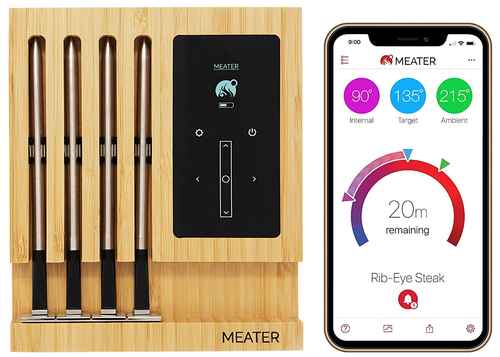
The key is to ensure the internal temperature of the ribs reaches around 145°F (63°C) for food safety without overcooking. Using a meat thermometer is highly recommended, as it provides an accurate reading and prevents accidental drying out.
How To Reheat Spare Ribs In Oven
- Preheat the oven to 250°F-300°F.
- Prepare the ribs: Remove them from the refrigerator and let them sit at room temperature for 10-15 minutes. This step reduces temperature shock and promotes even reheating.
- Wrap the ribs in aluminum foil. Adding a splash of water, broth, or barbecue sauce inside the foil creates steam, which keeps the meat moist.
- Place the ribs on a baking tray: Use a shallow pan or tray to catch any juices that may leak during reheating.
- Reheat gently: Place in the oven and warm for 25-40 minutes depending on rack size.
- Check doneness: Use a meat thermometer to ensure the internal temperature reaches 145°F (63°C).
- Optional finishing step: For a slightly caramelized exterior, unwrap the ribs for the last 5-10 minutes of reheating, increasing the temperature slightly to 325°F (160°C).
When Not To Reheat Spare Ribs In The Oven
Oven reheating isn’t always ideal. Avoid reheating ribs if:
- They’ve been sitting out too long: Ribs left at room temperature for more than 2 hours may harbor bacteria.
- They’re already overcooked or dry: The oven will not restore lost moisture and may worsen texture.
- You plan multiple reheats: Repeated heating cycles increase dryness and reduce flavor.
In these cases, alternative methods like slow-cooking in a covered pan with liquid or using a sous-vide setup may better preserve quality.
Reheating Spare Ribs More Than Once
Each reheating cycle removes moisture and breaks down the meat fibers further, leading to drier, tougher ribs. Therefore, it’s strongly recommended to reheat spare ribs only once. If you must reheat multiple times, consider storing leftovers in smaller, individual portions to avoid unnecessary reheating of the entire rack.
What If I Use A Different Oven Temperature?
- Lower temperatures (<250°F / 120°C): The ribs will take longer to reheat. Prolonged cooking can eventually dry them out if not wrapped with moisture-retaining foil.
- Higher temperatures (>300°F / 150°C): While faster, the risk of overcooking or burning the exterior increases. The meat may heat unevenly, especially if the rack is thick.
Always balance temperature with cooking time and moisture retention to avoid compromising quality.
What If I Use A Different Oven Cook Time?
- Shorter times: The ribs may remain cold in the center while the exterior starts to overcook.
- Longer times: Even at low temperatures, excessive cooking can dry out the ribs and make them tough.
Using a thermometer or checking periodically ensures perfect results regardless of time adjustments.
Best Ways To Reheat Spare Ribs
While the oven is ideal, other methods can be used carefully:
- Sous-vide reheating: Immersing vacuum-sealed ribs in warm water preserves moisture and texture.
- Slow-cooker reheating: Using low heat with some liquid retains tenderness.
- Microwave reheating (with caution): Use low power and cover the ribs to trap steam, though texture may be less ideal.
Among these, oven reheating remains the gold standard for flavor and texture.
Tips For Optimal Reheating Results
- Always wrap in foil: Locks in moisture and prevents drying.
- Add a liquid: A splash of water, broth, or barbecue sauce prevents meat from becoming dry.
- Check internal temperature: 145°F (63°C) is the sweet spot.
- Rest before serving: Let ribs sit 3-5 minutes after reheating for juices to redistribute.
- Avoid multiple reheats: Reheat only what you plan to eat to maintain quality.
- Optional glaze finish: Broil for 2-3 minutes at the end for a crisp, caramelized exterior.
FAQs
What Is The Best Temperature To Reheat Spare Ribs In The Oven?
The optimal temperature for reheating spare ribs in the oven is 250-300°F (120-150°C). This low and slow approach ensures the ribs heat evenly without drying out the meat.
Should I Cover The Spare Ribs While Reheating?
Yes, it is recommended to cover the ribs with aluminum foil. Covering helps retain moisture and prevents the ribs from becoming tough or dry during reheating.
How Long Does It Take To Reheat Spare Ribs In The Oven?
Reheating usually takes 20-30 minutes for medium-sized portions. Larger slabs may require 35-40 minutes. Internal temperature should reach at least 165°F (74°C) to ensure they are safely reheated.
Can I Add Sauce When Reheating Spare Ribs?
Yes, you can brush barbecue sauce or glaze over the ribs before reheating. Adding sauce helps maintain moisture and enhances flavor, especially when the ribs have been refrigerated for some time.
Is It Better To Reheat Ribs From Cold Or At Room Temperature?
For even reheating, it is best to let the ribs sit at room temperature for 10-15 minutes before placing them in the oven. This prevents the exterior from overcooking while the inside warms up.
Can I Reheat Frozen Spare Ribs In The Oven?
Yes, frozen ribs can be reheated directly in the oven. Increase the cooking time by 10-15 minutes and keep them covered to allow slow, even heating.
How Can I Prevent Spare Ribs From Drying Out In The Oven?
To prevent dryness, cover the ribs with foil, optionally add a small amount of water, broth, or sauce to the pan, and reheat at a low temperature. Avoid high heat, which can cause the meat to become tough.
Can I Reheat Spare Ribs Without Foil?
Yes, but ribs reheated without foil may dry out faster. To compensate, you can baste them with sauce or cover them loosely with a lid or oven-safe dish to retain moisture.
Should I Slice The Ribs Before Reheating?
It is optional. Slicing ribs before reheating reduces the reheating time and allows the heat to penetrate evenly. However, reheating the whole slab can preserve juiciness and presentation.
Can I Crisp The Edges Of The Ribs After Reheating?
Yes, after the ribs are fully reheated, you can remove the foil and broil them for 2-3 minutes to crisp the edges. Keep a close eye to prevent burning, as the sugar in sauces can caramelize quickly.