
How To Reheat Chicken Casserole In Oven [FULL GUIDE]
Chicken casserole is a beloved comfort food-a harmonious blend of tender chicken, creamy sauces, hearty vegetables, and sometimes a crunchy topping that together create a satisfying and flavorful dish. Whether it’s a leftover from a family dinner or a pre-made meal from the freezer, reheating chicken casserole correctly is crucial to preserve its taste, texture, and food safety. Improper reheating can lead to dryness, uneven heating, or even bacterial growth, diminishing both the flavor and the quality of the dish. The oven, with its even heat distribution and gentle warming capabilities, is often the preferred method for reheating casseroles compared to the microwave, which can sometimes produce soggy or rubbery textures. Understanding the right temperature, timing, and techniques ensures your chicken casserole emerges warm, creamy, and delicious, almost as if it were freshly baked.
Contents
- 1 Best Temperature To Reheat Chicken Casserole In Oven
- 2 Best Cooking Time To Reheat Chicken Casserole In Oven
- 3 How To Reheat Chicken Casserole In Oven
- 4 When Not To Reheat Chicken Casserole In The Oven
- 5 Reheating Chicken Casserole More Than Once
- 6 What If I Use A Different Oven Temperature?
- 7 What If I Use A Different Oven Cook Time?
- 8 Best Ways To Reheat Chicken Casserole
- 9 Tips For Optimal Reheating Results
- 10 FAQs
- 10.1 What Is The Best Temperature To Reheat Chicken Casserole In The Oven?
- 10.2 How Long Should I Reheat A Chicken Casserole In The Oven?
- 10.3 Should I Cover The Chicken Casserole When Reheating It?
- 10.4 Can I Reheat Chicken Casserole Straight From The Refrigerator?
- 10.5 Can I Reheat Frozen Chicken Casserole In The Oven?
- 10.6 How Can I Prevent The Chicken Casserole From Drying Out While Reheating?
- 10.7 Is It Safe To Reheat Chicken Casserole Multiple Times?
- 10.8 Should I Add Extra Sauce When Reheating Chicken Casserole?
- 10.9 Can I Reheat Chicken Casserole In A Convection Oven?
- 10.10 How Do I Know When The Chicken Casserole Is Fully Reheated?
Best Temperature To Reheat Chicken Casserole In Oven
Selecting the correct oven temperature is critical when reheating chicken casserole. Too high a temperature risks drying out the chicken and overcooking the vegetables, while too low a temperature may leave parts of the casserole cold, potentially creating a food safety hazard.
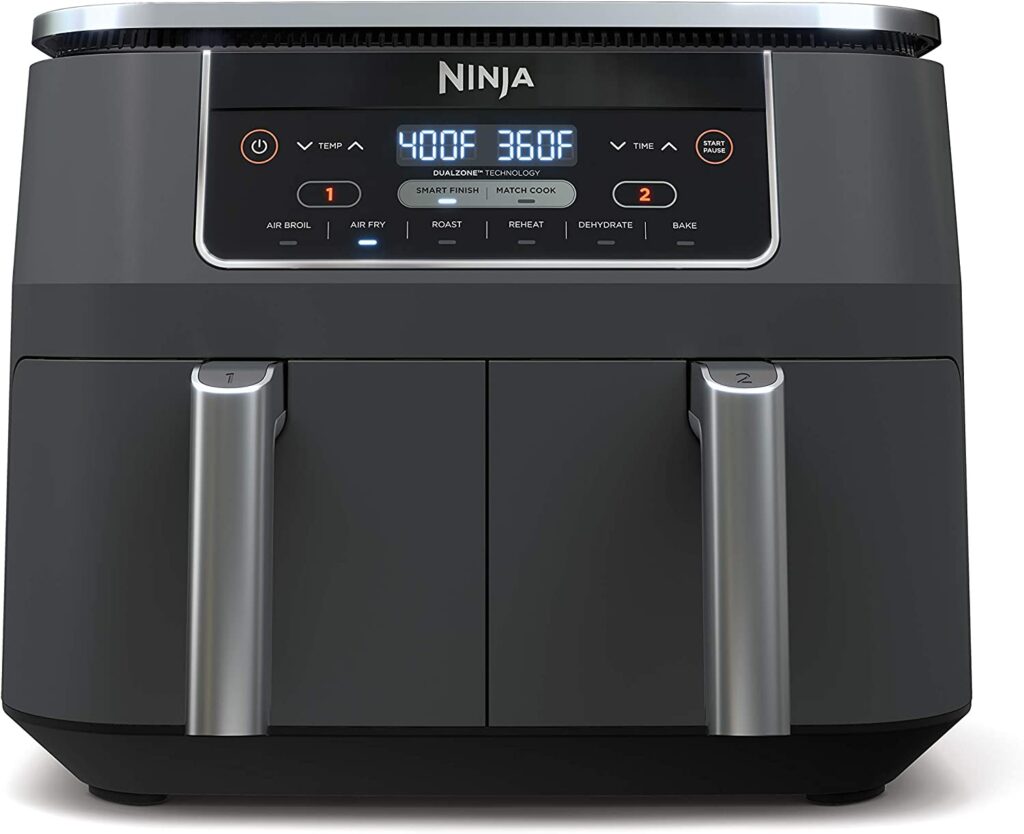
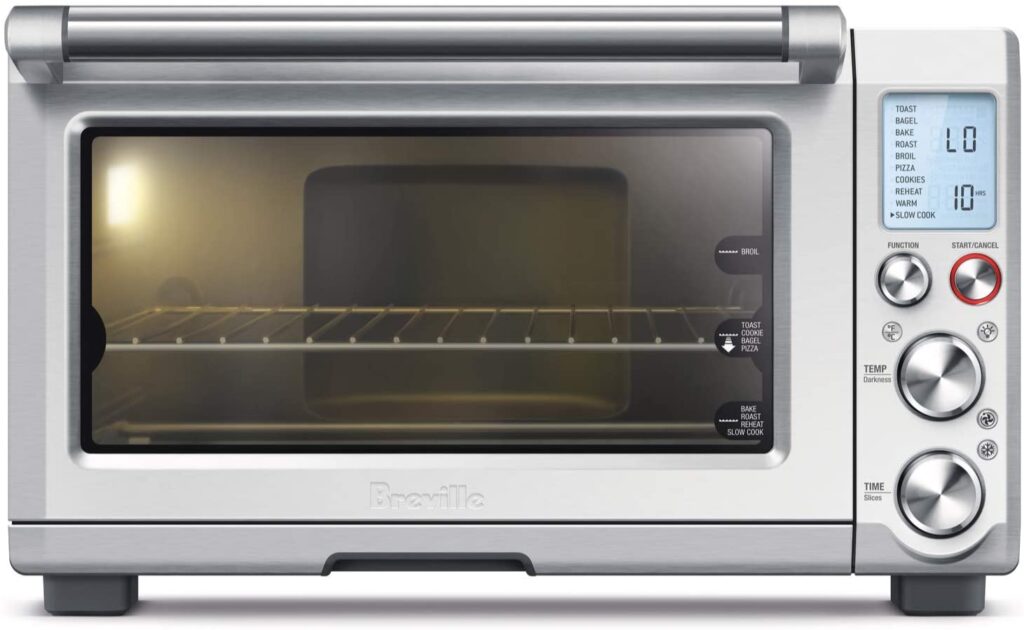
For optimal results, a moderate oven temperature of 325°F to 350°F (160°C to 175°C) is generally ideal. This range allows the casserole to heat evenly without causing the creamy sauce to separate or the top layer-whether breadcrumbs, cheese, or pastry-to burn. A temperature of 325°F is preferable for larger or thicker casseroles, as it provides a slow, even warming that preserves moisture. If you’re dealing with a smaller portion, 350°F can achieve a faster reheating time without compromising texture.
Using a temperature lower than 325°F is possible but may require significantly longer cooking times, increasing the risk of uneven heating. Conversely, temperatures above 375°F are usually too aggressive, causing the edges to dry before the center is fully warmed.
Best Cooking Time To Reheat Chicken Casserole In Oven
The cooking time for reheating depends on the size, thickness, and whether the casserole was refrigerated or frozen. For refrigerated casseroles, a typical timeframe is 20-30 minutes, while frozen casseroles may require 45-60 minutes.
For even results, it’s essential to check the internal temperature rather than relying solely on time. The USDA recommends that reheated poultry dishes reach a minimum internal temperature of 165°F (74°C) to ensure safety. This ensures that harmful bacteria, such as Salmonella, are eliminated while preserving the casserole’s creamy texture.
Thicker casseroles may require tenting with aluminum foil to prevent the top from drying out while allowing the heat to penetrate the center. Additionally, stirring halfway through reheating can help distribute heat evenly, especially in casseroles with layered ingredients.
How To Reheat Chicken Casserole In Oven
- Preheat the Oven: Set your oven to 325°F-350°F (160°C-175°C).
- Prepare the Casserole: Remove the casserole from the refrigerator. If it’s in a glass or ceramic dish, allow it to sit at room temperature for 10-15 minutes to reduce thermal shock.
- Cover with Foil: Lightly cover the casserole with aluminum foil to retain moisture and prevent the top from browning too quickly.
- Bake: Place the casserole in the oven. Refrigerated casseroles generally require 20-30 minutes, while frozen casseroles may need 45-60 minutes.
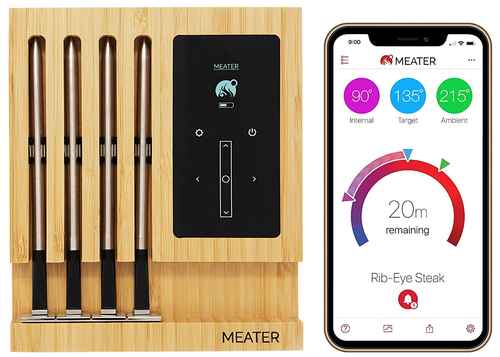
- Check Temperature: Insert a food thermometer into the center. The internal temperature should reach 165°F (74°C).
- Optional Browning: Remove the foil for the last 5-10 minutes if you want a golden, crispy top.
- Serve Immediately: Allow the casserole to sit for a few minutes before serving to ensure even distribution of heat and moisture.
When Not To Reheat Chicken Casserole In The Oven
Certain situations make reheating chicken casserole unsafe or undesirable:
- Left out for more than 2 hours: Bacteria grow rapidly at room temperature, making the dish unsafe to consume.
- Signs of spoilage: A sour smell, mold, or discoloration indicates that reheating will not make the dish safe.
- Repeated reheating: Casseroles already reheated once may degrade in texture and safety; repeated heating increases the risk of bacterial growth if not handled carefully.
Reheating Chicken Casserole More Than Once
Reheating chicken casserole multiple times is generally discouraged. Every time a casserole is cooled and reheated, the risk of bacterial growth increases, especially if it sits at unsafe temperatures for prolonged periods. If repeated reheating is unavoidable:
- Only reheat the portion you intend to eat.
- Ensure the internal temperature reaches 165°F (74°C) each time.
- Never reheat more than once from frozen or previously reheated leftovers.
What If I Use A Different Oven Temperature?
Using a temperature outside the recommended 325°F-350°F range will affect the outcome:
- Lower temperatures (<325°F): Slow reheating preserves moisture but requires longer cooking times and may be inconvenient.
- Higher temperatures (>350°F): Quick reheating risks drying out the chicken, separating sauces, or burning the topping.
For best results, adjustments should always be paired with careful monitoring and internal temperature checks.
What If I Use A Different Oven Cook Time?
Cooking time directly affects texture and safety:
- Shorter time than recommended: Risk of undercooking, cold spots, or unsafe internal temperature.
- Longer time than recommended: Can lead to drying, tough chicken, and overcooked vegetables.
Always pair time adjustments with internal temperature measurement to ensure the dish reaches 165°F (74°C).
Best Ways To Reheat Chicken Casserole
- Oven method (recommended): Even heat, preserves texture and flavor.
- Microwave (for single portions): Convenient, but can produce uneven heating or soggy textures. Stir midway for even warmth.
- Skillet method: For casseroles without a topping, reheating in a covered skillet with a small amount of water or broth can maintain moisture.
Tips For Optimal Reheating Results
- Cover the casserole with foil to prevent drying.
- Stir halfway through reheating to distribute heat evenly.
- Add moisture if the casserole seems dry-milk, broth, or sauce can restore creaminess.
- Check internal temperature with a food thermometer.
- Allow it to rest for a few minutes after reheating to stabilize temperature and flavor.
- Reheat only what you plan to eat, avoiding repeated cycles.
FAQs
What Is The Best Temperature To Reheat Chicken Casserole In The Oven?
The ideal temperature for reheating chicken casserole in the oven is 350°F (175°C). This temperature allows the casserole to heat evenly without drying out the chicken or overcooking the vegetables.
How Long Should I Reheat A Chicken Casserole In The Oven?
Reheating time varies depending on the size and thickness of the casserole. Generally, a small casserole takes 20-25 minutes, while a larger one may take 30-40 minutes. Covering it with foil helps prevent the top from drying out.
Should I Cover The Chicken Casserole When Reheating It?
Yes, covering the casserole with aluminum foil helps retain moisture, prevents the top from burning, and ensures the dish heats evenly. Remove the foil for the last 5-10 minutes if you want a crispier top.
Can I Reheat Chicken Casserole Straight From The Refrigerator?
Yes, you can reheat chicken casserole directly from the fridge. Make sure it reaches an internal temperature of 165°F (74°C) to ensure it is safe to eat.
Can I Reheat Frozen Chicken Casserole In The Oven?
Yes, but frozen casseroles require longer reheating. It is recommended to thaw it in the refrigerator overnight first, then reheat at 350°F (175°C) for 45-60 minutes, covered, until fully heated.
How Can I Prevent The Chicken Casserole From Drying Out While Reheating?
To prevent drying, cover the casserole with foil, add a small amount of chicken broth or water, and avoid overheating. Stirring midway through reheating can also help distribute moisture evenly.
Is It Safe To Reheat Chicken Casserole Multiple Times?
It is not recommended to reheat chicken casserole more than once. Repeated heating increases the risk of bacterial growth and can negatively affect texture and flavor.
Should I Add Extra Sauce When Reheating Chicken Casserole?
Adding a little extra sauce, broth, or cream can help maintain moisture and prevent the casserole from becoming dry. Be careful not to add too much to avoid a watery consistency.
Can I Reheat Chicken Casserole In A Convection Oven?
Yes, a convection oven works well. Reduce the temperature to 325°F (160°C) and monitor the cooking time, as convection ovens heat food more quickly and evenly.
How Do I Know When The Chicken Casserole Is Fully Reheated?
The casserole is fully reheated when it reaches an internal temperature of 165°F (74°C). You can check with a food thermometer or ensure it is hot and bubbling throughout, especially in the center.