
How To Reheat Frozen Baked Ziti In Oven [FULL GUIDE]
Baked ziti is a comforting, hearty dish that blends al dente pasta, savory tomato sauce, and rich layers of cheese into a symphony of flavors. Freezing baked ziti is a convenient way to preserve this Italian classic for future meals, but reheating it properly is crucial to maintain its original texture, flavor, and aroma. The wrong temperature or method can lead to dry pasta, rubbery cheese, or unevenly heated sauce, diminishing the culinary experience. Reheating frozen baked ziti in the oven allows the dish to regain its warmth and texture in a controlled manner, giving you a meal that tastes nearly as fresh as when it was first baked. Understanding the ideal temperature, timing, and technique is key to achieving perfectly reheated baked ziti that is both satisfying and delicious.
Contents
- 1 Best Temperature To Reheat Frozen Baked Ziti In Oven
- 2 Best Cooking Time To Reheat Frozen Baked Ziti In Oven
- 3 How To Reheat Frozen Baked Ziti In Oven
- 4 When Not To Reheat Frozen Baked Ziti In The Oven
- 5 Reheating Frozen Baked Ziti More Than Once
- 6 What If I Use A Different Oven Temperature?
- 7 What If I Use A Different Oven Cook Time?
- 8 Best Ways To Reheat Frozen Baked Ziti
- 9 Tips For Optimal Reheating Results
- 10 FAQs
- 10.1 How Long Does It Take To Reheat Frozen Baked Ziti In The Oven?
- 10.2 What Temperature Should I Set My Oven To When Reheating Frozen Baked Ziti?
- 10.3 Should I Cover The Baked Ziti With Foil When Reheating It In The Oven?
- 10.4 Can I Reheat Frozen Baked Ziti Directly From The Freezer Without Thawing?
- 10.5 How Can I Tell When The Frozen Baked Ziti Is Fully Reheated?
- 10.6 Is It Necessary To Stir The Frozen Baked Ziti While Reheating?
- 10.7 Can I Add Extra Cheese To The Frozen Baked Ziti Before Reheating?
- 10.8 What Should I Do If The Baked Ziti Starts To Dry Out While Reheating?
- 10.9 Can I Reheat A Large Tray Of Frozen Baked Ziti In One Go?
- 10.10 What Are The Best Practices For Reheating Baked Ziti To Maintain Its Flavor And Texture?
Best Temperature To Reheat Frozen Baked Ziti In Oven
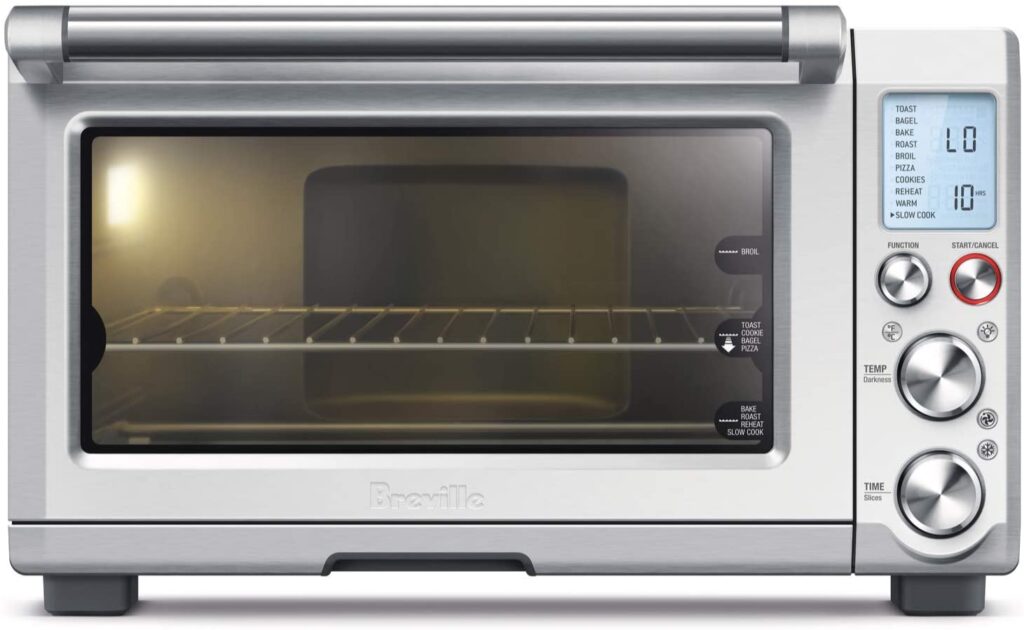
The ideal oven temperature for reheating frozen baked ziti strikes a balance between gently warming the dish through without overcooking the cheese or drying out the pasta. A temperature range of 350°F to 375°F (175°C to 190°C) is widely recommended. At this range, the heat penetrates the frozen center evenly, melts the cheese uniformly, and allows the sauce to regain its luscious consistency. Lower temperatures may extend cooking time excessively and risk uneven heating, while higher temperatures can cause the edges to burn before the middle is adequately warmed. Preheating the oven is crucial, as placing frozen baked ziti directly into a cold oven can result in uneven cooking and a less-than-ideal texture.
Best Cooking Time To Reheat Frozen Baked Ziti In Oven
Reheating time varies depending on whether the ziti is in a shallow or deep casserole dish, as well as whether it is thawed beforehand. For completely frozen baked ziti, the recommended oven time is typically 50 to 70 minutes at 350°F. If the ziti has been thawed in the refrigerator, this time can decrease to 20 to 30 minutes. Covering the dish with aluminum foil helps retain moisture and prevent the cheese from burning during the initial phase of reheating. Removing the foil in the final 10 minutes allows the cheese on top to brown and bubble, restoring that appealing baked appearance and texture.
How To Reheat Frozen Baked Ziti In Oven
- Preheat the oven to 350°F (175°C).
- Prepare the ziti by removing it from any freezer packaging and transferring it to an oven-safe dish if necessary.
- Cover the dish with aluminum foil to trap steam and prevent the top from drying out.
- Bake for 50 to 70 minutes if fully frozen, or 20 to 30 minutes if thawed. Check occasionally by inserting a knife or fork into the center; it should feel hot and steaming.
- Remove the foil in the last 10 minutes to allow the top layer of cheese to bubble and brown.
- Let it rest for 5 minutes before serving to allow residual heat to evenly distribute throughout the dish.
When Not To Reheat Frozen Baked Ziti In The Oven
While the oven is ideal for maintaining texture and flavor, there are situations when it may not be the best method. Avoid reheating in the oven if the dish is extremely small and already thawed-it may overcook or dry out quickly. Similarly, if the baked ziti contains delicate ingredients like fresh herbs or certain seafood additions, prolonged oven heat can compromise flavor or texture. In such cases, using a microwave or stovetop with gentle heat may preserve the integrity of the ingredients.
Reheating Frozen Baked Ziti More Than Once
Repeatedly reheating baked ziti is generally discouraged. Each cycle of freezing, thawing, and reheating can degrade pasta quality, cause the cheese to separate, and alter the texture of the sauce. If reheating more than once is unavoidable, it is best to only reheat what you plan to consume immediately, keeping the rest frozen until needed. Always reheat to an internal temperature of 165°F (74°C) to ensure food safety.
What If I Use A Different Oven Temperature?
Adjusting the oven temperature significantly affects the final result:
- Lower than 350°F: The baked ziti will heat more slowly, which can be beneficial for very deep dishes, but risks leaving the center cold if under-monitored.
- Higher than 375°F: The top may brown too quickly while the interior remains cold, and the pasta can become dry and tough. Extreme temperatures above 400°F are generally not recommended for frozen reheating.
What If I Use A Different Oven Cook Time?
Cooking time is directly tied to both dish depth and oven temperature. Shorter cooking times may leave the center icy, while excessively long baking can dry the pasta and overcook the cheese. Always adjust based on visual cues: the sauce should bubble slightly at the edges, and the internal temperature should reach 165°F. If unsure, check halfway through and add additional time in 5-10 minute increments.
Best Ways To Reheat Frozen Baked Ziti
- Oven (recommended): Ensures even heating and preserves cheese texture.
- Microwave (for single servings): Faster, but may result in uneven heating and slightly rubbery cheese. Cover with a microwave-safe lid or damp paper towel.
- Slow cooker: Works well for thawed ziti; low, slow heat warms the pasta evenly but won’t give a crispy top.
Tips For Optimal Reheating Results
- Cover with foil initially to trap moisture and prevent the top from drying.
- Stir halfway through for extra-large casseroles to distribute heat evenly.
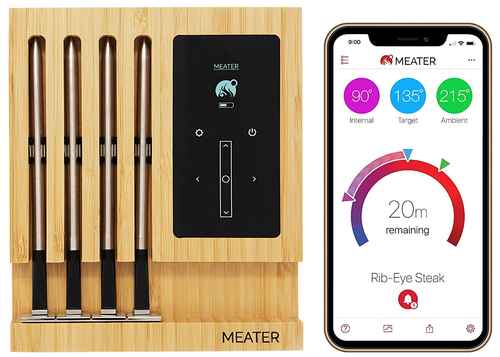
- Check internal temperature with a food thermometer; aim for 165°F.
- Allow to rest after baking; residual heat continues to warm the dish.
- Avoid plastic or non-oven-safe containers to prevent melting or leaching chemicals.
- Add a splash of sauce or water if the pasta seems dry before reheating.
FAQs
How Long Does It Take To Reheat Frozen Baked Ziti In The Oven?
It typically takes about 50-60 minutes to reheat frozen baked ziti in the oven at 375°F (190°C), depending on the portion size and thickness.
What Temperature Should I Set My Oven To When Reheating Frozen Baked Ziti?
Preheat your oven to 375°F (190°C) for the best results when reheating frozen baked ziti.
Should I Cover The Baked Ziti With Foil When Reheating It In The Oven?
Yes, covering the dish with aluminum foil helps to retain moisture and ensures the ziti heats evenly without drying out.
Can I Reheat Frozen Baked Ziti Directly From The Freezer Without Thawing?
Yes, you can reheat frozen baked ziti directly from the freezer. There’s no need to thaw it beforehand; just adjust the reheating time accordingly.
How Can I Tell When The Frozen Baked Ziti Is Fully Reheated?
The ziti is fully reheated when the center reaches a temperature of 165°F (74°C) and the sauce is bubbling around the edges.
Is It Necessary To Stir The Frozen Baked Ziti While Reheating?
It’s not necessary to stir the ziti, but you can gently stir it midway through the reheating process to ensure even heat distribution.
Can I Add Extra Cheese To The Frozen Baked Ziti Before Reheating?
Yes, you can add more cheese to the top of the ziti before reheating. This will melt into the dish as it heats, adding extra flavor and moisture.
What Should I Do If The Baked Ziti Starts To Dry Out While Reheating?
If the baked ziti appears dry during reheating, add a small amount of sauce or a splash of water before covering it with foil to help retain moisture.
Can I Reheat A Large Tray Of Frozen Baked Ziti In One Go?
Yes, you can reheat a large tray of frozen baked ziti in the oven, but it may take a bit longer (around 1 hour or more). Ensure it is heated through to 165°F (74°C).
What Are The Best Practices For Reheating Baked Ziti To Maintain Its Flavor And Texture?
To preserve flavor and texture, cover the baked ziti with foil to prevent it from drying out, reheat at 375°F (190°C), and check periodically for even heating. Adding a little extra sauce or cheese can also help.