
How To Reheat Quesadilla In Oven [FULL GUIDE]
Quesadillas are a beloved culinary creation, celebrated for their golden, crispy tortillas enveloping a melty, flavorful core of cheese, meats, vegetables, and spices. Whether enjoyed fresh from the skillet or as leftovers from a family meal, reheating a quesadilla to restore its original texture and taste can be deceptively tricky. Leftover quesadillas often suffer from soggy tortillas or unevenly melted cheese when reheated improperly, making it essential to understand the best techniques to achieve that perfect balance of crispy exterior and gooey interior. The oven is widely considered one of the most reliable tools for reheating, offering even heat distribution that helps maintain texture while reviving the flavors. This guide dives deep into how to reheat quesadillas in the oven to maximize taste and texture, while exploring temperature, timing, and optimal practices.
Contents
- 1 Best Temperature To Reheat Quesadilla In Oven
- 2 Best Cooking Time To Reheat Quesadilla In Oven
- 3 How To Reheat Quesadilla In Oven
- 4 When Not To Reheat Quesadilla In The Oven
- 5 Reheating Quesadilla More Than Once
- 6 What If I Use A Different Oven Temperature?
- 7 What If I Use A Different Oven Cook Time?
- 8 Best Ways To Reheat Quesadilla
- 9 Tips For Optimal Reheating Results
- 10 FAQs
- 10.1 What Is The Best Temperature To Reheat A Quesadilla In The Oven?
- 10.2 Should I Wrap The Quesadilla In Foil Before Reheating?
- 10.3 How Long Does It Take To Reheat A Quesadilla In The Oven?
- 10.4 Do I Need To Preheat The Oven Before Reheating?
- 10.5 Can I Reheat A Frozen Quesadilla In The Oven?
- 10.6 Should I Flip The Quesadilla While Reheating?
- 10.7 How Can I Keep The Quesadilla From Getting Soggy?
- 10.8 Can I Add Extra Cheese Or Toppings Before Reheating?
- 10.9 Is Reheating A Quesadilla In The Oven Better Than Using A Microwave?
- 10.10 How Do I Know When The Quesadilla Is Fully Reheated?
Best Temperature To Reheat Quesadilla In Oven
The ideal oven temperature for reheating quesadillas is between 350°F and 375°F (175°C-190°C). This temperature range is hot enough to warm the cheese and fillings evenly without scorching the tortilla. Lower temperatures can lead to longer reheating times, which may dry out the quesadilla or make it chewy. Conversely, excessively high temperatures-like 425°F or above-risk burning the tortilla before the cheese and fillings are thoroughly heated.
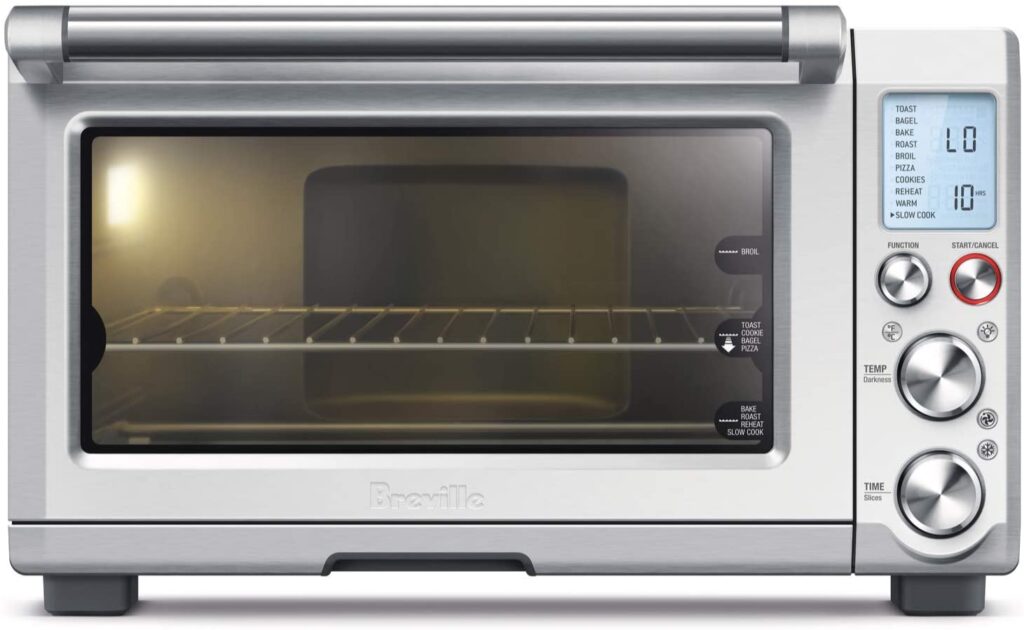
The goal is to achieve a perfect balance: a crispy, golden exterior and a warm, melty interior. Maintaining a moderate temperature allows for gradual heat penetration, giving each ingredient a chance to reach optimal temperature without sacrificing texture. For extra caution, preheating the oven ensures consistent results, as placing the quesadilla in a cold oven can lead to uneven heating.
Best Cooking Time To Reheat Quesadilla In Oven
Reheating time in the oven generally ranges between 8-12 minutes, depending on the thickness of the quesadilla and the filling density. A standard cheese quesadilla often reheats in about 8-10 minutes, while quesadillas stuffed with meats, beans, or vegetables may require closer to 12 minutes.
It’s important to check halfway through and, if necessary, flip the quesadilla for even browning. Leaving it unattended for too long can cause over-crisping or burnt edges. Using a timer can be particularly helpful to prevent overcooking, as ovens vary slightly in heat intensity.
How To Reheat Quesadilla In Oven
- Preheat the Oven: Set your oven to 350-375°F (175-190°C) and allow it to fully preheat.
- Prepare the Quesadilla: Place the quesadilla on a baking sheet. For easier cleanup and added crispiness, you can line the sheet with parchment paper or lightly spray with cooking oil.
- Heat Evenly: Insert the baking sheet into the oven on the middle rack to ensure even airflow around the quesadilla.
- Check and Flip: After 4-5 minutes, carefully flip the quesadilla using a spatula to ensure both sides crisp evenly.
- Finish Reheating: Continue baking for an additional 4-7 minutes until the cheese is melted and the tortilla reaches desired crispness.
- Serve Immediately: Remove the quesadilla from the oven, slice, and enjoy while the filling is warm and gooey.
When Not To Reheat Quesadilla In The Oven
Reheating a quesadilla in the oven may not be ideal in a few situations:
- Extremely thin tortillas: Very thin or fragile tortillas may dry out or burn quickly.
- Quesadillas with high-moisture fillings: Ingredients like fresh tomatoes, salsa, or raw vegetables may release water when heated, making the quesadilla soggy.
- Extremely small portions: Very small or single-serving quesadillas may overcook before the interior warms properly.
In these cases, alternative reheating methods such as a stovetop skillet or microwave (with caution) may be preferable.
Reheating Quesadilla More Than Once
Repeated reheating should generally be avoided. Each reheating cycle degrades both the texture of the tortilla and the quality of the fillings. Cheese may become rubbery, tortillas may lose crispiness, and meats or vegetables may dry out. If reheating more than once is unavoidable, consider using a lower temperature and shorter time to minimize texture loss, or slice the quesadilla into smaller portions to heat more evenly.
What If I Use A Different Oven Temperature?
- Lower than 350°F (175°C): Heating will take longer and may result in a slightly chewy or soggy tortilla. The cheese may not melt evenly.
- Higher than 375°F (190°C): The exterior will crisp too quickly, potentially burning the tortilla before the interior is properly warmed. Cheese may bubble excessively or separate, and fillings could dry out.
Adjusting oven temperature can work if monitored carefully, but the ideal range consistently delivers the best texture and flavor balance.
What If I Use A Different Oven Cook Time?
- Shorter cook time: The quesadilla may remain underheated in the center, leaving fillings cold or unevenly melted.
- Longer cook time: Risk of over-crisping or burning the tortilla increases, while cheese can become tough and oily.
Timing must be tailored to thickness, filling, and oven performance. Using a timer and visual cues (golden-brown tortilla, melted interior) ensures precision.
Best Ways To Reheat Quesadilla
While the oven is a reliable choice, other methods include:
- Skillet or frying pan: Quick reheating on medium heat preserves crispiness without drying out the interior.
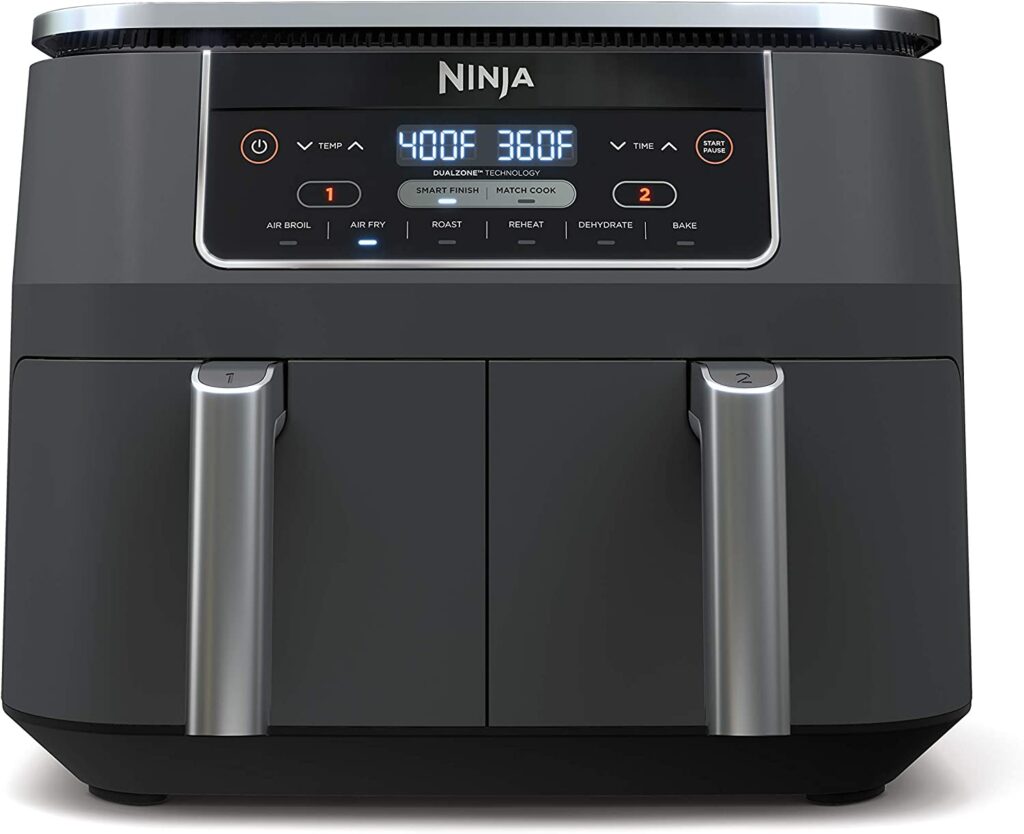
- Air fryer: Offers rapid, even reheating and crisping with minimal oil.
- Microwave: Fast but risks sogginess; best paired with a short skillet finish for texture.
The oven remains preferred for multiple quesadillas or when consistent results are desired.
Tips For Optimal Reheating Results
- Preheat the oven fully to ensure consistent heat.
- Use parchment paper or lightly oil the tray for even crisping.
- Flip the quesadilla halfway for uniform texture.
- Monitor fillings: Cheese should be melted but not separated; other ingredients should be warm, not dry.
- Serve immediately for peak flavor and texture.
FAQs
What Is The Best Temperature To Reheat A Quesadilla In The Oven?
The optimal temperature is 350°F (175°C). This allows the quesadilla to heat evenly without burning the tortilla or drying out the filling.
Should I Wrap The Quesadilla In Foil Before Reheating?
Wrapping in foil can help retain moisture and prevent the quesadilla from drying out. However, for a crispier exterior, you can place it directly on the baking sheet.
How Long Does It Take To Reheat A Quesadilla In The Oven?
Typically, it takes 10-15 minutes. Check after 8-10 minutes to avoid overcooking, especially if the quesadilla is thin or has a delicate filling.
Do I Need To Preheat The Oven Before Reheating?
Yes. Preheating ensures even cooking and prevents the quesadilla from becoming soggy or unevenly heated.
Can I Reheat A Frozen Quesadilla In The Oven?
Yes, but you should increase the reheating time to 15-20 minutes and keep the quesadilla wrapped in foil to prevent the tortilla from burning before the inside is warmed through.
Should I Flip The Quesadilla While Reheating?
Flipping halfway through can help achieve even crisping on both sides. If using foil, flipping is optional depending on your desired texture.
How Can I Keep The Quesadilla From Getting Soggy?
Place it on a wire rack on the baking sheet so heat circulates around the quesadilla, or avoid covering it tightly with foil. Baking directly on a sheet can also help maintain crispiness.
Can I Add Extra Cheese Or Toppings Before Reheating?
Yes, you can sprinkle additional cheese or toppings before reheating. Just ensure they are evenly distributed and don’t add too much moisture, which can make the quesadilla soggy.
Is Reheating A Quesadilla In The Oven Better Than Using A Microwave?
Yes, reheating in the oven preserves crispiness and prevents the tortilla from becoming chewy or soggy, which is a common issue with microwaves.
How Do I Know When The Quesadilla Is Fully Reheated?
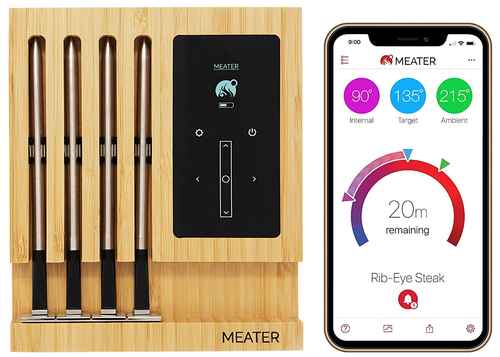
The quesadilla is ready when the cheese inside is melted and the tortilla is golden brown and crispy. You can also check the internal temperature, which should reach around 165°F (74°C).