
How To Reheat Deep Dish Pizza In Oven [FULL GUIDE]
Deep dish pizza, with its buttery crust, thick layers of cheese, rich tomato sauce, and a variety of toppings, is a culinary masterpiece. Unlike thin-crust pizza, its density and richness demand a more careful approach when reheating. Simply popping it into the microwave often leads to a soggy crust and unevenly melted cheese, while the oven allows you to restore its original texture and flavor. Understanding the correct temperature, cooking time, and techniques is essential to fully enjoy leftover deep dish pizza as if it were freshly baked. This guide will delve into the optimal ways to reheat deep dish pizza in the oven, common pitfalls, and expert tips to preserve every indulgent layer.
Contents
- 1 Best Temperature To Reheat Deep Dish Pizza In Oven
- 2 Best Cooking Time To Reheat Deep Dish Pizza In Oven
- 3 How To Reheat Deep Dish Pizza In Oven
- 4 When Not To Reheat Deep Dish Pizza In The Oven
- 5 Reheating Deep Dish Pizza More Than Once
- 6 What If I Use A Different Oven Temperature?
- 7 What If I Use A Different Oven Cook Time?
- 8 Best Ways To Reheat Deep Dish Pizza
- 9 Tips For Optimal Reheating Results
- 10 FAQs
- 10.1 What Is The Best Way To Reheat Deep Dish Pizza In The Oven?
- 10.2 Should I Cover Deep Dish Pizza When Reheating It In The Oven?
- 10.3 How Long Should I Reheat Deep Dish Pizza In The Oven?
- 10.4 Can I Reheat Deep Dish Pizza At A Lower Temperature?
- 10.5 What Should I Do If My Deep Dish Pizza Is Frozen?
- 10.6 Can I Reheat Deep Dish Pizza In The Oven Without Foil?
- 10.7 How Can I Prevent The Crust From Getting Too Soggy When Reheating Deep Dish Pizza?
- 10.8 Can I Reheat Deep Dish Pizza With Toppings Like Sausage Or Vegetables?
- 10.9 Should I Use A Pizza Stone When Reheating Deep Dish Pizza?
- 10.10 Is It Possible To Reheat Deep Dish Pizza Multiple Times In The Oven?
Best Temperature To Reheat Deep Dish Pizza In Oven
Achieving the perfect reheated deep dish pizza requires precision in temperature control. Too high a temperature risks burning the crust while leaving the interior cold; too low, and the pizza will dry out or remain lukewarm in the center. The ideal range is generally 350°F to 375°F (175°C to 190°C).

- 350°F (175°C): This is a safe and controlled temperature for slowly reheating without compromising the crust’s texture. It allows the cheese to melt evenly while gently warming the sauce and toppings.
- 375°F (190°C): A slightly higher temperature is useful if you are short on time but still want a crisp crust. It works well if the pizza is in a single, smaller slice or portion.
It is important to preheat the oven thoroughly before inserting the pizza, ensuring even heat distribution. Skipping this step can lead to uneven reheating and a partially cold interior.
Best Cooking Time To Reheat Deep Dish Pizza In Oven
Cooking time is just as critical as temperature. Deep dish pizza’s thickness requires more patience than standard slices. Typically, 20-25 minutes is sufficient for a whole or large slice, though smaller portions may take 15-18 minutes.
Factors affecting reheating time include:
- Pizza thickness: Extra layers of cheese and toppings require slightly longer heating.
- Oven type: Convection ovens may reduce cooking time slightly due to more even heat circulation.
- Pizza temperature: If the pizza is coming straight from the refrigerator, it will take longer than if it is at room temperature.
A good practice is to check the pizza after 15 minutes, using the cheese’s melt and crust’s crispness as visual cues.
How To Reheat Deep Dish Pizza In Oven
Reheating deep dish pizza in the oven involves several steps to ensure optimal results:
- Preheat your oven to 350°F-375°F (175°C-190°C).
- Prepare a baking sheet or oven-safe dish. A metal baking sheet helps achieve a crisp crust, while a glass or ceramic dish retains heat better for even melting.
- Optional step – cover with foil: Covering the pizza with foil during the first 10-15 minutes can prevent the cheese from over-browning while ensuring thorough heating. Remove the foil for the final 5-10 minutes to crisp the crust.
- Place the pizza in the oven and monitor its progress. Look for bubbling cheese and a slightly golden crust.
- Check the internal temperature: For safety, aim for at least 165°F (74°C) in the center, ensuring the pizza is fully reheated.
When Not To Reheat Deep Dish Pizza In The Oven
While ovens are ideal, there are circumstances where reheating may not be recommended:
- Pizza is spoiled: If it has been left out at room temperature for more than two hours, bacteria may have developed.
- Pizza is overcooked: Reheating an already overcooked pizza can make the crust excessively hard and the cheese rubbery.
- Excessively soggy pizza: If the pizza has been stored improperly and the crust has absorbed too much moisture, reheating may not restore the original texture.
In such cases, alternative uses like transforming it into a pizza casserole or frittata might be more successful than direct reheating.
Reheating Deep Dish Pizza More Than Once
Repeated reheating is generally discouraged. Each cycle causes moisture loss, a tougher crust, and potential uneven warming. If you must reheat more than once:
- Cut into smaller portions: Smaller slices heat more evenly and reduce reheating time.
- Use lower temperatures: Slow reheating at 300°F-325°F (150°C-160°C) minimizes drying out.
- Monitor closely: Remove as soon as the cheese is melted and the crust is warm.
Multiple reheatings will always result in some loss of texture and flavor, so portioning pizza wisely after the first serving is key.
What If I Use A Different Oven Temperature?
Altering the oven temperature can significantly impact your pizza:
- Higher temperatures (>400°F / 200°C): Quickens the process but risks burning the crust before the center is heated.
- Lower temperatures (<325°F / 160°C): Preserves moisture but may leave the pizza lukewarm after prolonged heating, requiring more patience.
Adjusting temperature should be paired with careful monitoring of cheese melt and crust crispness to avoid suboptimal results.
What If I Use A Different Oven Cook Time?
Extending or shortening cook time can have noticeable effects:
- Shorter time: The cheese may remain unmelted, and the center could be cold, leaving an unpleasant contrast with the crispy edges.
- Longer time: Overcooking leads to a dry crust and tough texture, with potential browning or burning of the cheese and toppings.
The key is balancing temperature and time, using visual and tactile cues to know when the pizza is perfectly reheated.
Best Ways To Reheat Deep Dish Pizza
While the oven is the gold standard, there are other effective methods:
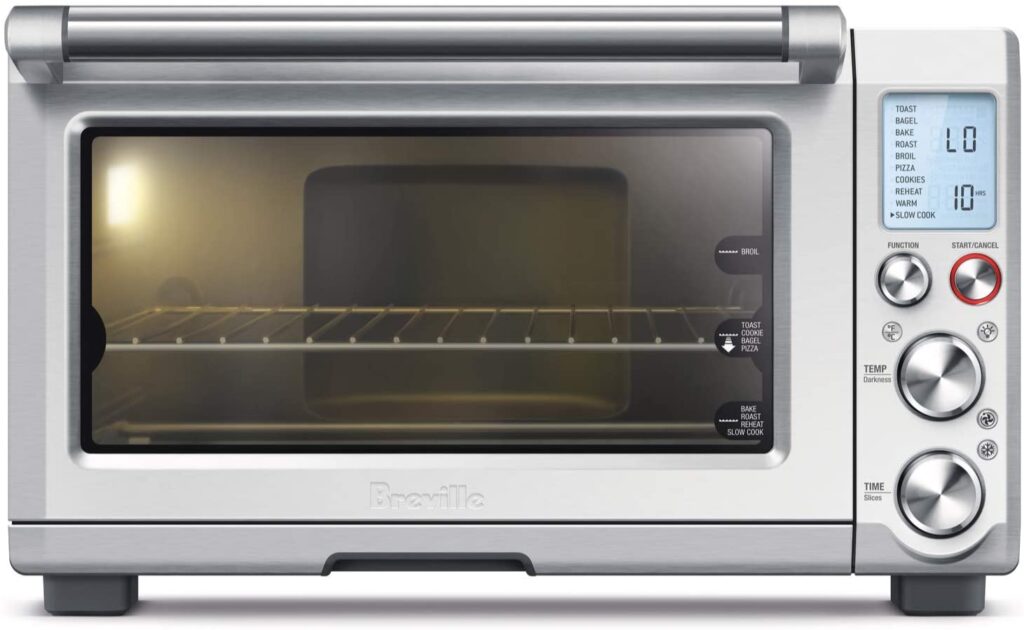
- Toaster oven: Great for smaller portions, mimicking conventional oven results with less energy use.
- Skillet method: Heat on low in a nonstick pan with a lid, allowing the crust to crisp while the cheese melts through steam.
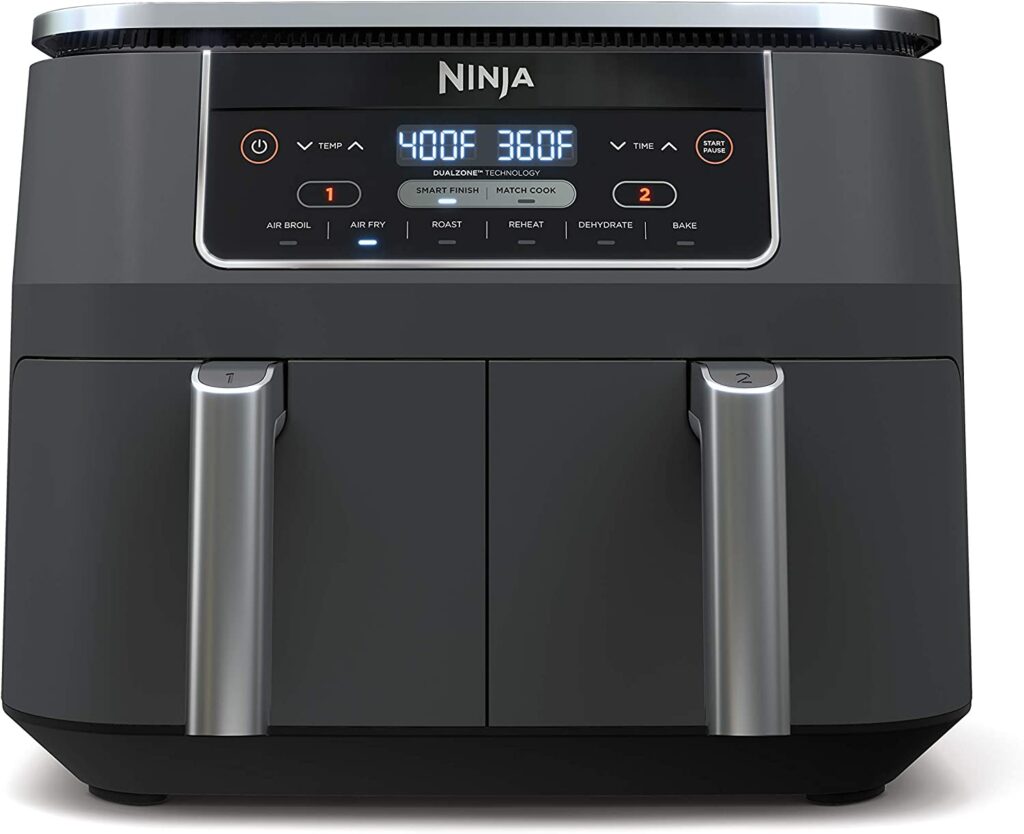
- Air fryer: Works well for individual slices, providing a crisp crust and evenly melted cheese in less time.
Avoid microwaving unless in a true emergency, as it often yields a soggy, rubbery texture.
Tips For Optimal Reheating Results
- Let it rest: Remove pizza from the fridge and let it sit for 10-15 minutes to reduce thermal shock.
- Use a preheated baking sheet or pizza stone: Helps crisp the bottom crust.
- Avoid stacking slices: Heat slices individually to prevent uneven cooking.
- Check frequently: Oven heat varies; monitor to avoid burning.
- Use foil strategically: Cover initially, uncover later for a crisp finish.
FAQs
What Is The Best Way To Reheat Deep Dish Pizza In The Oven?
The best way to reheat deep dish pizza in the oven is to preheat it to 375°F (190°C). Place the pizza on a baking sheet and cover it loosely with aluminum foil to prevent the crust from burning. Bake for about 10-15 minutes or until the cheese is bubbly and the crust is heated through.
Should I Cover Deep Dish Pizza When Reheating It In The Oven?
Yes, covering the pizza with aluminum foil is recommended. This helps retain moisture and prevents the crust from becoming too dry or burnt during reheating.
How Long Should I Reheat Deep Dish Pizza In The Oven?
Reheat deep dish pizza in the oven for 10-15 minutes, depending on the size and thickness of the pizza. Check it periodically to ensure it’s heated evenly.
Can I Reheat Deep Dish Pizza At A Lower Temperature?
While you can reheat deep dish pizza at a lower temperature (around 300°F or 150°C), it may take longer to heat thoroughly. The higher temperature (375°F) helps to crisp the crust and melt the cheese faster.
What Should I Do If My Deep Dish Pizza Is Frozen?
If your deep dish pizza is frozen, it’s best to thaw it overnight in the refrigerator. If you’re in a rush, you can reheat it directly from frozen by increasing the baking time to 20-25 minutes at 375°F, but the crust may be softer.
Can I Reheat Deep Dish Pizza In The Oven Without Foil?
You can reheat deep dish pizza without foil, but the crust may become drier and more likely to burn. Using foil ensures the pizza stays moist and the cheese doesn’t overcook.
How Can I Prevent The Crust From Getting Too Soggy When Reheating Deep Dish Pizza?
To prevent a soggy crust, make sure to reheat the pizza on a baking sheet with a wire rack underneath, if possible. This allows the heat to circulate around the pizza, preventing moisture from accumulating under the crust.
Can I Reheat Deep Dish Pizza With Toppings Like Sausage Or Vegetables?
Yes, you can reheat deep dish pizza with toppings like sausage or vegetables. Just make sure the toppings are evenly spread out, and check to ensure that the pizza is heated thoroughly.
Should I Use A Pizza Stone When Reheating Deep Dish Pizza?
Using a pizza stone can help achieve a crispier crust. If you have one, preheat the stone in the oven and place the pizza on it while reheating to enhance the texture of the crust.
Is It Possible To Reheat Deep Dish Pizza Multiple Times In The Oven?
While it’s possible to reheat deep dish pizza multiple times, it’s best to limit reheating to preserve the quality. Reheating too many times may result in a drier pizza with a less desirable texture.