
How To Reheat Breakfast Sandwich In Oven [FULL GUIDE]
Breakfast sandwiches are a beloved morning staple, combining the comforting flavors of eggs, cheese, meats, and bread into one convenient handheld meal. Whether you’ve prepared them in advance, picked one up on your way to work, or are enjoying leftovers, a reheated breakfast sandwich can feel just as satisfying as when it was first made-if done correctly. The key to preserving texture, flavor, and warmth lies in reheating it properly. Using an oven is one of the most reliable methods, as it evenly warms the sandwich without turning the bread soggy or the fillings rubbery-a common problem when using a microwave. This guide delves into the optimal temperatures, cooking times, and techniques to ensure your breakfast sandwich tastes fresh and delicious every time.
Contents
- 1 Best Temperature To Reheat Breakfast Sandwich In Oven
- 2 Best Cooking Time To Reheat Breakfast Sandwich In Oven
- 3 How To Reheat Breakfast Sandwich In Oven
- 4 When Not To Reheat Breakfast Sandwich In The Oven
- 5 Reheating Breakfast Sandwich More Than Once
- 6 What If I Use A Different Oven Temperature?
- 7 What If I Use A Different Oven Cook Time?
- 8 Best Ways To Reheat Breakfast Sandwich
- 9 Tips For Optimal Reheating Results
- 10 FAQs
- 10.1 What Is The Best Way To Reheat A Breakfast Sandwich In The Oven?
- 10.2 Should I Reheat A Breakfast Sandwich Wrapped In Foil Or Unwrapped?
- 10.3 How Long Does It Take To Reheat A Breakfast Sandwich In The Oven?
- 10.4 Can I Reheat A Frozen Breakfast Sandwich In The Oven?
- 10.5 Should I Remove Any Ingredients Before Reheating A Breakfast Sandwich?
- 10.6 How Can I Prevent My Breakfast Sandwich From Becoming Soggy When Reheating In The Oven?
- 10.7 What Temperature Should The Oven Be Set To For Reheating A Breakfast Sandwich?
- 10.8 Can I Use A Toaster Oven To Reheat A Breakfast Sandwich?
- 10.9 How Do I Ensure The Egg And Meat Inside Are Fully Heated?
- 10.10 Can I Reheat Multiple Breakfast Sandwiches At The Same Time In The Oven?
Best Temperature To Reheat Breakfast Sandwich In Oven
Achieving the perfect reheated breakfast sandwich begins with controlling the oven temperature. The ideal temperature range is 325°F to 350°F (163°C to 177°C). This moderate heat ensures the sandwich warms evenly, melting cheese gradually and preventing overcooking the eggs or crisping the bread too much.
Temperatures above 375°F may toast the bread too quickly, leaving the interior cold, while lower temperatures may extend reheating time unnecessarily and risk uneven warming. The goal is a sandwich that is warm throughout, with slightly crisp bread edges and gooey, melty fillings that resemble a fresh, made-to-order breakfast.
Best Cooking Time To Reheat Breakfast Sandwich In Oven
Time is just as important as temperature. Generally, a breakfast sandwich reheats best in 10-15 minutes, depending on the size and thickness of the sandwich and whether it contains cold ingredients like lettuce or tomato.
- For a standard sandwich with bread, eggs, and cheese, 12 minutes at 350°F works well.
- For thicker sandwiches with multiple layers of meat, eggs, and cheese, you may need 14-15 minutes, checking periodically to avoid overcooking.
A good practice is to check the sandwich at the 10-minute mark. If the cheese is fully melted and the center is warm, you’re done.
How To Reheat Breakfast Sandwich In Oven
- Preheat the oven to 325°F-350°F. A properly preheated oven ensures even heating from the start.
- Wrap the sandwich loosely in aluminum foil if you want to retain moisture and prevent the bread from becoming too hard. For a crispier exterior, leave it unwrapped.
- Place the sandwich on a baking sheet, ideally lined with parchment paper for easy cleanup.
- Reheat in the oven for 10-15 minutes, rotating halfway through if your oven has hot spots.
- Check doneness by gently pressing the center to feel warmth and looking for melted cheese.
Optional: After reheating, broil for 1-2 minutes if you want a slightly golden, crisp top.
When Not To Reheat Breakfast Sandwich In The Oven
While reheating in the oven is effective, some situations make it inadvisable:
- Sandwiches with delicate greens or tomatoes may wilt or become watery. Consider removing these toppings before reheating and adding them fresh afterward.
- Extremely dry or stale bread may become harder or brittle in the oven. A microwave with a damp paper towel may be gentler.
- Frozen sandwiches not thawed properly may heat unevenly, leaving cold spots. Thaw in the fridge or at room temperature before oven reheating.
Reheating Breakfast Sandwich More Than Once
Repeated reheating is generally discouraged. Each reheating cycle dries out the bread and overcooks the eggs, leading to a less enjoyable texture. If multiple reheatings are necessary:
- Keep the sandwich tightly wrapped in foil.
- Reheat at a slightly lower temperature (300°F-325°F) to minimize drying out.
- Only reheat until the center is warm, not piping hot, to preserve texture.
What If I Use A Different Oven Temperature?
Using temperatures outside the recommended 325°F-350°F range changes results significantly:
- Lower temperatures (275°F-300°F): The sandwich will heat more slowly, risking uneven warming and longer overall cook time. Cheese may not fully melt.
- Higher temperatures (375°F-400°F): The bread will brown quickly, potentially burn, while the center may remain cold. Proteins like eggs or bacon can become rubbery or dry.
Adjusting temperature requires balancing time to avoid compromising texture or flavor.
What If I Use A Different Oven Cook Time?
Cook time is flexible but closely tied to sandwich thickness and fillings:
- Shorter times may leave the interior cold, especially for dense sandwiches.
- Longer times risk drying out the bread and overcooking eggs or meats.
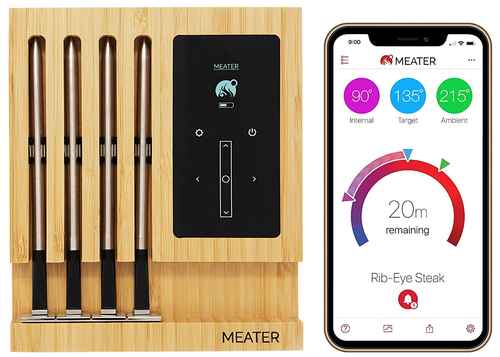
Always monitor and adjust based on the sandwich size, and consider checking at the halfway mark. Using a food thermometer can help ensure the interior reaches a safe and warm temperature (~165°F or 74°C for reheated eggs or meat).
Best Ways To Reheat Breakfast Sandwich
While the oven is excellent, there are alternative methods:
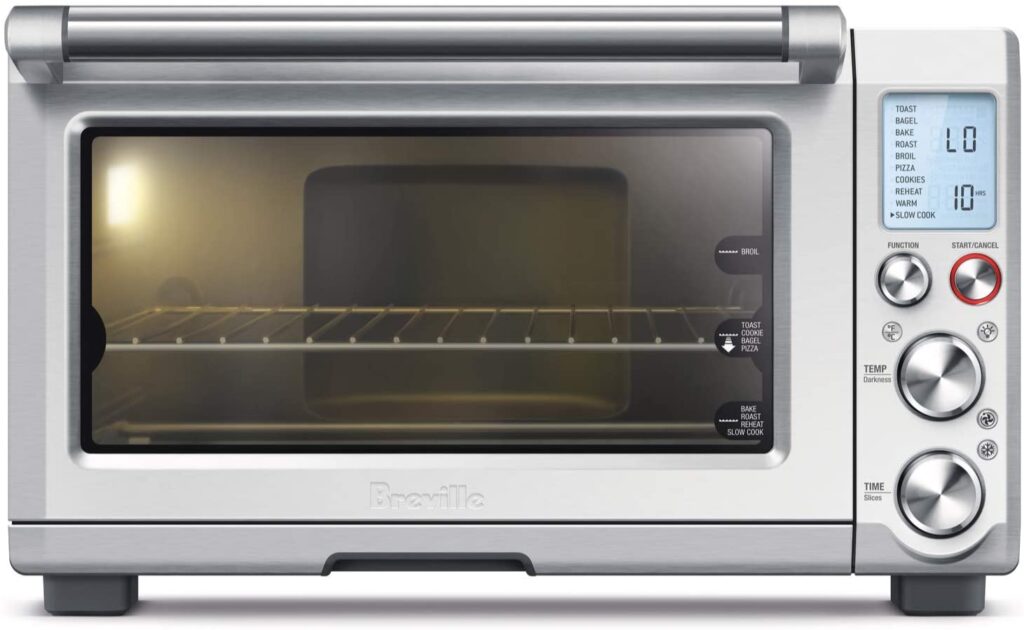
- Toaster oven – Similar results to a conventional oven, ideal for smaller sandwiches.
- Microwave with paper towel – Quick but risks soggy bread; wrap lightly to retain moisture.
- Skillet – Medium-low heat with a lid melts cheese and warms fillings, while butter or oil crisps the bread.
Each method balances speed, texture, and convenience differently.
Tips For Optimal Reheating Results
- Remove cold toppings like lettuce or tomato before reheating.
- Wrap in foil for moisture retention, or leave unwrapped for crispiness.
- Check halfway to rotate or adjust positioning.
- Use a thermometer to ensure fillings are adequately heated without overcooking.
- Add fresh garnish after reheating for added flavor and texture.
FAQs
What Is The Best Way To Reheat A Breakfast Sandwich In The Oven?
The best way is to preheat the oven to 350°F (175°C), wrap the sandwich in aluminum foil to prevent it from drying out, and heat for 10-15 minutes until warmed through. For a crispier texture, unwrap the sandwich for the last 2-3 minutes of heating.
Should I Reheat A Breakfast Sandwich Wrapped In Foil Or Unwrapped?
Wrapping in foil helps retain moisture and prevents the bread and fillings from drying. If you prefer a crispier exterior, you can remove the foil during the last few minutes of reheating.
How Long Does It Take To Reheat A Breakfast Sandwich In The Oven?
It typically takes 10-15 minutes at 350°F (175°C). The exact time may vary depending on the sandwich size, thickness, and whether it is frozen or refrigerated.
Can I Reheat A Frozen Breakfast Sandwich In The Oven?
Yes. Preheat the oven to 350°F (175°C), wrap the frozen sandwich in foil, and heat for 20-25 minutes. Check that the internal temperature reaches 165°F (74°C) to ensure it is fully heated.
Should I Remove Any Ingredients Before Reheating A Breakfast Sandwich?
It is usually unnecessary to remove ingredients. However, delicate items like fresh lettuce or tomato may become soggy or wilted in the oven, so consider adding them after reheating.
How Can I Prevent My Breakfast Sandwich From Becoming Soggy When Reheating In The Oven?
Wrap the sandwich loosely in foil to trap steam without making it soggy, avoid reheating ingredients with high water content directly, and consider toasting the bread slightly for a crisp texture.
What Temperature Should The Oven Be Set To For Reheating A Breakfast Sandwich?
Set the oven to 350°F (175°C) for optimal results. This temperature is high enough to warm the sandwich thoroughly without overcooking or drying it out.
Can I Use A Toaster Oven To Reheat A Breakfast Sandwich?
Yes, a toaster oven works well. Use the same temperature of 350°F (175°C), wrap in foil if needed, and heat for 10-15 minutes. Monitor closely to prevent burning.
How Do I Ensure The Egg And Meat Inside Are Fully Heated?
Check the internal temperature with a food thermometer. Eggs and meat should reach 165°F (74°C). Reheat longer if needed, keeping the sandwich wrapped in foil to retain moisture.
Can I Reheat Multiple Breakfast Sandwiches At The Same Time In The Oven?
Yes, but make sure to space them evenly on a baking sheet to allow hot air circulation. Increase the heating time slightly if they are thick or frozen, and check each sandwich for thorough warming.