
How To Reheat Chicken Thighs In Oven [FULL GUIDE]
Few leftovers are as satisfying as well-cooked chicken thighs. Their higher fat content compared to chicken breasts makes them naturally juicy, flavorful, and more forgiving during reheating. But even the best thighs can turn rubbery, dry, or unevenly heated if reheated carelessly. The oven, when used correctly, is one of the most reliable ways to bring chicken thighs back to life while preserving their texture and flavor.
Reheating is not just about warming food – it’s about restoring moisture, maintaining food safety, and avoiding overcooking. The right balance of temperature, timing, and technique can make yesterday’s chicken taste nearly as good as when it first came out of the oven.
Contents
- 1 Best Temperature To Reheat Chicken Thighs In Oven
- 2 Best Cooking Time To Reheat Chicken Thighs In Oven
- 3 How To Reheat Chicken Thighs In Oven
- 4 When Not To Reheat Chicken Thighs In The Oven
- 5 Reheating Chicken Thighs More Than Once
- 6 What If I Use A Different Oven Temperature?
- 7 What If I Use A Different Oven Cook Time?
- 8 Best Ways To Reheat Chicken Thighs
- 9 Tips For Optimal Reheating Results
- 10 FAQs
- 10.1 What Is The Best Temperature To Reheat Chicken Thighs In The Oven?
- 10.2 How Long Does It Take To Reheat Chicken Thighs In The Oven?
- 10.3 Should I Cover The Chicken Thighs When Reheating In The Oven?
- 10.4 Can I Reheat Frozen Chicken Thighs In The Oven?
- 10.5 How Do I Ensure The Chicken Thighs Remain Juicy When Reheating?
- 10.6 Can I Reheat Chicken Thighs In The Oven Without Drying Them Out?
- 10.7 Should I Reheat Bone-in Or Boneless Chicken Thighs Differently?
- 10.8 How Can I Reheat Crispy Chicken Thighs In The Oven?
- 10.9 What Is The Best Way To Check If The Chicken Thighs Are Heated Through?
- 10.10 Is It Safe To Reheat Chicken Thighs Multiple Times?
Best Temperature To Reheat Chicken Thighs In Oven
The ideal oven temperature for reheating chicken thighs is 325°F (163°C).
This moderate temperature is the sweet spot. It’s hot enough to reheat the chicken safely and thoroughly, yet gentle enough to prevent the outside from drying out before the inside is warm.
Here’s why 325°F works so well:
- Prevents moisture loss: High heat causes rapid evaporation, which dries out the meat.
- Allows even reheating: Slower warming gives heat time to move from the surface into the center.
- Protects texture: Chicken thighs have connective tissue and fat that benefit from gradual warming rather than aggressive heat.
While higher temperatures like 350°F or 375°F can work, they increase the risk of tough edges and a dry surface, especially if the thighs are already fully cooked.
Best Cooking Time To Reheat Chicken Thighs In Oven
Reheating time depends on size, bone-in vs. boneless, and whether the thighs are refrigerated or at room temperature.
At 325°F, use these general time ranges:
- Boneless thighs: 15-20 minutes
- Bone-in thighs: 20-30 minutes
The most reliable indicator is internal temperature. The chicken should reach 165°F (74°C) at the thickest part. This ensures both safety and proper reheating.
If the thighs are very large or stacked tightly in a dish, expect the time to be on the longer end. If they are smaller and spaced apart, they may be ready sooner.
How To Reheat Chicken Thighs In Oven
A careful method makes all the difference.
Preheat The Oven
Set your oven to 325°F and allow it to fully preheat. Starting in a hot oven ensures even reheating from the start.
Prepare The Chicken
Remove the chicken thighs from the refrigerator and let them sit at room temperature for about 10-15 minutes. This takes the chill off and promotes more even heating.
Add Moisture
Place the thighs in a baking dish and add a small amount of liquid:
- Chicken broth
- Water
- Pan drippings or sauce
Just a few tablespoons in the bottom of the dish are enough. This creates steam, which helps keep the meat moist.
Cover The Dish
Cover tightly with aluminum foil. This traps steam and prevents the surface from drying out.
Reheat
Place the dish in the oven and heat according to the time guidelines. Avoid opening the oven repeatedly, as this releases heat and steam.
Check Temperature
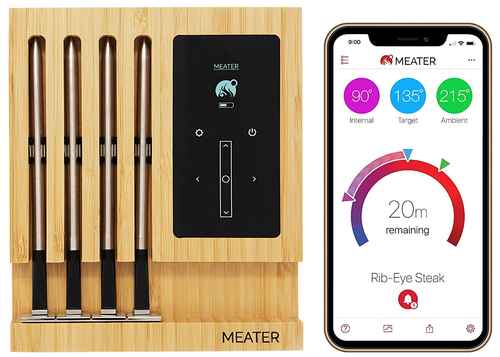
Use a meat thermometer to ensure the internal temperature reaches 165°F. Insert it into the thickest part without touching bone.
Optional: Crisp The Skin
If the thighs have skin and you want it crispy, remove the foil for the last 3-5 minutes and raise the oven to 400°F briefly. Watch closely to avoid overcooking.
When Not To Reheat Chicken Thighs In The Oven
Sometimes reheating is not worth the risk.
Do not reheat chicken thighs if:
- They have been left at room temperature for more than 2 hours (or 1 hour in hot environments).
- They have an off smell, slimy texture, or unusual discoloration.
- They were stored in the refrigerator for more than 3-4 days.
Reheating does not make spoiled food safe. When in doubt, it is safer to discard.
Reheating Chicken Thighs More Than Once
Repeated reheating is not recommended.
Each cooling and reheating cycle:
- Increases the risk of bacterial growth
- Further dries out the meat
- Degrades flavor and texture
If you anticipate leftovers, divide chicken into smaller portions before storing. Reheat only what you plan to eat. Reheating the same chicken more than once significantly reduces quality and may compromise safety.
What If I Use A Different Oven Temperature?
Higher Temperature (350-400°F)
- Pros: Faster reheating, better chance of crisping skin
- Cons: Greater moisture loss, risk of overcooked exterior
If using a higher temperature, reduce cooking time and monitor closely. Keep the chicken covered for most of the reheating period.
Lower Temperature (275-300°F)
- Pros: Extremely gentle, excellent moisture retention
- Cons: Longer cooking time, less effective for crisping
This range is good if you’re not in a hurry and want very tender results.
What If I Use A Different Oven Cook Time?
Time adjustments depend on thickness and starting temperature.
- Too short: The center may remain cold, which is both unappetizing and unsafe.
- Too long: The meat can become stringy and dry, even at moderate heat.
If unsure, rely on a thermometer rather than guessing. Visual cues like steam or sizzling are not reliable indicators of internal temperature.
Best Ways To Reheat Chicken Thighs
While the oven is excellent, other methods exist:
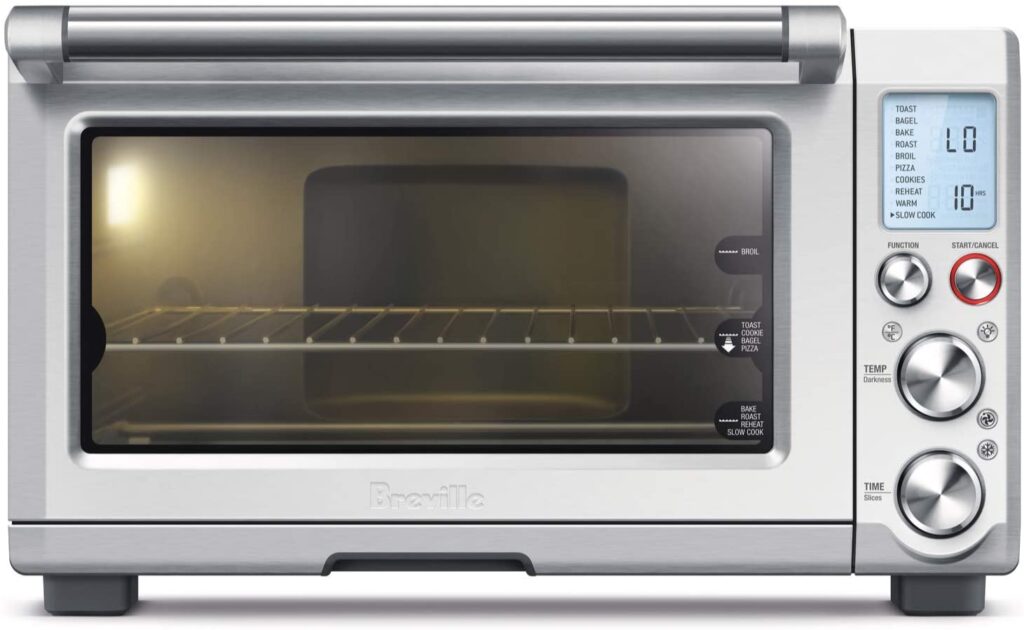
- Oven: Best for overall texture and moisture balance
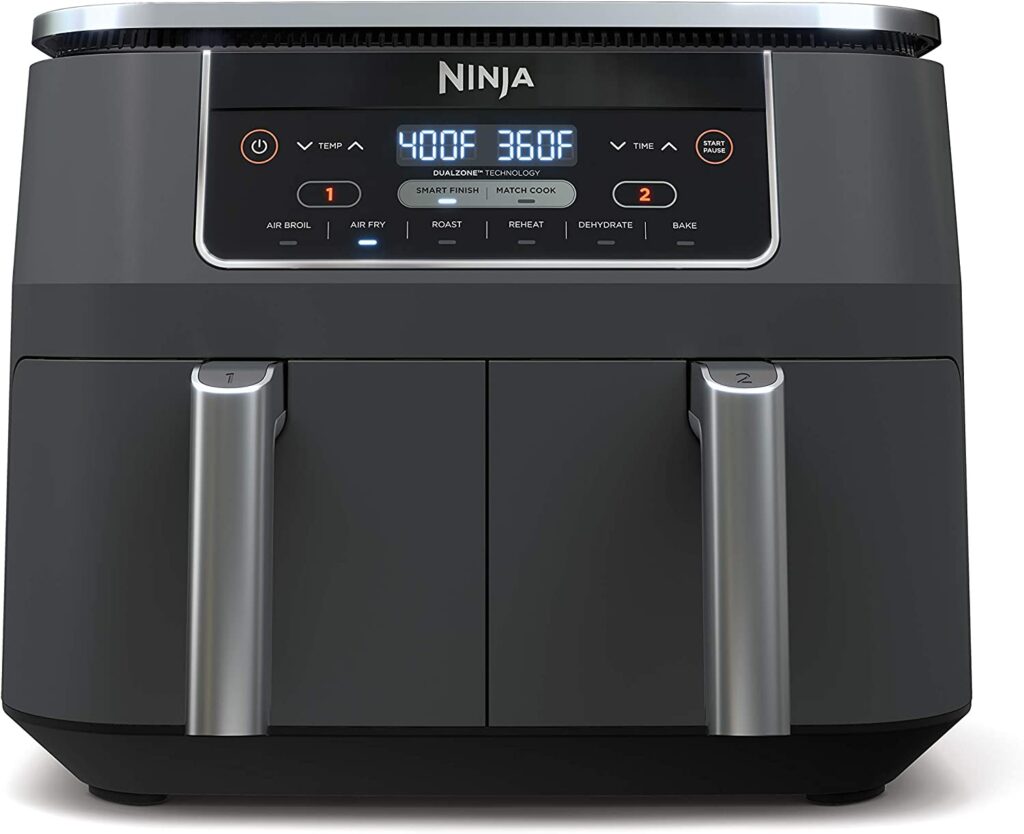
- Air fryer: Great for crispy skin, but can dry out meat quickly
- Stovetop (covered pan with liquid): Good for saucy or shredded chicken
- Microwave: Fast but often leads to uneven heating and rubbery texture
For whole thighs, especially bone-in or skin-on, the oven remains the most consistent and forgiving method.
Tips For Optimal Reheating Results
- Store properly: Refrigerate in airtight containers within 2 hours of cooking.
- Keep skin separate (optional): Reheat meat covered, then crisp skin separately at high heat.
- Use broth instead of water: Adds flavor while maintaining moisture.
- Avoid overcrowding: Space allows heat to circulate evenly.
- Let rest briefly after reheating: A 3-5 minute rest redistributes juices.
Small details like covering the dish and adding moisture make a noticeable difference in final quality.
FAQs
What Is The Best Temperature To Reheat Chicken Thighs In The Oven?
The best temperature to reheat chicken thighs in the oven is 375°F (190°C). This allows the chicken to heat through evenly without drying out the meat.
How Long Does It Take To Reheat Chicken Thighs In The Oven?
It usually takes about 20 to 25 minutes to reheat chicken thighs in the oven at 375°F, depending on their size and whether they are bone-in or boneless.
Should I Cover The Chicken Thighs When Reheating In The Oven?
Yes, it is recommended to cover chicken thighs with aluminum foil when reheating in the oven. This helps retain moisture and prevents the skin from drying out.
Can I Reheat Frozen Chicken Thighs In The Oven?
Yes, you can reheat frozen chicken thighs in the oven. However, they will take longer, typically around 30 to 40 minutes. It is best to let the chicken thaw in the refrigerator beforehand for more even heating.
How Do I Ensure The Chicken Thighs Remain Juicy When Reheating?
To keep the chicken thighs juicy, cover them with foil, add a little bit of broth or water to the baking dish, and reheat at a moderate temperature like 375°F. This prevents the meat from drying out while reheating.
Can I Reheat Chicken Thighs In The Oven Without Drying Them Out?
Yes, to avoid drying out the chicken, it is important to reheat it slowly at a moderate temperature, cover the thighs with foil, and consider adding a moisture source like chicken broth or a splash of water.
Should I Reheat Bone-in Or Boneless Chicken Thighs Differently?
Bone-in chicken thighs generally take a bit longer to reheat than boneless thighs due to the bone’s insulation. For bone-in thighs, expect to add an additional 5-10 minutes to the reheating time.
How Can I Reheat Crispy Chicken Thighs In The Oven?
To maintain the crispy skin on chicken thighs, reheat them uncovered in the oven at 375°F. Placing them on a wire rack over a baking sheet helps maintain crispiness by allowing air circulation.
What Is The Best Way To Check If The Chicken Thighs Are Heated Through?
The best way to check if chicken thighs are properly reheated is by using a meat thermometer. The internal temperature should reach at least 165°F (74°C) to ensure they are safe to eat.
Is It Safe To Reheat Chicken Thighs Multiple Times?
It is generally not recommended to reheat chicken thighs multiple times, as each reheating cycle can degrade the quality and increase the risk of bacterial growth. If you need to reheat leftovers, only do so once.