
How To Reheat Frozen Stuffed Peppers In Oven [FULL GUIDE]
Frozen stuffed peppers are a convenient and delicious meal option, combining the vibrant flavors of bell peppers with savory fillings like rice, meat, beans, and cheeses. While freezing preserves their taste and texture, reheating them properly is key to maintaining their original quality. Using an oven to reheat frozen stuffed peppers is widely considered one of the best methods because it ensures even warming, prevents sogginess, and allows the flavors to meld once more. However, the process requires careful attention to temperature, timing, and technique to avoid overcooking or drying out your meal. This guide explores the nuances of reheating frozen stuffed peppers in the oven to deliver a satisfying, flavorful result every time.
Contents
- 1 Best Temperature To Reheat Frozen Stuffed Peppers In Oven
- 2 Best Cooking Time To Reheat Frozen Stuffed Peppers In Oven
- 3 How To Reheat Frozen Stuffed Peppers In Oven
- 4 When Not To Reheat Frozen Stuffed Peppers In The Oven
- 5 Reheating Frozen Stuffed Peppers More Than Once
- 6 What If I Use A Different Oven Temperature?
- 7 What If I Use A Different Oven Cook Time?
- 8 Best Ways To Reheat Frozen Stuffed Peppers
- 9 Tips For Optimal Reheating Results
- 10 FAQs
- 10.1 Can You Reheat Frozen Stuffed Peppers In The Oven Directly Without Thawing?
- 10.2 Should I Cover Frozen Stuffed Peppers With Foil When Reheating?
- 10.3 What Is The Best Oven Temperature To Reheat Frozen Stuffed Peppers?
- 10.4 How Long Does It Take To Reheat Frozen Stuffed Peppers In The Oven?
- 10.5 Can I Add Extra Sauce Or Water When Reheating Frozen Stuffed Peppers?
- 10.6 Is It Necessary To Thaw Frozen Stuffed Peppers Before Reheating In The Oven?
- 10.7 How Can I Prevent The Filling From Becoming Dry When Reheating Frozen Stuffed Peppers?
- 10.8 Can I Reheat Stuffed Peppers That Contain Rice Or Pasta In The Oven From Frozen?
- 10.9 Should I Check The Internal Temperature Of Frozen Stuffed Peppers When Reheating?
- 10.10 Can I Reheat Multiple Frozen Stuffed Peppers At Once In The Oven?
Best Temperature To Reheat Frozen Stuffed Peppers In Oven
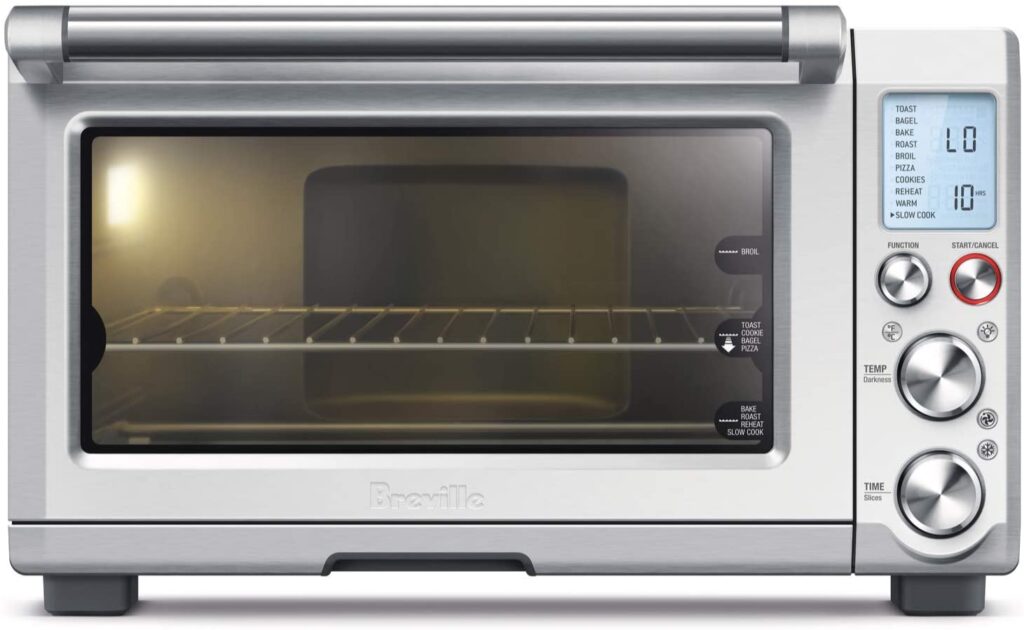
The optimal oven temperature for reheating frozen stuffed peppers balances thorough warming with moisture retention. Generally, preheating your oven to 350°F (175°C) is recommended. This moderate temperature allows the peppers and their filling to heat evenly without causing the exterior pepper skin to shrivel or burn. If you increase the temperature too much, the outer peppers may dry out before the interior is properly heated, resulting in a less enjoyable texture. Conversely, heating at too low a temperature can prolong cooking time, potentially leading to uneven heating and soggy peppers. Maintaining a steady, moderate heat ensures that the peppers are warmed through while the fillings retain their texture and flavor.
Best Cooking Time To Reheat Frozen Stuffed Peppers In Oven
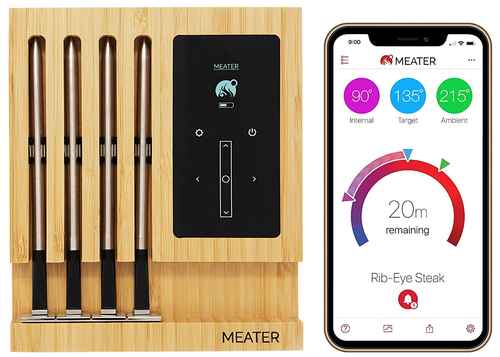
The time required to reheat frozen stuffed peppers in the oven typically ranges from 45 to 60 minutes, depending on the size of the peppers and the density of the filling. Smaller peppers or peppers with lighter fillings may only need about 35-40 minutes, while larger or densely packed peppers may require closer to an hour. It’s crucial to check the internal temperature of the filling with a food thermometer; it should reach 165°F (74°C) for safe consumption. Covering the peppers with aluminum foil for the first 30-40 minutes helps retain moisture, preventing the outer skin from drying out while the filling warms evenly.
How To Reheat Frozen Stuffed Peppers In Oven
- Preheat the oven to 350°F (175°C).
- Prepare the baking dish by lightly greasing it with oil or lining it with parchment paper. This prevents sticking and makes cleanup easier.
- Arrange the frozen stuffed peppers in a single layer, leaving space between each pepper to allow hot air to circulate.
- Cover the dish with aluminum foil to trap steam, keeping the peppers moist during reheating.
- Bake for 45-60 minutes, checking occasionally after 40 minutes.
- Check internal temperature using a food thermometer. Once it reaches 165°F (74°C), the peppers are safe and ready to serve.
- Optional: Remove the foil in the last 10 minutes for a lightly roasted top.
This method ensures the peppers are evenly reheated and the fillings remain flavorful and moist.
When Not To Reheat Frozen Stuffed Peppers In The Oven
Reheating frozen stuffed peppers in the oven may not be ideal in the following situations:
- Microwave-specific preparation: If the peppers were originally prepared for microwave cooking, the oven may overcook them.
- Time constraints: If you are short on time, oven reheating may take longer than desired.
- Already reheated once: Reheating a second time in the oven can further dry out the peppers and reduce flavor quality.
- Delicate fillings: Some fillings, like seafood-based or creamy varieties, may overcook and separate in the oven.
In these scenarios, alternative reheating methods, such as steaming or microwaving, may preserve texture better.
Reheating Frozen Stuffed Peppers More Than Once
It’s strongly advised not to reheat frozen stuffed peppers more than once. Each reheating cycle increases the risk of bacterial growth if the peppers are not cooled and stored correctly between reheatings. Additionally, repeated heating can make the peppers mushy, dry out the filling, and significantly reduce flavor and nutritional value. If you anticipate leftovers, consider reheating only the portion you plan to eat immediately and leaving the rest frozen or refrigerated for later use.
What If I Use A Different Oven Temperature?
Using a temperature higher than 350°F (175°C) will shorten cooking time but can cause the peppers to brown too quickly, crack, or dry out. On the other hand, a lower temperature may preserve moisture better but will extend reheating time, potentially resulting in uneven warming. If adjusting the temperature, it’s essential to monitor the internal temperature of the filling carefully and cover the peppers with foil to prevent drying.
What If I Use A Different Oven Cook Time?
Altering the cooking time affects the texture and safety of the peppers. Shorter times may leave the center cold, especially in thick fillings, while longer times can overcook the peppers, causing them to collapse or dry out. Always confirm the internal temperature reaches 165°F (74°C) before serving, regardless of cooking time adjustments.
Best Ways To Reheat Frozen Stuffed Peppers
- Oven (recommended): Ensures even heating and preserves texture.
- Microwave: Faster but may result in a softer, slightly soggy pepper. Use microwave-safe dishes and cover with a lid or wrap to retain moisture.
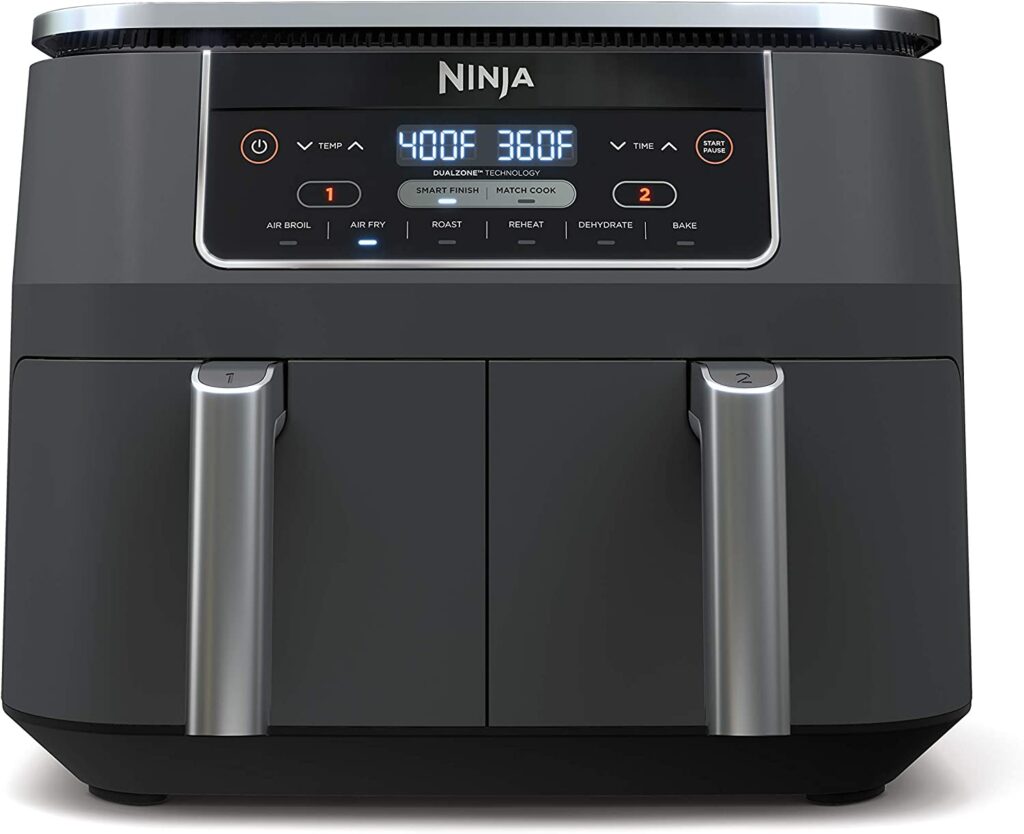
- Air fryer: Crisp exterior while heating the filling thoroughly, ideal for those who prefer roasted textures.
- Steaming: Maintains moisture and tenderness but does not brown the peppers.
Each method has trade-offs between speed, texture, and flavor, but the oven remains the most reliable for consistent results.
Tips For Optimal Reheating Results
- Cover with foil: Retains moisture and prevents the skin from drying out.
- Add a splash of liquid: A few tablespoons of broth or tomato sauce can enhance moisture in the filling.
- Check internal temperature: Ensure safety and even heating.
- Let rest before serving: Allows heat to distribute evenly, improving texture and flavor.
- Avoid reheating multiple times: Preserves taste, texture, and food safety.
FAQs
Can You Reheat Frozen Stuffed Peppers In The Oven Directly Without Thawing?
Yes, you can reheat frozen stuffed peppers directly in the oven without thawing. Preheat the oven to 350°F (175°C), place the peppers in a baking dish, cover with foil to retain moisture, and bake for 45-60 minutes, or until the internal temperature reaches 165°F (74°C).
Should I Cover Frozen Stuffed Peppers With Foil When Reheating?
Yes, covering frozen stuffed peppers with foil helps prevent the tops from drying out and ensures even heating. Remove the foil during the last 10-15 minutes of baking if you want the tops slightly browned.
What Is The Best Oven Temperature To Reheat Frozen Stuffed Peppers?
A consistent temperature of 350°F (175°C) is ideal. This allows the peppers to heat through evenly without burning the filling or overcooking the pepper.
How Long Does It Take To Reheat Frozen Stuffed Peppers In The Oven?
Reheating usually takes 45-60 minutes, depending on the size of the peppers and the density of the filling. Check the internal temperature to ensure it reaches 165°F (74°C).
Can I Add Extra Sauce Or Water When Reheating Frozen Stuffed Peppers?
Yes, adding a few tablespoons of water, broth, or tomato sauce to the baking dish before covering with foil can help maintain moisture and prevent the peppers from drying out during reheating.
Is It Necessary To Thaw Frozen Stuffed Peppers Before Reheating In The Oven?
Thawing is optional. While you can reheat from frozen, thawing them in the refrigerator overnight can reduce baking time and ensure more even heating.
How Can I Prevent The Filling From Becoming Dry When Reheating Frozen Stuffed Peppers?
Covering the peppers with foil, adding moisture such as water or sauce, and avoiding excessively high temperatures are key strategies to prevent dryness.
Can I Reheat Stuffed Peppers That Contain Rice Or Pasta In The Oven From Frozen?
Yes, frozen stuffed peppers with rice or pasta can be reheated in the oven. Ensure that the internal temperature reaches 165°F (74°C) to guarantee the rice or pasta is fully heated.
Should I Check The Internal Temperature Of Frozen Stuffed Peppers When Reheating?
Yes, using a food thermometer is recommended. The internal temperature should reach at least 165°F (74°C) to ensure food safety and proper reheating.
Can I Reheat Multiple Frozen Stuffed Peppers At Once In The Oven?
Yes, you can reheat several peppers at once. Arrange them in a single layer in a baking dish, cover with foil, and bake for 50-70 minutes, adjusting the time depending on the number and size of the peppers.