
How To Reheat Garlic Bread In Oven [FULL GUIDE]
Garlic bread, with its crisp golden crust, soft buttery interior, and the irresistible aroma of roasted garlic, is one of those foods that never loses its charm. Freshly baked, it’s a delight to savor alongside pasta, soups, or salads. However, when you have leftover garlic bread, the challenge lies in preserving its original texture and flavor during reheating. Improper reheating can result in a soggy, dry, or burnt loaf, undermining the very experience that makes garlic bread so enjoyable. Reheating in the oven is widely considered the best method, as it revives both the crunch of the crust and the softness of the interior while maintaining that rich, garlicky taste. Understanding the nuances of oven temperature, cooking time, and technique is key to achieving a perfectly reheated slice every time.
Contents
- 1 Best Temperature To Reheat Garlic Bread In Oven
- 2 Best Cooking Time To Reheat Garlic Bread In Oven
- 3 How To Reheat Garlic Bread In Oven
- 4 When Not To Reheat Garlic Bread In The Oven
- 5 Reheating Garlic Bread More Than Once
- 6 What If I Use A Different Oven Temperature?
- 7 What If I Use A Different Oven Cook Time?
- 8 Best Ways To Reheat Garlic Bread
- 9 Tips For Optimal Reheating Results
- 10 FAQs
- 10.1 What Is The Best Method To Reheat Garlic Bread In The Oven?
- 10.2 Should I Reheat Garlic Bread Wrapped In Foil?
- 10.3 Can I Reheat Garlic Bread Without Aluminum Foil?
- 10.4 How Long Should I Reheat Garlic Bread In The Oven?
- 10.5 Can I Use A Toaster Oven To Reheat Garlic Bread?
- 10.6 How Can I Reheat Garlic Bread To Keep It Soft?
- 10.7 Is It Necessary To Preheat The Oven When Reheating Garlic Bread?
- 10.8 Can I Reheat Frozen Garlic Bread In The Oven?
- 10.9 What Should I Do If My Garlic Bread Is Too Hard After Reheating?
- 10.10 Can I Reheat Garlic Bread More Than Once?
Best Temperature To Reheat Garlic Bread In Oven
Temperature is the cornerstone of successful garlic bread reheating. Too high, and the bread can burn on the outside before the inside warms properly. Too low, and it may become dry or fail to achieve the crispy exterior we crave.
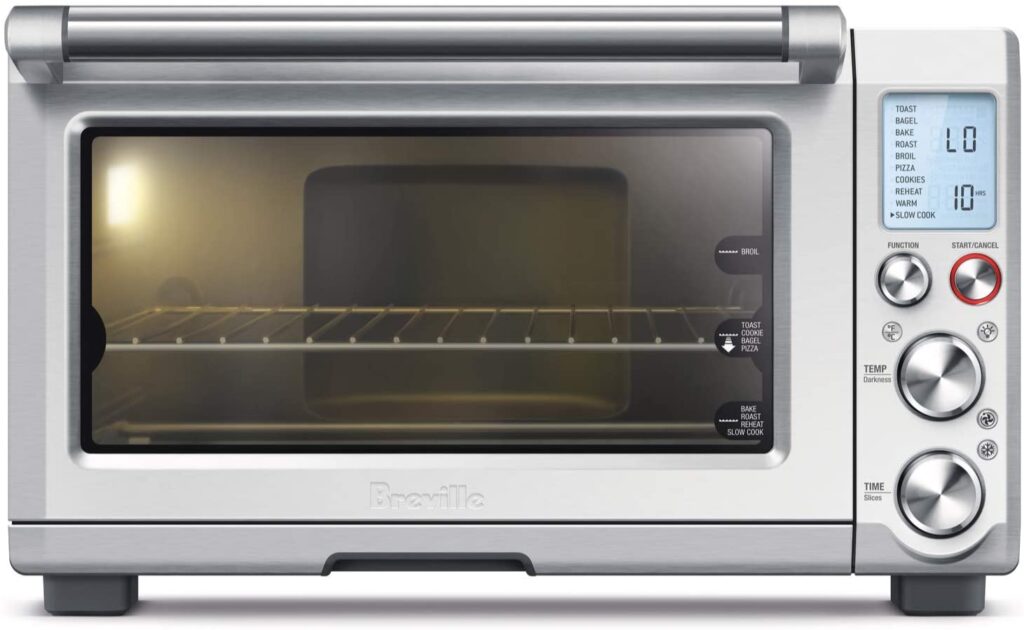
The ideal temperature for reheating garlic bread in the oven is around 350°F (175°C). This temperature strikes a balance, allowing the heat to penetrate evenly, melting any butter and garlic mixture inside, while gently crisping the crust without overbaking it. For thicker loaves or stuffed varieties, slightly increasing the temperature to 375°F (190°C) may help achieve a more consistent warmth, but caution is needed to prevent burning.
Best Cooking Time To Reheat Garlic Bread In Oven
Time is just as critical as temperature. Reheating garlic bread isn’t about leaving it in the oven until it’s scorched; it’s about bringing it back to life.
For a standard loaf or pre-sliced bread, 10-15 minutes at 350°F is usually sufficient. If the bread is frozen, you may need 15-20 minutes. Check periodically; the goal is a golden-brown crust with a warm, soft interior. Overcooking will dry out the bread, while undercooking may leave it cold and limp inside.
How To Reheat Garlic Bread In Oven
Reheating garlic bread in the oven is straightforward, but small details make a big difference:
- Preheat the Oven: Always preheat to 350°F (175°C). This ensures even heat distribution.
- Wrap or Leave Uncovered: For a softer bread, wrap it loosely in aluminum foil. For a crispier crust, leave it uncovered.
- Arrange Properly: Place the bread directly on the oven rack or on a baking sheet. For slices, a single layer is ideal to allow even heating.
- Monitor: Check the bread after 10 minutes to prevent burning. For a crispier top, open the foil during the last 2-3 minutes of heating.
- Serve Immediately: Garlic bread is best enjoyed fresh from the oven, as it quickly loses its crisp texture.
When Not To Reheat Garlic Bread In The Oven
While ovens are ideal for reheating, there are scenarios where it may not be the best choice:
- Extremely small portions: For a single slice, a toaster oven or skillet may heat faster without drying it out.
- Already overly toasted or dry bread: Reheating can further harden it.
- Time constraints: Oven reheating takes longer than microwaving. If speed is essential, other methods may be preferable.
Reheating Garlic Bread More Than Once
Reheating garlic bread multiple times is generally discouraged. Each cycle removes moisture and can make the bread dry and crumbly. If you anticipate leftovers, it’s better to reheat only the portion you plan to eat and store the rest. For occasional double reheating, wrap tightly in foil and use low heat to minimize moisture loss, but know that repeated reheating will degrade quality.
What If I Use A Different Oven Temperature?
Adjusting oven temperature can alter results significantly:
- Higher than 350°F: The crust may brown or burn before the inside warms, leaving the bread unevenly heated.
- Lower than 350°F: The bread warms more slowly, potentially staying soft and slightly doughy in the center while drying out over time.
Temperature adjustments require monitoring and possibly adjusting cooking time to compensate for faster or slower heat penetration.
What If I Use A Different Oven Cook Time?
Cook time directly affects texture:
- Shorter time: Bread may remain cold or partially underheated.
- Longer time: Bread risks becoming dry and hard.
If altering time, always check the interior softness and the crust’s color. It’s better to slightly underheat and extend time incrementally than to risk burning.
Best Ways To Reheat Garlic Bread
Aside from the standard oven method, there are a few alternatives:
- Toaster Oven: Great for slices; quick and maintains crispiness.
- Skillet: Provides a crunchy bottom; use low heat and cover for a few minutes to warm the inside.
- Microwave (Not Recommended): Fast, but often yields soggy, uneven bread unless briefly microwaved and then crisped in a toaster oven.
The oven method remains superior for restoring both texture and flavor, especially for full loaves.
Tips For Optimal Reheating Results
- Preheat the oven: Never skip this step to ensure even heat distribution.
- Wrap for softness: Use foil for softer bread; leave uncovered for crispier crusts.
- Check periodically: Avoid guessing; visual cues matter.
- Add moisture if needed: Lightly brushing water or butter can prevent dryness.
- Serve promptly: Garlic bread loses its ideal texture quickly after reheating.
FAQs
What Is The Best Method To Reheat Garlic Bread In The Oven?
The best method to reheat garlic bread in the oven is to preheat the oven to 350°F (175°C), wrap the garlic bread in aluminum foil to keep it from drying out, and bake it for 10-15 minutes. This ensures the bread stays moist while being heated through.
Should I Reheat Garlic Bread Wrapped In Foil?
Yes, wrapping garlic bread in foil helps retain moisture and prevents it from becoming too crispy or hard while reheating. It allows the bread to heat evenly without losing its softness.
Can I Reheat Garlic Bread Without Aluminum Foil?
Yes, you can reheat garlic bread without aluminum foil. Simply place the bread on a baking sheet and bake it at 350°F (175°C) for about 5-10 minutes. However, without foil, the bread may become slightly crunchier and dry out faster.
How Long Should I Reheat Garlic Bread In The Oven?
Reheat garlic bread in the oven for 10-15 minutes at 350°F (175°C) if wrapped in foil. If unwrapped, check for doneness after 5-10 minutes to ensure it doesn’t get too crispy.
Can I Use A Toaster Oven To Reheat Garlic Bread?
Yes, a toaster oven is a great alternative for reheating garlic bread. Set the toaster oven to 350°F (175°C) and reheat the bread for 5-10 minutes, checking frequently to avoid overcooking.
How Can I Reheat Garlic Bread To Keep It Soft?
To keep garlic bread soft, wrap it in aluminum foil before reheating. This traps moisture and prevents the bread from drying out. Additionally, you can place a small bowl of water in the oven to help maintain the humidity during reheating.
Is It Necessary To Preheat The Oven When Reheating Garlic Bread?
Yes, it is recommended to preheat the oven to 350°F (175°C) before reheating garlic bread. Preheating ensures the oven reaches the right temperature for even reheating and prevents the bread from becoming soggy.
Can I Reheat Frozen Garlic Bread In The Oven?
Yes, you can reheat frozen garlic bread in the oven. Preheat the oven to 350°F (175°C), and bake the frozen garlic bread for 15-20 minutes, or until heated through. If you want a crisper texture, you can bake it without foil.
What Should I Do If My Garlic Bread Is Too Hard After Reheating?
If your garlic bread is too hard after reheating, try wrapping it in a damp paper towel and microwaving it for a few seconds to soften it. Alternatively, you can add a little butter to the bread before reheating to help keep it moist.
Can I Reheat Garlic Bread More Than Once?
It is not recommended to reheat garlic bread multiple times, as this can result in a loss of texture and flavor. It’s best to reheat only the portion you plan to eat to avoid wastage and maintain the quality of the bread.