
How To Reheat Cooked Dungeness Crab In Oven [FULL GUIDE]
Dungeness crab, with its tender, sweet, and succulent meat, is widely regarded as a culinary delicacy along the Pacific coast. Whether freshly caught or purchased pre-cooked, the pleasure of enjoying its delicate flavor is unmatched. However, the challenge often arises when you have leftover cooked crab. Reheating it incorrectly can lead to a rubbery, dry texture and a diminished taste experience. The oven, when used properly, provides an excellent method for gently warming crab meat while preserving its natural juiciness and flavor. This guide dives into the precise techniques, temperatures, and timing to ensure every bite is as delightful as when it was first served.
Contents
- 1 Best Temperature To Reheat Cooked Dungeness Crab In Oven
- 2 Best Cooking Time To Reheat Cooked Dungeness Crab In Oven
- 3 How To Reheat Cooked Dungeness Crab In Oven
- 4 When Not To Reheat Cooked Dungeness Crab In The Oven
- 5 Reheating Cooked Dungeness Crab More Than Once
- 6 What If I Use A Different Oven Temperature?
- 7 What If I Use A Different Oven Cook Time?
- 8 Best Ways To Reheat Cooked Dungeness Crab
- 9 Tips For Optimal Reheating Results
- 10 FAQs
- 10.1 What Is The Best Way To Reheat Cooked Dungeness Crab In The Oven?
- 10.2 Should I Remove The Crab Meat From The Shell Before Reheating?
- 10.3 How Can I Prevent The Crab From Drying Out In The Oven?
- 10.4 How Long Does It Take To Reheat Cooked Dungeness Crab In The Oven?
- 10.5 Can I Reheat Crab At A Higher Temperature For A Shorter Time?
- 10.6 Do I Need To Preheat The Oven Before Reheating Crab?
- 10.7 Is It Safe To Reheat Dungeness Crab In The Oven More Than Once?
- 10.8 Can I Season Or Add Butter Before Reheating Crab In The Oven?
- 10.9 Should I Use A Baking Dish Or A Sheet Pan To Reheat Crab?
- 10.10 How Do I Know When The Crab Is Properly Reheated?
Best Temperature To Reheat Cooked Dungeness Crab In Oven
Reheating crab requires a gentle touch because overexposure to heat can easily overcook its delicate meat. The ideal oven temperature for warming cooked Dungeness crab is around 350°F (175°C). This temperature is high enough to effectively heat the crab through without aggressively cooking it further.

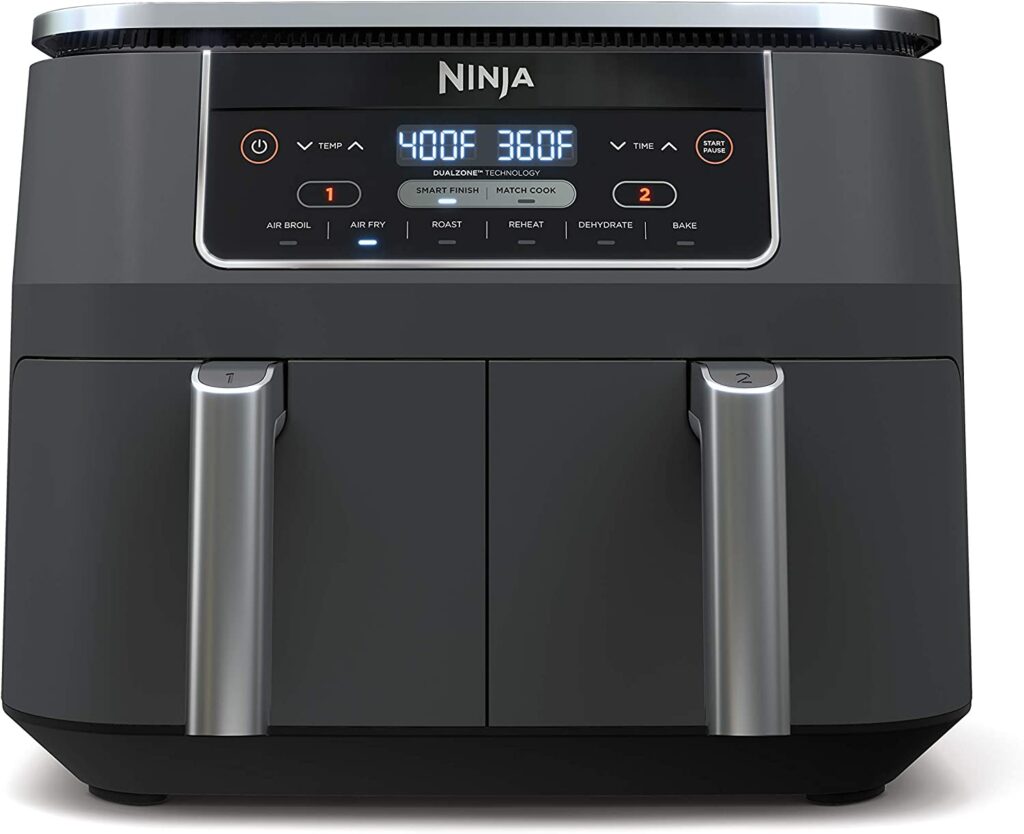
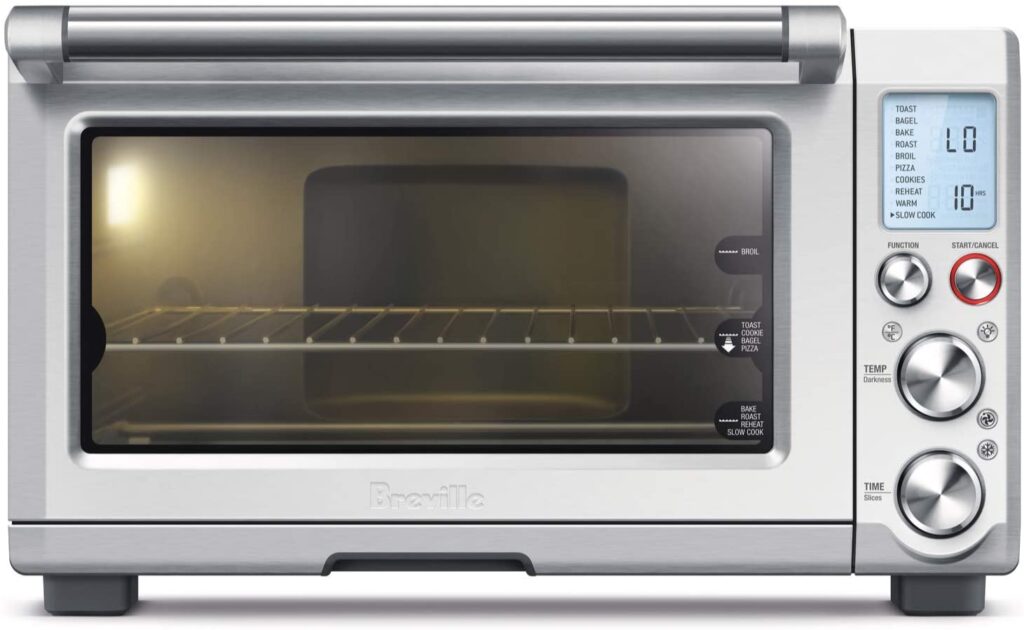
Some chefs recommend a slightly lower range, such as 325°F (163°C), if the crab has been refrigerated for several days or if you are reheating large clusters. This slower, gentler heat prevents the meat from drying out and helps maintain its natural sweetness. Avoid temperatures above 375°F (190°C), as these can quickly turn the tender meat rubbery and compromise the texture.
Best Cooking Time To Reheat Cooked Dungeness Crab In Oven
Time is just as critical as temperature when reheating crab. For most whole or split Dungeness crabs, reheating at 350°F (175°C) generally takes about 15-20 minutes. If you are reheating crab legs or clusters, the time can be slightly shorter, around 10-15 minutes, depending on their size.
A useful technique is to check the internal temperature of the crab meat. It should reach around 140°F (60°C), which is warm enough for safe consumption without overcooking. Overextending the cooking time, even by a few minutes, can lead to a tough, stringy texture that is difficult to enjoy.
How To Reheat Cooked Dungeness Crab In Oven
- Preheat the Oven: Set the oven to 350°F (175°C) and allow it to reach a consistent temperature.
- Prepare the Crab: Place the cooked crab in an oven-safe dish. Optionally, wrap it loosely in aluminum foil to retain moisture. Adding a tablespoon of water, butter, or crab stock over the meat can prevent it from drying out.
- Reheat Gently: Place the dish in the oven and heat for 15-20 minutes for whole crabs, or 10-15 minutes for legs. Check the meat occasionally to ensure it is warming evenly.
- Serve Immediately: Once the crab is heated through, remove it from the oven and serve promptly for the best flavor and texture.
When Not To Reheat Cooked Dungeness Crab In The Oven
Reheating Dungeness crab is not always recommended. If the crab:
- Has been left at room temperature for more than 2 hours.
- Exhibits any off-smell or slimy texture.
- Has been frozen and thawed multiple times.
In these cases, reheating could be unsafe or result in poor texture and flavor. It’s always better to err on the side of caution with seafood.
Reheating Cooked Dungeness Crab More Than Once
Reheating crab multiple times is strongly discouraged. Each cycle of heating and cooling breaks down the delicate proteins in the meat, leading to a dry, chewy, and less flavorful product. If you anticipate leftovers, it’s best to only reheat the portion you plan to eat immediately.
What If I Use A Different Oven Temperature?
Using a higher temperature than recommended may speed up the process but increases the risk of overcooking. The meat can become tough, stringy, or rubbery. Conversely, using a lower temperature can help preserve moisture but requires careful timing to ensure the crab is heated thoroughly. A slightly lower temperature of 325°F (163°C) works well for larger crabs or if you prefer a gentler warming process, while anything significantly lower might leave the meat cold in the center.
What If I Use A Different Oven Cook Time?
Altering the cooking time without adjusting temperature can lead to uneven results. Cooking too briefly may leave the crab cold in the middle, while extending the time too long can dry out the meat. Always consider the crab’s size and whether it is whole, in sections, or just legs. A general rule: smaller pieces require less time, larger crabs require more, but check internal warmth at 140°F (60°C) to be certain.
Best Ways To Reheat Cooked Dungeness Crab
While the oven is an excellent option, other methods include:
- Steaming: Preserves moisture and enhances natural flavor.
- Boiling water bath: Quick method for legs or clusters, but avoid prolonged exposure.
- Microwave (last resort): Can be uneven and risk drying out, best used with moisture and short intervals.
The oven strikes a balance between gentle heat and consistent warming, making it the preferred method for maintaining texture and taste.
Tips For Optimal Reheating Results
- Wrap crab in foil to trap steam and prevent drying.
- Add a small amount of butter or water to retain moisture.
- Check internal temperature with a food thermometer.
- Reheat only once to preserve flavor and texture.
- Serve immediately after reheating for peak enjoyment.
FAQs
What Is The Best Way To Reheat Cooked Dungeness Crab In The Oven?
The best method is to preheat the oven to 350°F (175°C), place the crab in a baking dish, add a small amount of water or butter to keep it moist, cover with foil, and bake for 10-15 minutes until heated through.
Should I Remove The Crab Meat From The Shell Before Reheating?
It is optional. Reheating the crab in its shell helps retain moisture and flavor, while removing the meat allows for more even heating but requires careful handling to prevent drying out.
How Can I Prevent The Crab From Drying Out In The Oven?
Cover the crab with aluminum foil and add a few tablespoons of water, crab broth, or melted butter to the baking dish. This creates steam and preserves moisture during reheating.
How Long Does It Take To Reheat Cooked Dungeness Crab In The Oven?
Typically, it takes 10-15 minutes at 350°F (175°C). Larger crabs or thicker pieces may require up to 20 minutes. Check periodically to avoid overcooking.
Can I Reheat Crab At A Higher Temperature For A Shorter Time?
While it’s possible, high temperatures can quickly dry out the crab and make the meat tough. A moderate temperature like 350°F (175°C) is recommended for even heating without compromising texture.
Do I Need To Preheat The Oven Before Reheating Crab?
Yes, preheating ensures the crab heats evenly and reduces the risk of unevenly warmed or overcooked portions.
Is It Safe To Reheat Dungeness Crab In The Oven More Than Once?
It is not recommended to reheat seafood multiple times. Reheating once preserves quality and reduces the risk of bacterial growth.
Can I Season Or Add Butter Before Reheating Crab In The Oven?
Yes, brushing the crab with melted butter or seasoning before covering and baking enhances flavor. Avoid heavy seasoning that may overpower the natural crab taste.
Should I Use A Baking Dish Or A Sheet Pan To Reheat Crab?
A baking dish is preferred because it can hold moisture with a lid or foil cover. A sheet pan works, but you should cover the crab tightly with foil and possibly add a small amount of liquid to prevent drying.
How Do I Know When The Crab Is Properly Reheated?
The crab is done when it is hot throughout. Check by inserting a meat thermometer into the thickest part; it should reach 145°F (63°C). The meat should be steaming and opaque, not rubbery or dry.