
How To Reheat Beef Tenderloin In Oven [FULL GUIDE]
Beef tenderloin is one of the most luxurious and tender cuts of beef, prized for its melt-in-your-mouth texture and rich, beefy flavor. Whether it’s leftover from a holiday feast, a special occasion, or a weekend dinner, reheating beef tenderloin presents a unique culinary challenge. This cut is delicate, lean, and prone to drying out if not treated carefully. Unlike heartier cuts such as chuck or brisket, beef tenderloin lacks the fat and connective tissue that can help retain moisture during reheating. Therefore, the goal is to restore warmth and juiciness while preserving its tender texture and exquisite flavor. Understanding the science behind reheating, including proper temperature, cooking time, and technique, can mean the difference between a dish that tastes freshly cooked and one that feels dry or overdone.
Contents
- 1 Best Temperature To Reheat Beef Tenderloin In Oven
- 2 Best Cooking Time To Reheat Beef Tenderloin In Oven
- 3 How To Reheat Beef Tenderloin In Oven
- 4 When Not To Reheat Beef Tenderloin In The Oven
- 5 Reheating Beef Tenderloin More Than Once
- 6 What If I Use A Different Oven Temperature?
- 7 What If I Use A Different Oven Cook Time?
- 8 Best Ways To Reheat Beef Tenderloin
- 9 Tips For Optimal Reheating Results
- 10 FAQs
- 10.1 What Is The Best Oven Temperature To Reheat Beef Tenderloin?
- 10.2 How Long Does It Take To Reheat Beef Tenderloin In The Oven?
- 10.3 Should I Cover The Beef Tenderloin While Reheating?
- 10.4 Can I Add Liquid To The Beef When Reheating?
- 10.5 Is It Safe To Reheat Beef Tenderloin In The Oven Multiple Times?
- 10.6 Can I Use The Same Method For A Whole Beef Tenderloin Roast And Individual Slices?
- 10.7 Should I Bring The Beef Tenderloin To Room Temperature Before Reheating?
- 10.8 What Internal Temperature Should I Aim For When Reheating?
- 10.9 Can I Add Seasoning Or Sauce When Reheating?
- 10.10 Is Reheating In The Oven Better Than Using A Microwave?
Best Temperature To Reheat Beef Tenderloin In Oven
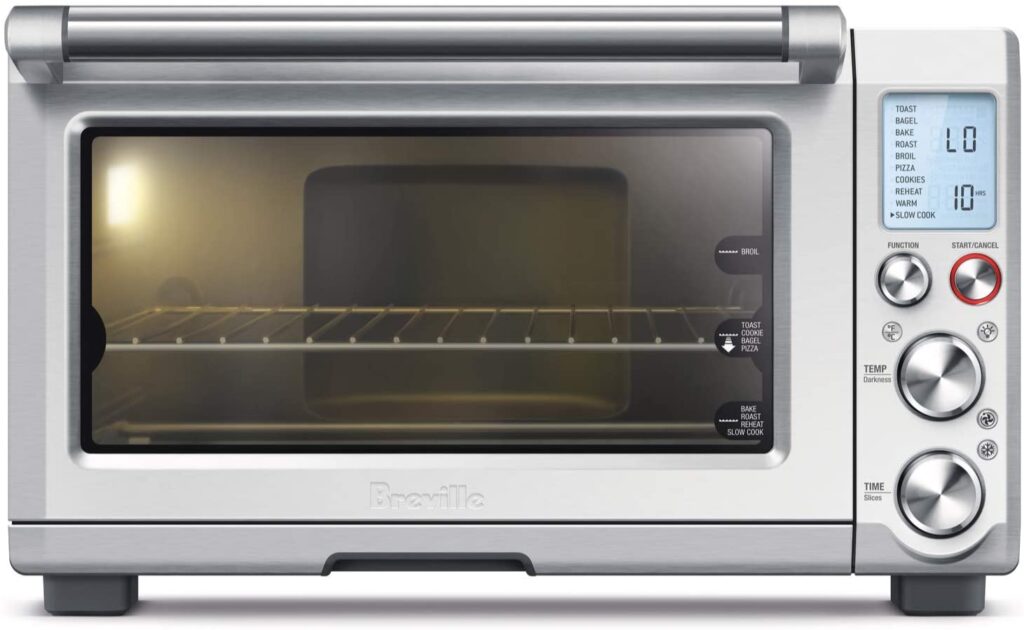
The ideal temperature for reheating beef tenderloin in the oven balances safety with moisture retention. Low and slow is the mantra. Generally, setting the oven between 250°F (120°C) and 275°F (135°C) is optimal. This gentle heat allows the internal temperature of the meat to rise evenly without aggressively cooking the outer layer, which can quickly become tough.
Using a higher temperature may seem tempting for speed, but it risks overheating the exterior before the center warms through, leading to uneven reheating and loss of tenderness. Conversely, temperatures below 225°F (107°C) prolong the reheating process unnecessarily and may dry the surface unless adequately covered. Maintaining a moderate low temperature ensures that the tenderloin warms throughout while keeping its succulent texture intact.
Best Cooking Time To Reheat Beef Tenderloin In Oven
The reheating time for beef tenderloin largely depends on its size, thickness, and whether it is whole, sliced, or cut into individual portions. A general guideline is to reheat at 250°F-275°F for 20-30 minutes per pound.
- Whole tenderloin (3-4 pounds): approximately 25-30 minutes per pound.
- Sliced portions (1-2 inches thick): roughly 10-15 minutes, depending on oven performance and starting temperature of the meat.
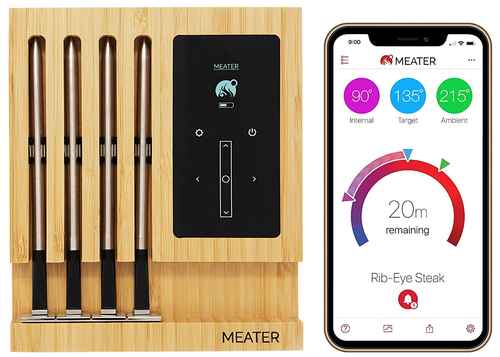
For accuracy, using a meat thermometer is invaluable. Aim for an internal temperature of around 130°F (54°C) for medium-rare or 140°F (60°C) for medium. These temperatures provide warmth without overcooking, keeping the meat tender and flavorful.
How To Reheat Beef Tenderloin In Oven
Reheating beef tenderloin properly requires preparation to prevent moisture loss:
- Preheat the oven: Set it to 250°F-275°F.
- Prepare the meat: Place the beef tenderloin in an oven-safe dish. If sliced, arrange the pieces evenly for uniform heating.
- Add moisture: Lightly brush the meat with beef broth, melted butter, or a touch of olive oil. Cover the dish tightly with aluminum foil to trap steam, which prevents drying.
- Insert a meat thermometer: For precision, this ensures the internal temperature reaches the desired warmth without overshooting.
- Reheat slowly: Place the dish in the oven and allow the meat to warm gradually.
- Rest before serving: Let the tenderloin rest for 5-10 minutes after removing it from the oven. This allows juices to redistribute, enhancing flavor and juiciness.
When Not To Reheat Beef Tenderloin In The Oven
There are situations when reheating beef tenderloin in the oven may not be the best option:
- If it’s very thinly sliced or shredded: The oven may overcook these portions, causing them to dry out.
- If it’s already been overcooked once: Reheating can exacerbate dryness.
- If rapid reheating is essential: In these cases, pan-searing or sous-vide methods may be preferable to maintain juiciness.
In these scenarios, alternative methods such as using a steamer, sous-vide, or gently microwaving with moisture can be more suitable.
Reheating Beef Tenderloin More Than Once
Reheating tenderloin multiple times is not recommended. Each reheating cycle removes moisture, increases the risk of uneven cooking, and compromises tenderness and flavor. If you must reheat leftovers more than once, consider:
- Storing in small, single-portion sizes to limit repeated exposure to heat.
- Using a gentle reheating method such as sous-vide or steaming rather than a conventional oven.
Multiple reheatings will almost inevitably lead to a less desirable texture, so it’s best to reheat only what you plan to consume immediately.
What If I Use A Different Oven Temperature?
Adjusting the oven temperature impacts both time and texture:
- Higher temperature (300-350°F / 150-175°C): Heats meat faster but increases risk of overcooked edges and dry texture. Use a shorter time and monitor closely with a thermometer.
- Lower temperature (200-225°F / 93-107°C): Reduces risk of overcooking but prolongs reheating, requiring a tightly covered dish to retain moisture.
The key is balancing temperature with attentive monitoring of internal meat temperature.
What If I Use A Different Oven Cook Time?
Altering cooking time affects juiciness and safety:
- Shorter time: May leave the interior underheated, requiring careful monitoring.
- Longer time: Risks drying out and toughening the tenderloin unless covered with foil and basted with moisture.
Always pair time adjustments with a thermometer check to ensure the meat is adequately warmed without compromising texture.
Best Ways To Reheat Beef Tenderloin
The oven is excellent for slow, even reheating, but other methods include:
- Sous-vide: Immersing the meat in a temperature-controlled water bath preserves juiciness and avoids overcooking.
- Steaming: Gentle, moist heat keeps meat tender, ideal for sliced portions.
- Skillet on low heat: Quickly searing with butter or oil restores surface warmth and flavor without drying the interior.
Each method has merits depending on available equipment and desired result, but all aim to maintain tenderness and flavor.
Tips For Optimal Reheating Results
- Slice the tenderloin only after reheating to minimize surface moisture loss.
- Cover tightly with foil or use an oven-safe lid to trap steam.
- Add a small amount of broth, wine, or melted butter to enhance moisture and flavor.
- Use a thermometer to track internal temperature rather than relying solely on time.
- Let meat rest for a few minutes post-reheating to allow juices to redistribute.
FAQs
What Is The Best Oven Temperature To Reheat Beef Tenderloin?
The ideal oven temperature for reheating beef tenderloin is between 250°F (120°C) and 275°F (135°C). This low and slow method prevents the meat from drying out while ensuring even heating.
How Long Does It Take To Reheat Beef Tenderloin In The Oven?
Reheating beef tenderloin in the oven typically takes 20 to 30 minutes, depending on the thickness of the cut and the starting temperature of the meat. Use a meat thermometer to ensure it reaches an internal temperature of 120-130°F for medium-rare.
Should I Cover The Beef Tenderloin While Reheating?
Yes, covering the beef tenderloin with foil helps retain moisture, preventing the meat from drying out during reheating. Make sure the foil is tented loosely to allow some heat circulation.
Can I Add Liquid To The Beef When Reheating?
Adding a small amount of beef broth, stock, or water can help maintain juiciness. Pour just enough to cover the bottom of the pan to create a gentle steaming effect.
Is It Safe To Reheat Beef Tenderloin In The Oven Multiple Times?
Repeated reheating is not recommended because it increases the risk of drying out the meat and can allow bacterial growth. Ideally, reheat only once and consume immediately.
Can I Use The Same Method For A Whole Beef Tenderloin Roast And Individual Slices?
Yes, but whole roasts may require more time (30-40 minutes), whereas individual slices heat faster (10-15 minutes). Always check internal temperature for consistency.
Should I Bring The Beef Tenderloin To Room Temperature Before Reheating?
Bringing the beef to room temperature for 15-20 minutes before reheating helps the meat warm more evenly, reducing the risk of overcooked edges and a cold center.
What Internal Temperature Should I Aim For When Reheating?
Aim for an internal temperature of 120-130°F (49-54°C) for medium-rare, 135°F (57°C) for medium. Using a meat thermometer is the most reliable way to avoid overcooking.
Can I Add Seasoning Or Sauce When Reheating?
Yes, brushing the beef with a light layer of butter, olive oil, or sauce can enhance flavor and moisture. Avoid heavy sauces that could make the meat soggy.
Is Reheating In The Oven Better Than Using A Microwave?
Yes, reheating beef tenderloin in the oven is preferred because it heats the meat more evenly and helps preserve texture and juiciness. Microwaving can make the meat tough and unevenly heated.