
How To Reheat Philly Cheesesteak In Oven [FULL GUIDE]
The Philly cheesesteak, a beloved culinary icon originating from Philadelphia, is a sandwich that combines tender, thinly sliced beef, melted cheese, and often sautéed onions, all nestled within a soft hoagie roll. Its rich flavors and melty textures make it a delight when fresh, but what happens when you have leftovers? Reheating a Philly cheesesteak can be a delicate process. Heat it incorrectly, and you risk dry meat, tough bread, or congealed cheese. Using an oven is one of the best methods to restore its flavors and textures while avoiding the sogginess or uneven heating that microwaves often cause. However, achieving the perfect reheated Philly cheesesteak requires attention to temperature, timing, and technique.
Contents
- 1 Best Temperature To Reheat Philly Cheesesteak In Oven
- 2 Best Cooking Time To Reheat Philly Cheesesteak In Oven
- 3 How To Reheat Philly Cheesesteak In Oven
- 4 When Not To Reheat Philly Cheesesteak In The Oven
- 5 Reheating Philly Cheesesteak More Than Once
- 6 What If I Use A Different Oven Temperature?
- 7 What If I Use A Different Oven Cook Time?
- 8 Best Ways To Reheat Philly Cheesesteak
- 9 Tips For Optimal Reheating Results
- 10 FAQs
- 10.1 What Is The Best Temperature To Reheat A Philly Cheesesteak In The Oven?
- 10.2 Should I Wrap My Philly Cheesesteak In Foil Before Reheating?
- 10.3 How Long Does It Take To Reheat A Philly Cheesesteak In The Oven?
- 10.4 Can I Reheat A Philly Cheesesteak With The Cheese On Top?
- 10.5 Is It Better To Reheat Philly Cheesesteak In The Oven Or Microwave?
- 10.6 Should I Preheat The Oven Before Reheating The Sandwich?
- 10.7 Can I Reheat A Frozen Philly Cheesesteak Directly In The Oven?
- 10.8 How Can I Keep The Bread From Becoming Too Hard While Reheating?
- 10.9 Is It Necessary To Slice The Sandwich Before Reheating?
- 10.10 Can I Add Extra Toppings While Reheating In The Oven?
Best Temperature To Reheat Philly Cheesesteak In Oven
Temperature is the most critical factor when reheating a Philly cheesesteak. Too high, and you risk burning the bread or drying out the beef; too low, and the sandwich warms unevenly, leaving cold spots in the meat and cheese. The ideal temperature for reheating in a conventional oven is around 325°F (163°C).
This temperature strikes a balance between warming the sandwich through and maintaining moisture in both the meat and the bread. It allows the cheese to gently melt again, creating that creamy, gooey texture without separating into an oily mess. If you’re using a convection oven, lowering the temperature slightly to 300-310°F (149-154°C) is recommended due to the circulating air speeding up cooking.
Best Cooking Time To Reheat Philly Cheesesteak In Oven
Timing is just as crucial as temperature. On average, a standard Philly cheesesteak will reheat in 10-15 minutes at 325°F. The exact time depends on the size of the sandwich and whether it’s wrapped in foil.
- Wrapped in foil: 12-15 minutes is ideal. Wrapping traps moisture, preventing the meat from drying out and the bread from becoming overly crusty.
- Unwrapped: 10-12 minutes will warm the sandwich thoroughly while allowing the bread to crisp slightly.
Checking the sandwich halfway through ensures even heating and allows adjustments if it’s heating too quickly. The goal is warmth and cheese meltiness without compromising texture.
How To Reheat Philly Cheesesteak In Oven
- Preheat the oven to 325°F (163°C). Preheating ensures that the sandwich heats evenly from the start.
- Wrap the sandwich in aluminum foil if you prefer softer bread. If you like a slightly crisp exterior, leave it partially unwrapped.
- Place the sandwich on a baking sheet to catch any cheese that might ooze out during reheating.
- Heat for 10-15 minutes, checking around the 8-minute mark to prevent overcooking.
- Remove from oven and let rest for 1-2 minutes before eating. This allows the heat to redistribute, ensuring even warmth throughout.
When Not To Reheat Philly Cheesesteak In The Oven
While ovens are excellent for reheating, there are scenarios where it might not be ideal:
- Extremely small portions: Microwaving may be faster and sufficient.
- Sandwiches with soggy bread: The oven may exacerbate the dryness rather than restore texture.
- If the sandwich has been left out too long: Reheating cannot make unsafe food safe. Always refrigerate leftovers promptly.
Reheating Philly Cheesesteak More Than Once
Reheating multiple times is strongly discouraged. Each reheating cycle removes moisture from both the meat and bread, causing dryness and a loss of flavor. Moreover, frequent reheating increases the risk of bacterial growth if the sandwich isn’t cooled and stored properly. If you anticipate leftovers, consider reheating only the portion you plan to eat immediately.
What If I Use A Different Oven Temperature?
- Lower temperature (275-300°F / 135-149°C): Slower heating can help retain moisture but will require additional time, sometimes up to 20-25 minutes.
- Higher temperature (350-375°F / 177-190°C): Can quickly crisp the bread and melt cheese but risks drying the meat and toughening the roll if left too long.
The key is to adjust time proportionally: lower temperatures require longer cooking, higher temperatures require vigilance to prevent burning.
What If I Use A Different Oven Cook Time?
- Shorter cook time: Sandwich may be cold in the center, with cheese not fully melted.
- Longer cook time: Risks overcooking the meat, drying out the roll, and making the cheese rubbery or greasy.
If adjusting cook time, check the sandwich periodically to achieve a balance of melted cheese, warm meat, and soft yet slightly crisp bread.
Best Ways To Reheat Philly Cheesesteak
While the oven is optimal for texture and flavor, alternatives include:
- Skillet: Heat on medium-low with a lid to trap steam, maintaining moistness while crisping edges.
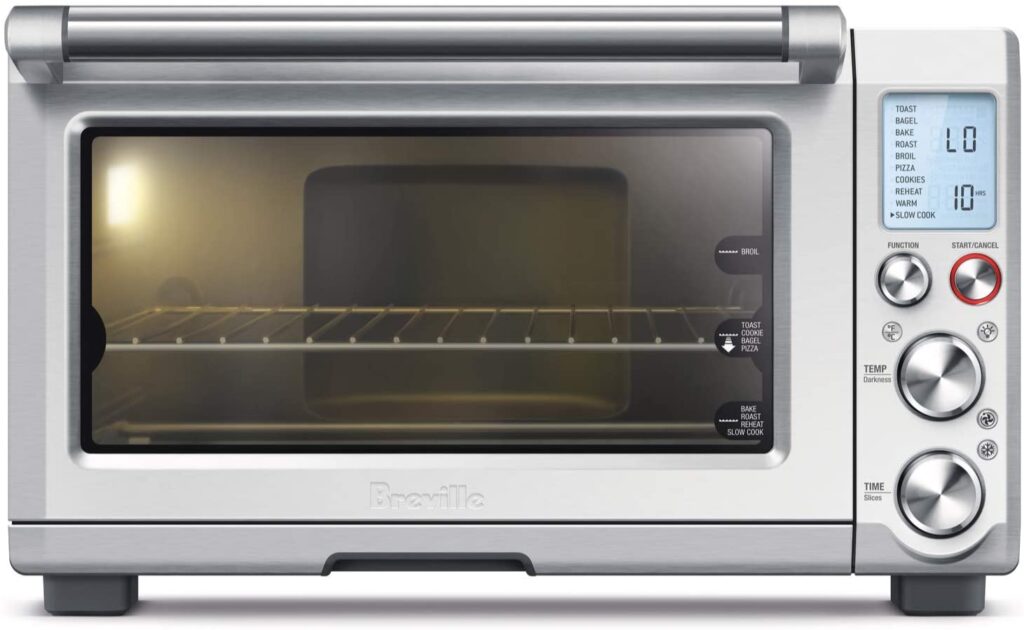
- Toaster oven: Functions similarly to a conventional oven but is ideal for single sandwiches.
- Microwave with cover: Quickest method but risks sogginess; use a microwave-safe cover to trap steam and prevent drying.
Tips For Optimal Reheating Results
- Store properly: Refrigerate leftover sandwiches in airtight containers to prevent moisture loss.
- Partial foil wrapping: Keeps bread from getting too hard while allowing cheese to melt.
- Check halfway: Adjust positioning or tent foil if cheese is browning too fast.
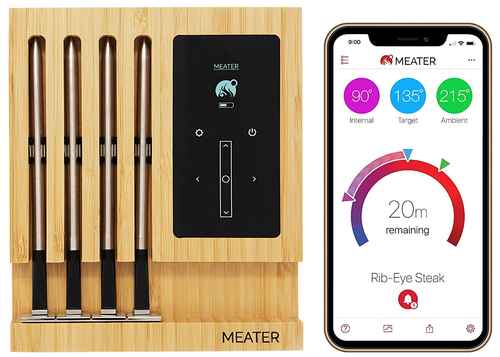
- Use a thermometer: Meat should reach 140°F (60°C) internally for safe consumption.
- Consider toppings: Lettuce, tomatoes, or condiments should be added fresh after reheating to prevent sogginess.
FAQs
What Is The Best Temperature To Reheat A Philly Cheesesteak In The Oven?
The ideal temperature to reheat a Philly cheesesteak in the oven is 350°F (175°C). This temperature is high enough to warm the sandwich evenly without overcooking or drying out the bread and meat.
Should I Wrap My Philly Cheesesteak In Foil Before Reheating?
Yes, wrapping your Philly cheesesteak in aluminum foil helps retain moisture and prevents the bread from becoming too hard or dry during reheating. It also ensures the cheese melts evenly.
How Long Does It Take To Reheat A Philly Cheesesteak In The Oven?
Reheating typically takes 10-15 minutes when wrapped in foil at 350°F. If unwrapped, it may take 8-12 minutes, but keep a close eye to avoid burning the bread.
Can I Reheat A Philly Cheesesteak With The Cheese On Top?
Yes, but to prevent the cheese from burning or drying out, it’s recommended to cover the sandwich with foil. Alternatively, you can add fresh cheese halfway through reheating for a melted, fresh taste.
Is It Better To Reheat Philly Cheesesteak In The Oven Or Microwave?
The oven is better because it evenly reheats the sandwich and preserves the texture of both the bread and meat. Microwaving can make the bread soggy and the meat rubbery.
Should I Preheat The Oven Before Reheating The Sandwich?
Yes, preheating ensures the oven reaches the correct temperature for even reheating. Starting with a cold oven can result in unevenly warmed meat and cheese.
Can I Reheat A Frozen Philly Cheesesteak Directly In The Oven?
It’s best to thaw the sandwich in the refrigerator for a few hours before reheating. Reheating from frozen is possible, but it will take longer (around 20-25 minutes) and may dry out the sandwich if not carefully monitored.
How Can I Keep The Bread From Becoming Too Hard While Reheating?
Wrapping the sandwich in foil and adding a small amount of water (like a damp paper towel inside the foil) can help maintain moisture and prevent the bread from becoming overly hard.
Is It Necessary To Slice The Sandwich Before Reheating?
Slicing is optional. Slicing can help heat the inside evenly, especially if the sandwich is thick. If left whole, just make sure it’s tightly wrapped in foil for consistent heating.
Can I Add Extra Toppings While Reheating In The Oven?
Yes, you can add toppings like peppers or onions. However, add them midway through reheating to prevent overcooking, or lightly sauté them beforehand to maintain their texture and flavor.