
How To Reheat Cooked Ham In Oven [FULL GUIDE]
Reheating cooked ham may seem simple, but achieving that perfect balance of warmth, juiciness, and flavor requires more than just tossing it into the oven. Ham, especially pre-cooked varieties, can easily dry out or develop an unpleasant texture if reheated incorrectly. Whether it’s a leftover holiday ham or a small portion from a weeknight dinner, understanding the proper techniques can elevate your meal and preserve the ham’s natural sweetness, saltiness, and savory aroma. In this guide, we’ll explore the ideal temperatures, cooking times, and methods to reheat cooked ham in the oven while maintaining its tender, succulent quality.
Contents
- 1 Best Temperature To Reheat Cooked Ham In Oven
- 2 Best Cooking Time To Reheat Cooked Ham In Oven
- 3 How To Reheat Cooked Ham In Oven
- 4 When Not To Reheat Cooked Ham In The Oven
- 5 Reheating Cooked Ham More Than Once
- 6 What If I Use A Different Oven Temperature?
- 7 What If I Use A Different Oven Cook Time?
- 8 Best Ways To Reheat Cooked Ham
- 9 Tips For Optimal Reheating Results
- 10 FAQs
- 10.1 What Is The Best Oven Temperature To Reheat Cooked Ham?
- 10.2 Should I Cover The Ham While Reheating In The Oven?
- 10.3 How Long Does It Take To Reheat Cooked Ham In The Oven?
- 10.4 Do I Need To Add Liquid When Reheating Ham In The Oven?
- 10.5 Should I Glaze The Ham Before Reheating?
- 10.6 Is It Necessary To Preheat The Oven Before Reheating Ham?
- 10.7 How Can I Check If The Ham Is Properly Reheated?
- 10.8 Can I Reheat A Spiral-sliced Ham In The Oven?
- 10.9 Can I Reheat Ham Directly On The Oven Rack?
- 10.10 How Should Leftover Ham Be Stored Before Reheating?
Best Temperature To Reheat Cooked Ham In Oven
The ideal oven temperature for reheating cooked ham strikes a balance between heating the meat thoroughly and avoiding dryness. Most culinary experts recommend a moderate heat of 275°F to 300°F (135°C to 150°C). At this temperature, the ham warms evenly throughout without causing the outer layers to become tough or overly caramelized.
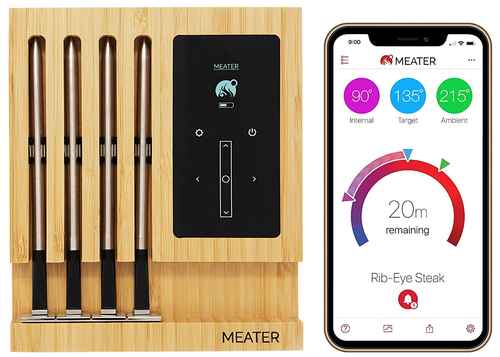
Using a lower temperature allows the internal juices to redistribute naturally, enhancing tenderness and preventing the ham from becoming stringy. High temperatures may shorten cooking time but often compromise moisture retention, resulting in a chewy, dry texture. For glazed hams, this moderate temperature also gives the glaze time to gently caramelize without burning.
Best Cooking Time To Reheat Cooked Ham In Oven
Reheating time depends largely on the size and type of ham. A general guideline is to allow 10 minutes per pound for a whole or half ham at the recommended temperature of 275°F. For smaller portions, such as slices or a ham steak, the process may take as little as 15-20 minutes.
It’s crucial to use a meat thermometer to ensure even heating. The internal temperature of reheated ham should reach 140°F (60°C) for pre-cooked, fully cooked hams. Going beyond this temperature can cause the meat to lose moisture, while heating insufficiently can leave it cold in the center and potentially affect flavor.
How To Reheat Cooked Ham In Oven
- Preparation: Remove the ham from the refrigerator and allow it to sit at room temperature for 20-30 minutes. This step reduces the risk of uneven heating.
- Wrap the ham: Place the ham in a shallow roasting pan and cover it with foil. This helps trap moisture and prevents the surface from drying out.
- Add liquid (optional): For extra juiciness, add a small amount of water, broth, or apple juice to the pan. The steam created during reheating keeps the meat tender.
- Reheat: Place the ham in a preheated oven at 275°F-300°F.
- Check temperature: After the estimated cooking time, insert a meat thermometer into the thickest part of the ham. Once it reaches 140°F, remove it from the oven.
- Rest before slicing: Allow the ham to rest, covered, for 5-10 minutes. This lets juices redistribute, ensuring each slice remains moist.
When Not To Reheat Cooked Ham In The Oven
Avoid reheating ham in the oven if it has been stored improperly or left at room temperature for more than two hours. Bacteria can multiply quickly in these conditions, making the ham unsafe to eat. Also, ham that is already dry or overcooked may not improve with reheating; in such cases, other cooking methods like chopping it into a soup or casserole can salvage the meat.
Reheating Cooked Ham More Than Once
Repeated reheating increases the risk of both bacterial growth and moisture loss. Each cycle dries out the ham slightly and reduces flavor. To minimize this, only reheat the portion you plan to serve and store the remaining ham safely in airtight containers in the refrigerator. It’s generally safe to reheat ham once after initial cooking; multiple reheats are not recommended.
What If I Use A Different Oven Temperature?
Altering the oven temperature impacts both texture and cooking time.
- Higher temperature (325°F-350°F): Ham will heat faster, but there’s a greater chance the edges will dry out before the center is warm.
- Lower temperature (250°F): Slow reheating reduces the risk of dryness but requires significantly more time.
The key is monitoring internal temperature rather than relying strictly on time; a meat thermometer ensures safe and consistent results.
What If I Use A Different Oven Cook Time?
Shorter cook times at lower temperatures will leave the ham underheated, while longer times may overcook and dry it out. Adjusting the time requires attention to the internal temperature rather than the clock. Using foil and adding liquid can help compensate for variations in cook time, keeping the ham moist while still heated thoroughly.
Best Ways To Reheat Cooked Ham
- Oven reheating (recommended): Maintains flavor and texture, especially for larger cuts or glazed hams.
- Microwave (for slices or small portions): Quick but can lead to uneven heating; use low power and cover with a damp paper towel.
- Slow cooker: Ideal for shredded ham or smaller cuts; keeps the meat moist over several hours.
- Stovetop steaming: Good for slices; adds moisture and prevents toughness.
Among these, the oven method remains the most reliable for large, whole, or half hams.
Tips For Optimal Reheating Results
- Cover with foil: Retains moisture and prevents browning from becoming too dark.
- Add liquid: A splash of broth, water, or juice creates steam to keep ham juicy.
- Use a thermometer: Ensure the ham reaches 140°F internally for safety and optimal taste.
- Slice after resting: Cutting immediately after reheating releases juices; waiting ensures moist slices.
- Avoid multiple reheats: Only reheat what you plan to eat to preserve texture and flavor.
FAQs
What Is The Best Oven Temperature To Reheat Cooked Ham?
The ideal oven temperature to reheat cooked ham is 275°F to 300°F (135°C to 150°C). This low and slow method ensures the ham heats evenly without drying out.
Should I Cover The Ham While Reheating In The Oven?
Yes, covering the ham with aluminum foil or a lid helps retain moisture and prevents the surface from drying out during reheating.
How Long Does It Take To Reheat Cooked Ham In The Oven?
Reheating time depends on the size of the ham. As a general guideline, allow 10-15 minutes per pound at 275°F. A 5-pound ham would take approximately 50-75 minutes.
Do I Need To Add Liquid When Reheating Ham In The Oven?
Adding a small amount of liquid, such as water, broth, or juice, to the baking pan can help keep the ham moist. Typically, ½ cup to 1 cup of liquid is sufficient.
Should I Glaze The Ham Before Reheating?
You can glaze the ham before reheating if you want a caramelized surface. Apply the glaze during the last 20-30 minutes of reheating to prevent burning.
Is It Necessary To Preheat The Oven Before Reheating Ham?
Yes, preheating the oven ensures even cooking and helps the ham reach a safe internal temperature more consistently.
How Can I Check If The Ham Is Properly Reheated?
Use a meat thermometer to check the internal temperature. The ham should reach 140°F (60°C) for fully cooked ham. If the ham is previously uncooked, it must reach 165°F (74°C).
Can I Reheat A Spiral-sliced Ham In The Oven?
Yes, spiral-sliced hams can be reheated in the oven. Place them cut-side down, cover with foil, and follow the same temperature and time guidelines. Adding a little liquid can help keep the slices from drying out.
Can I Reheat Ham Directly On The Oven Rack?
It’s better to place the ham in a baking dish or roasting pan rather than directly on the oven rack. This prevents juices from dripping and helps maintain moisture.
How Should Leftover Ham Be Stored Before Reheating?
Store leftover cooked ham in an airtight container or tightly wrapped in foil in the refrigerator. For longer storage, it can be frozen for up to 1-2 months. Always reheat from a refrigerated or thawed state for even heating.