
How To Reheat Whole Turkey In Oven [FULL GUIDE]
Reheating a whole turkey is an art as much as it is a science. After the laborious process of roasting or buying a pre-cooked turkey, the last thing anyone wants is a dry, tough, or unevenly heated meal. Achieving perfectly reheated turkey requires understanding the delicate balance of temperature, timing, and moisture retention. While leftovers may seem simple to warm up, a whole turkey presents unique challenges due to its size, uneven meat density, and tendency to dry out. Whether it’s for a post-holiday feast, a special gathering, or just savoring leftovers, mastering the method of reheating ensures that your turkey remains juicy, flavorful, and safe to eat.
Contents
- 1 Best Temperature To Reheat Whole Turkey In Oven
- 2 Best Cooking Time To Reheat Whole Turkey In Oven
- 3 How To Reheat Whole Turkey In Oven
- 4 When Not To Reheat Whole Turkey In The Oven
- 5 Reheating Whole Turkey More Than Once
- 6 What If I Use A Different Oven Temperature?
- 7 What If I Use A Different Oven Cook Time?
- 8 Best Ways To Reheat Whole Turkey
- 9 Tips For Optimal Reheating Results
- 10 FAQs
- 10.1 What Is The Best Method To Reheat A Whole Turkey In The Oven?
- 10.2 How Long Does It Take To Reheat A Whole Turkey In The Oven?
- 10.3 Should I Cover My Turkey With Foil When Reheating It In The Oven?
- 10.4 Can I Reheat A Whole Frozen Turkey In The Oven?
- 10.5 What Is The Ideal Internal Temperature For A Reheated Turkey?
- 10.6 Should I Add Liquid To The Turkey When Reheating In The Oven?
- 10.7 Can I Reheat A Whole Turkey In The Oven Without Drying It Out?
- 10.8 Is It Safe To Reheat A Whole Turkey Multiple Times?
- 10.9 How Can I Reheat A Whole Turkey Quickly In The Oven?
- 10.10 What Should I Do If My Turkey’s Skin Is No Longer Crispy After Reheating?
Best Temperature To Reheat Whole Turkey In Oven
The key to reheating a whole turkey lies in moderate, controlled heat. Too high a temperature risks drying out the outer layers while leaving the inner portions underheated. Conversely, too low a temperature may prolong the process unnecessarily and allow bacteria to thrive if the turkey remains in the "danger zone" (40°F-140°F) for too long.
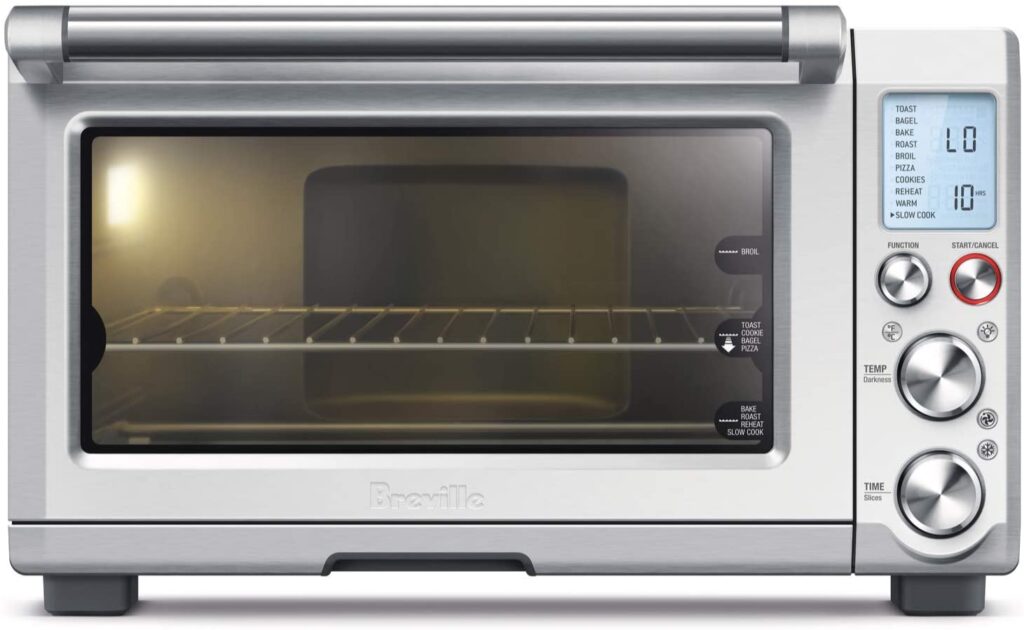
The ideal oven temperature for reheating a whole turkey is 325°F (163°C). This temperature is high enough to gradually and evenly warm the meat while preserving moisture, yet not so hot that it scorches the skin or toughens the meat fibers. Some chefs recommend a slightly lower range of 300°F-325°F for extremely large turkeys, allowing the heat to penetrate deeply without overcooking the outer layers.
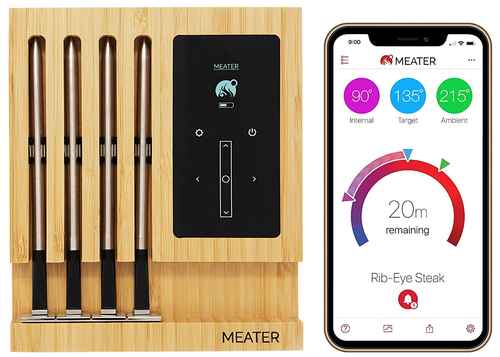
Using an oven thermometer is crucial, as many household ovens fluctuate and can cause uneven results if relied on by dial alone.
Best Cooking Time To Reheat Whole Turkey In Oven
Reheating time depends primarily on the weight of the turkey and whether it is stuffed. As a general guideline:
- For a turkey weighing 8-12 pounds, plan for 1.5-2 hours.
- For a turkey weighing 12-16 pounds, allow 2-2.5 hours.
- For turkeys over 16 pounds, reheating may require 2.5-3 hours or more.
It’s important to note that these times assume the turkey is thawed if previously frozen and that it is loosely covered to prevent moisture loss. The most accurate method to determine doneness is using a meat thermometer. The internal temperature should reach 165°F (74°C) at the thickest part of the breast and 175°F (79°C) in the thigh for safe consumption.
How To Reheat Whole Turkey In Oven
- Preparation: Remove the turkey from the refrigerator and allow it to sit at room temperature for 20-30 minutes. This helps promote even reheating.
- Moisture Retention: Loosely cover the turkey with aluminum foil. For added moisture, pour a few tablespoons of broth, drippings, or melted butter over the turkey.
- Oven Placement: Place the turkey on a roasting pan with a rack to allow even heat circulation. Ensure the oven is preheated to 325°F (163°C).
- Reheating Process: Insert a meat thermometer into the thickest part of the breast and thigh. Heat the turkey until the internal temperature reaches the recommended 165°F (74°C) for the breast and 175°F (79°C) for the thigh.
- Resting: After reheating, tent the turkey with foil and let it rest for 10-15 minutes. This allows the juices to redistribute, keeping the meat tender and flavorful.
When Not To Reheat Whole Turkey In The Oven
While reheating turkey is generally safe, there are scenarios where it should be avoided:
- If the turkey has been left out for more than two hours (or one hour if the room temperature exceeds 90°F). Bacteria can grow rapidly, making the turkey unsafe to eat.
- If the turkey smells sour or has a slimy texture, which indicates spoilage.
- If the turkey has already been reheated once, as repeated reheating increases the risk of bacterial growth and significantly reduces moisture and texture quality.
Reheating Whole Turkey More Than Once
Reheating a turkey more than once is not recommended. Each cycle of heating and cooling exposes the meat to temperatures in the danger zone, where bacteria such as Salmonella and Listeria can multiply. Additionally, multiple reheatings dry out the meat, particularly the breast, leaving a tough, stringy texture. If multiple meals are necessary, it is safer to carve the turkey into portions and reheat individual slices as needed rather than reheating the whole bird repeatedly.
What If I Use A Different Oven Temperature?
Adjusting the oven temperature affects both the texture and safety of the turkey:
- Higher temperatures (350°F-375°F): Reheats faster but increases the risk of drying out the meat and crisping the skin too much before the interior is heated thoroughly.
- Lower temperatures (275°F-300°F): More gentle and preserves moisture but requires longer cooking time, which may be inconvenient.
Regardless of temperature, always monitor the internal temperature to ensure the turkey reaches the safe minimum.
What If I Use A Different Oven Cook Time?
Altering cook time without adjusting temperature can lead to uneven results:
- Shorter cook time: May leave the interior cold while the exterior overheats.
- Longer cook time: Can dry out the meat even if the oven temperature is low.
Using a meat thermometer is the only reliable method to judge when the turkey is safe and properly reheated.
Best Ways To Reheat Whole Turkey
Some of the most effective methods to reheat a turkey include:
- Oven Reheating (Whole): Ensures even heat distribution, preserves moisture, and is ideal for large gatherings.
- Oven Reheating (Sliced): Carving the turkey into slices and placing them in a covered dish with broth allows faster, more controlled reheating.
- Slow Cooker or Crockpot: Ideal for shredded or boneless portions, keeping the meat moist while infusing additional flavor.
- Microwave: Best for small portions; however, microwaves heat unevenly and can dry out the meat if overdone.
Tips For Optimal Reheating Results
- Add moisture: Pouring turkey stock, drippings, or a butter mixture over the turkey helps prevent dryness.
- Use foil: Loosely covering the turkey traps steam, promoting even heating.
- Monitor temperature: Always rely on a meat thermometer, not visual cues, for safety and quality.
- Consider carving: Slicing before reheating can save time and maintain juiciness.
- Rest after reheating: Let the turkey sit for 10-15 minutes to redistribute juices before serving.
FAQs
What Is The Best Method To Reheat A Whole Turkey In The Oven?
The best method is to reheat the turkey in a preheated oven at 325°F (165°C). Cover the turkey with aluminum foil to retain moisture and heat for about 1.5 to 2 hours, or until the internal temperature reaches 165°F (74°C) when checked with a meat thermometer.
How Long Does It Take To Reheat A Whole Turkey In The Oven?
It typically takes 1.5 to 2 hours to reheat a whole turkey in the oven at 325°F (165°C). However, the time may vary depending on the size of the turkey and whether it’s been refrigerated or frozen.
Should I Cover My Turkey With Foil When Reheating It In The Oven?
Yes, covering the turkey with aluminum foil helps to lock in moisture and prevent the meat from drying out while reheating. You can uncover it for the last 15 minutes to crisp up the skin.
Can I Reheat A Whole Frozen Turkey In The Oven?
It’s not recommended to reheat a whole frozen turkey in the oven. The best approach is to thaw it in the refrigerator for 24 hours per 4-5 pounds of turkey before reheating. Reheating a frozen turkey can lead to uneven heating and an extended cooking time.
What Is The Ideal Internal Temperature For A Reheated Turkey?
The ideal internal temperature for a reheated turkey is 165°F (74°C) to ensure it is safe to eat and fully heated. Always use a meat thermometer to check the temperature in the thickest part of the breast and thigh.
Should I Add Liquid To The Turkey When Reheating In The Oven?
While it’s not absolutely necessary, adding a small amount of liquid, such as broth or water, to the bottom of the roasting pan can help maintain moisture during reheating. This can also create a flavorful steam that keeps the turkey from drying out.
Can I Reheat A Whole Turkey In The Oven Without Drying It Out?
To avoid drying out the turkey, ensure it is properly covered with aluminum foil during reheating and keep the oven temperature low at 325°F (165°C). Also, basting the turkey with its own juices or a little butter every 30 minutes can help retain moisture.
Is It Safe To Reheat A Whole Turkey Multiple Times?
It’s not recommended to reheat a whole turkey multiple times. Repeated reheating can cause the turkey to dry out and may increase the risk of foodborne illness. It’s safer to reheat only the portion you plan to eat at a time.
How Can I Reheat A Whole Turkey Quickly In The Oven?
Reheating a whole turkey quickly is not advised, as it may lead to uneven heating and dry meat. However, if you need to speed up the process, you can slice the turkey into smaller pieces, which will reheat faster, or use the oven at 350°F (175°C) for about 1 hour.
What Should I Do If My Turkey’s Skin Is No Longer Crispy After Reheating?
To regain some crispiness on the skin, remove the aluminum foil during the last 15-20 minutes of reheating. If it’s still not crispy, you can place the turkey under the broiler for 3-5 minutes, but watch it closely to avoid burning.