
How To Reheat Spiral Ham In Oven [FULL GUIDE]
Spiral ham, with its rich flavor, tender texture, and eye-catching presentation, is a centerpiece in many celebratory meals. Its pre-sliced, spiral-cut design makes it easy to serve, but it also poses a challenge when it comes to reheating. Unlike fresh meat, reheating spiral ham requires careful attention to temperature and time to avoid drying out the delicate slices while ensuring the meat is safely warmed. The goal is to revive its natural juiciness, enhance its flavor, and maintain the succulent texture that makes spiral ham such a favorite during holidays and gatherings. Understanding the nuances of reheating this type of ham in the oven can make the difference between a dry, tough meal and a juicy, flavorful centerpiece worthy of second helpings.
Contents
- 1 Best Temperature To Reheat Spiral Ham In Oven
- 2 Best Cooking Time To Reheat Spiral Ham In Oven
- 3 How To Reheat Spiral Ham In Oven
- 4 When Not To Reheat Spiral Ham In The Oven
- 5 Reheating Spiral Ham More Than Once
- 6 What If I Use A Different Oven Temperature?
- 7 What If I Use A Different Oven Cook Time?
- 8 Best Ways To Reheat Spiral Ham
- 9 Tips For Optimal Reheating Results
- 10 FAQs
- 10.1 What Is The Best Temperature To Reheat Spiral Ham In The Oven?
- 10.2 How Long Does It Take To Reheat Spiral Ham In The Oven?
- 10.3 Should I Cover The Spiral Ham While Reheating It In The Oven?
- 10.4 Do I Need To Add Any Liquid When Reheating Spiral Ham In The Oven?
- 10.5 How Can I Prevent Spiral Ham From Drying Out In The Oven?
- 10.6 Should I Reheat Spiral Ham With Or Without The Glaze?
- 10.7 Can I Reheat Spiral Ham From Frozen In The Oven?
- 10.8 How Do I Check If The Spiral Ham Is Fully Reheated?
- 10.9 Is It Better To Reheat Spiral Ham In The Oven Or Microwave?
- 10.10 Can I Reheat A Spiral Ham In The Oven Without Foil?
Best Temperature To Reheat Spiral Ham In Oven
The key to perfectly reheating spiral ham lies in gentle, even heat. The ideal oven temperature is 275°F to 300°F (135°C to 150°C). This low and slow approach allows the ham to warm evenly without overcooking the outer edges or drying out the thin slices. Spiral hams are already fully cooked during processing, meaning your goal is not to cook the meat, but to bring it up to a safe, enjoyable eating temperature while preserving moisture.
Using higher temperatures may seem like a faster solution, but it risks hardening the meat and causing the glaze to burn. Conversely, too low a temperature might extend the heating time unnecessarily, potentially cooling the ham before it reaches an appetizing temperature. For glazing purposes, a slightly higher temperature toward the end of reheating can help caramelize sugars without compromising texture.
Best Cooking Time To Reheat Spiral Ham In Oven
Reheating time depends on the ham’s weight and whether it is bone-in or boneless. A general guideline is 10 to 12 minutes per pound at 275°F to 300°F. For example, a 6-pound spiral ham would take roughly 60 to 75 minutes.
For optimal results, always check the internal temperature using a food thermometer. Spiral ham should reach around 140°F (60°C) internally. This ensures it’s hot enough to be safe to eat while maintaining juiciness. Shortening the time may result in cold centers, while extending it too long can dry out the slices.
How To Reheat Spiral Ham In Oven
- Preparation: Remove the ham from its packaging and place it on a baking sheet or roasting pan. For even heating, cover the ham loosely with foil to prevent moisture from escaping.
- Add Moisture: Lightly brushing the ham with a glaze, stock, or water helps prevent it from drying out during reheating.
- Oven Placement: Place the ham in the preheated oven at 275°F-300°F. Position it in the center rack to ensure even heat circulation.
- Reheating: Heat for about 10-12 minutes per pound, checking occasionally. Baste the ham with any remaining glaze every 20-30 minutes for extra flavor and moisture.
- Finishing Touch: If you want a caramelized glaze, remove the foil during the last 10-15 minutes and increase the oven temperature slightly to 325°F-350°F. Watch carefully to avoid burning.
When Not To Reheat Spiral Ham In The Oven
While reheating spiral ham in the oven is convenient, there are situations where it’s better to avoid it:
- Already Dry or Overcooked Ham: Reheating can exacerbate dryness. Alternative methods, like slow simmering in liquid, may be preferable.
- Small Portions: For single servings, microwave reheating or stovetop warming may be faster and prevent overcooking.
- Glaze Sensitivity: Delicate glazes that can easily burn may require alternative methods, such as covering with foil or reheating at very low temperatures.
Reheating Spiral Ham More Than Once
Repeated reheating is strongly discouraged. Every cycle of heat exposure draws moisture out of the meat, making it dry, tough, and less flavorful. Additionally, food safety guidelines recommend heating fully cooked meat only once to prevent bacterial growth. If you have leftovers after the first reheating, store them in airtight containers in the refrigerator and only reheat small portions at a time.
What If I Use A Different Oven Temperature?
Using a higher oven temperature (above 325°F) will speed up reheating, but the edges and glaze may overcook before the center warms thoroughly. Conversely, using a lower temperature (below 275°F) will slow the process, potentially keeping the ham in the danger zone (40°F-140°F) for too long, which can be unsafe. If you must deviate from the recommended 275°F-300°F, adjust the cooking time proportionally and monitor the internal temperature closely.
What If I Use A Different Oven Cook Time?
Shortening the reheating time may result in uneven warming, with cold centers in thicker slices. Extending the cook time beyond what is recommended risks drying out the ham and toughening the meat. Always rely on a food thermometer to guide you rather than the clock alone. Remember: it’s better to go slower and check frequently than rush the process.
Best Ways To Reheat Spiral Ham
While the oven is the most common method, other approaches include:
- Slow Cooker: Great for preserving moisture. Add a little liquid and heat on low for several hours.
- Microwave: Best for small portions. Cover with a microwave-safe lid or damp paper towel to retain moisture.
- Stovetop: Warm slices in a skillet with a little broth or glaze to prevent drying.
Among these, the oven remains the gold standard for large spiral hams, balancing flavor, texture, and presentation.
Tips For Optimal Reheating Results
- Cover Loosely With Foil: Retains moisture and prevents burning.
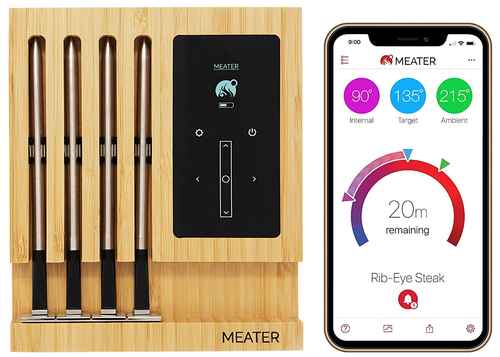
- Use a Meat Thermometer: Avoids over- or under-heating.
- Baste Regularly: Keeps the ham moist and enhances flavor.
- Let Rest Before Slicing: A 10-15 minute rest allows juices to redistribute.
- Avoid Overcrowding the Oven: Ensures even heat distribution.
- Finish Glaze at the End: Apply a final layer during the last 10-15 minutes for a caramelized finish.
FAQs
What Is The Best Temperature To Reheat Spiral Ham In The Oven?
The best temperature to reheat spiral ham in the oven is 325°F (165°C). This ensures that the ham is heated evenly and doesn’t dry out.
How Long Does It Take To Reheat Spiral Ham In The Oven?
Reheating spiral ham in the oven usually takes about 10-15 minutes per pound, depending on the size and whether the ham is pre-sliced or whole.
Should I Cover The Spiral Ham While Reheating It In The Oven?
Yes, it’s recommended to cover the spiral ham with aluminum foil while reheating it. This helps retain moisture and prevents the ham from drying out.
Do I Need To Add Any Liquid When Reheating Spiral Ham In The Oven?
Adding liquid, such as water, broth, or a glaze, can help keep the ham moist. A cup of liquid in the roasting pan is often sufficient.
How Can I Prevent Spiral Ham From Drying Out In The Oven?
To prevent drying out, reheat the ham at a low temperature (325°F), cover it with foil, and add a moisture-retaining liquid. You can also baste the ham occasionally while reheating.
Should I Reheat Spiral Ham With Or Without The Glaze?
It’s best to apply the glaze during the last 20-30 minutes of reheating to avoid burning the glaze and to ensure it caramelizes nicely.
Can I Reheat Spiral Ham From Frozen In The Oven?
Yes, you can reheat spiral ham from frozen, but it will take longer. It’s recommended to thaw the ham in the refrigerator overnight for best results before reheating.
How Do I Check If The Spiral Ham Is Fully Reheated?
Use a meat thermometer to check the internal temperature. The ham should reach 140°F (60°C) for optimal safety and flavor.
Is It Better To Reheat Spiral Ham In The Oven Or Microwave?
Reheating spiral ham in the oven is generally preferred because it retains more moisture and flavor. The microwave can cause the ham to dry out and become tough.
Can I Reheat A Spiral Ham In The Oven Without Foil?
While it’s possible to reheat a spiral ham without foil, it is not recommended. Foil helps keep the ham moist by trapping steam and preventing the meat from drying out.