
How To Reheat Beef Wellington In Oven [FULL GUIDE]
Beef Wellington is one of those dishes that feels almost too luxurious to have leftovers. With its layers of golden puff pastry, savory mushroom duxelles, delicate prosciutto, and perfectly cooked beef tenderloin, reheating it can feel risky. One wrong move and you end up with a soggy crust or gray, overcooked beef.
The key is gentle, controlled heat that warms the center without destroying the pastry or pushing the beef past medium. An oven – not a microwave – is your best tool. Done right, reheated Beef Wellington can still taste remarkably close to freshly baked.
Contents
- 1 Best Temperature To Reheat Beef Wellington In Oven
- 2 Best Cooking Time To Reheat Beef Wellington In Oven
- 3 How To Reheat Beef Wellington In Oven
- 4 When Not To Reheat Beef Wellington In The Oven
- 5 Reheating Beef Wellington More Than Once
- 6 What If I Use A Different Oven Temperature?
- 7 What If I Use A Different Oven Cook Time?
- 8 Best Ways To Reheat Beef Wellington
- 9 Tips For Optimal Reheating Results
- 10 FAQs
- 10.1 What Is The Best Oven Temperature To Reheat Beef Wellington?
- 10.2 Should I Cover Beef Wellington With Foil When Reheating?
- 10.3 How Long Does It Take To Reheat Beef Wellington In The Oven?
- 10.4 Can I Reheat Beef Wellington From Frozen?
- 10.5 Is It Better To Slice The Beef Wellington Before Reheating?
- 10.6 How Can I Prevent The Pastry From Becoming Soggy?
- 10.7 Can I Use A Convection Oven To Reheat Beef Wellington?
- 10.8 What Internal Temperature Should The Beef Reach When Reheating?
- 10.9 Can I Add Moisture When Reheating Beef Wellington?
- 10.10 How Do I Know When The Beef Wellington Is Properly Reheated?
Best Temperature To Reheat Beef Wellington In Oven
The Sweet Spot: 250°F To 275°F (120°C To 135°C)
This low, steady temperature is crucial. Beef Wellington is already fully cooked. You’re not trying to cook it again – just warm it through.
Why low heat works best:
- Prevents overcooking the beef – High heat quickly drives the internal temperature up, turning a once-medium center into well-done.
- Protects the pastry – Puff pastry burns fast on the outside before the inside warms if the oven is too hot.
- Allows even reheating – Gentle heat penetrates gradually, warming the center without shocking the outer layers.
Avoid reheating above 300°F (150°C) unless you are only trying to re-crisp pastry and are willing to risk more doneness in the beef.
Best Cooking Time To Reheat Beef Wellington In Oven
Cooking time depends on thickness and whether it’s a full portion or a slice.
General Guidelines
- Individual slice (1-2 inches thick): 15-25 minutes
- Large portion or half Wellington: 25-40 minutes
- Whole small Wellington: 35-50 minutes
The real goal is internal temperature, not the clock.
- Ideal reheated internal temp: 90-110°F (32-43°C) for medium-rare originally
- Slightly warmer if originally medium, but try not to exceed 120°F (49°C) or you risk further cooking
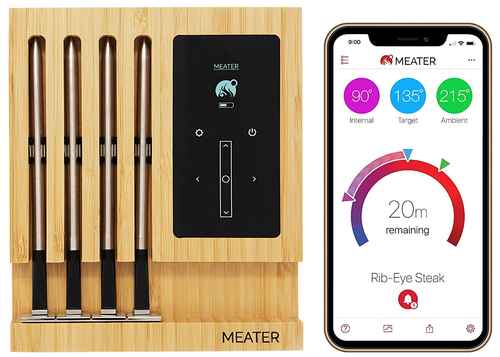
Use an instant-read thermometer inserted into the center from the side if possible.
How To Reheat Beef Wellington In Oven
Follow this method for the best balance of warm center and crisp pastry.
Step 1: Take It Out Of The Fridge
Let the Wellington sit at room temperature for 20-30 minutes. This reduces the temperature gap between the exterior and interior, promoting even reheating.
Step 2: Preheat The Oven
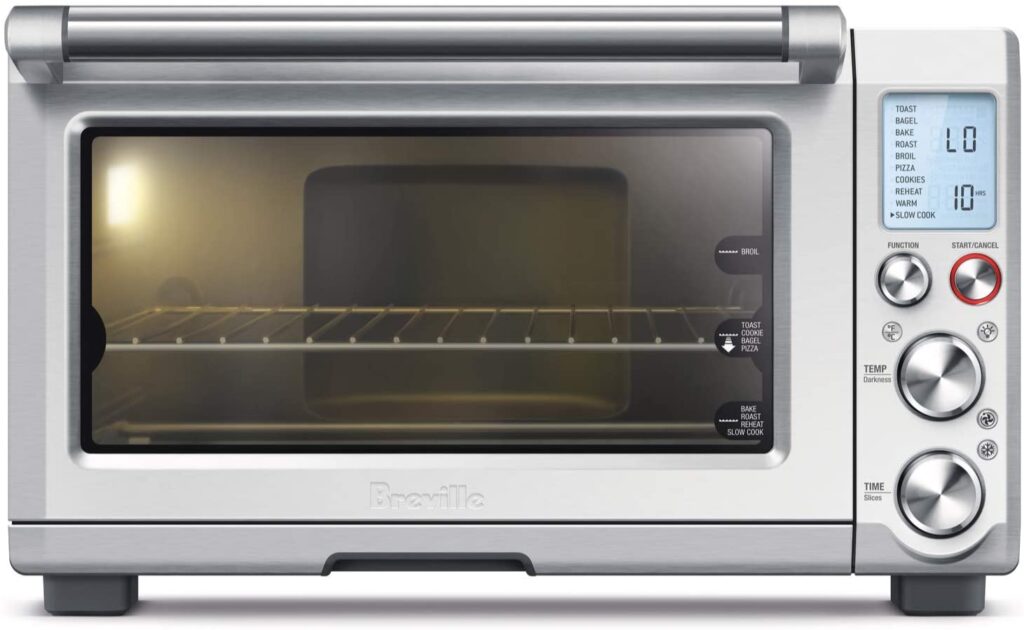
Set oven to 250-275°F (120-135°C). Make sure it’s fully preheated before the Wellington goes in.
Step 3: Prepare The Pastry
Place the Wellington on a wire rack over a baking sheet if possible. This allows air circulation and helps keep the bottom from getting soggy.
Do not wrap it in foil tightly. That traps steam and softens the pastry.
If the top is already very dark, you can loosely tent foil on top only.
Step 4: Reheat Gently
Place in the middle of the oven and heat according to thickness (see timing above).
Step 5: Optional Final Crisp
If the pastry needs more crispness after the inside is warm:
- Increase heat briefly to 375°F (190°C) for 3-5 minutes, watching closely.
Step 6: Rest Briefly
Let it rest 5 minutes before slicing. This helps juices settle and prevents the pastry from shattering.
When Not To Reheat Beef Wellington In The Oven
There are situations where reheating may not be worth it – or safe.
Do not reheat if:
- It has been left at room temperature over 2 hours
- It smells sour, stale, or ’off’
- The pastry is already extremely soggy and oil-soaked
- It’s more than 3-4 days old in the fridge
Also reconsider reheating if the beef was originally rare. Reheating almost always pushes doneness further.
Reheating Beef Wellington More Than Once
This is strongly discouraged.
Each reheating cycle:
- Pushes the beef further toward well-done
- Releases more moisture into the pastry, making it soggy
- Increases food safety risk
If you have multiple portions, only reheat what you plan to eat. Keep the rest refrigerated and untouched.
What If I Use A Different Oven Temperature?
Higher Temperature (325-400°F / 165-200°C)
- Faster reheating
-
Much higher risk of:
- Overcooked beef
- Burnt pastry
- Dry edges with a still-cool center
This method works only if the slice is very thin and you monitor it constantly.
Lower Temperature (Below 225°F / 107°C)
- Extremely gentle
- May take a very long time
- Pastry may soften before it re-crisps
Good for preserving doneness, but you may need a short high-heat finish.
What If I Use A Different Oven Cook Time?
Too Short
- Outside feels warm
- Center remains cold
- Pastry may seem crisp but interior is disappointing
Too Long
- Beef shifts from pink to gray
- Juices leak into pastry
- Bottom crust turns damp or greasy
Time is flexible – temperature control and checking internal warmth are what matter most.
Best Ways To Reheat Beef Wellington
Ranked from best to worst:
-
Low Oven Method (best Overall)
Most control, best pastry preservation.
-
Oven + Quick High-heat Finish
Great when pastry needs reviving.
-
Air Fryer (careful Use)
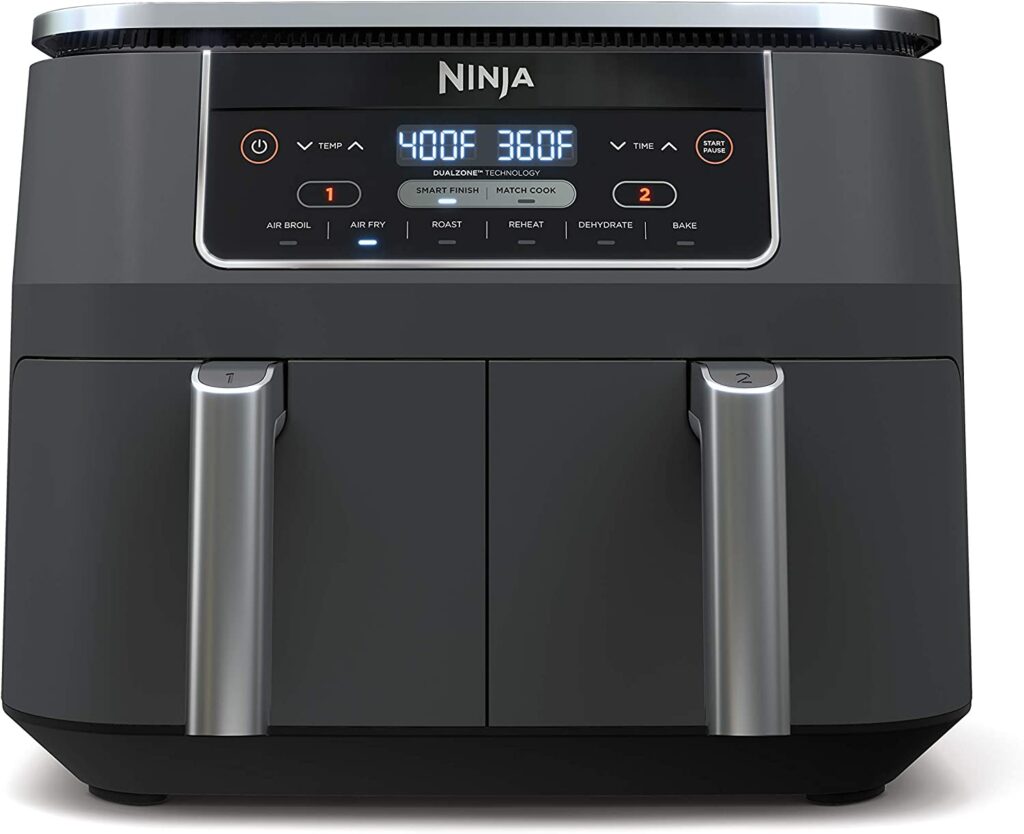
Can re-crisp pastry well, but very easy to overcook beef. Use low temp (around 250°F) and short bursts.
-
Skillet + Oven Combo
Brief skillet crisp on bottom, then low oven warm-through. Advanced but effective.
Avoid microwave reheating unless you accept soft pastry and uneven heating.
Tips For Optimal Reheating Results
- Always use a wire rack if possible
- Never seal in foil – steam ruins puff pastry
- Reheat slices separately, not stacked
- Use a thermometer instead of guessing
- Let rest after reheating just like you would after cooking
- If serving with sauce, warm the sauce separately and spoon over after reheating – never bake it on
FAQs
What Is The Best Oven Temperature To Reheat Beef Wellington?
The ideal oven temperature for reheating beef wellington is between 250°F and 275°F (120°C to 135°C). This lower temperature helps warm the dish evenly without overcooking the beef or burning the pastry.
Should I Cover Beef Wellington With Foil When Reheating?
Yes, covering the beef wellington loosely with aluminum foil prevents the pastry from becoming too dark while allowing the interior to heat evenly. Remove the foil in the last 5-10 minutes to crisp the pastry.
How Long Does It Take To Reheat Beef Wellington In The Oven?
Reheating typically takes 20-30 minutes for a standard-sized beef wellington, depending on the thickness of the meat and pastry. Check that the internal temperature reaches around 120°F-125°F (49°C-52°C) for rare to medium-rare.
Can I Reheat Beef Wellington From Frozen?
Yes, but it requires a longer reheating time. Preheat the oven to 275°F (135°C) and bake covered for 40-50 minutes, then uncover for the last 10 minutes to crisp the pastry. Ensure the internal temperature reaches a safe level before serving.
Is It Better To Slice The Beef Wellington Before Reheating?
It is generally better to reheat it whole. Slicing first can cause the beef to dry out. Reheat whole and slice only after warming to preserve juiciness and the integrity of the pastry.
How Can I Prevent The Pastry From Becoming Soggy?
Using a lower oven temperature, reheating covered, and removing the foil near the end to crisp the pastry are key steps. Avoid microwaving, which can make the pastry soggy.
Can I Use A Convection Oven To Reheat Beef Wellington?
Yes, a convection oven works well. Reduce the temperature by 25°F (about 15°C) compared to a conventional oven and check frequently to avoid over-browning the pastry.
What Internal Temperature Should The Beef Reach When Reheating?
For rare to medium-rare beef wellington, aim for an internal temperature of 120°F-125°F (49°C-52°C). For medium, 130°F-135°F (54°C-57°C) is acceptable. Avoid exceeding 140°F to prevent overcooking.
Can I Add Moisture When Reheating Beef Wellington?
Adding a small splash of beef stock or water to the baking dish and covering with foil can help retain moisture, but avoid soaking the pastry directly to prevent it from becoming soggy.
How Do I Know When The Beef Wellington Is Properly Reheated?
Check the internal temperature with a meat thermometer and inspect the pastry. It should be golden and crisp on the outside, and the beef should feel warm but still tender and juicy inside.