
How To Reheat Ribs In Oven [FULL GUIDE]
Few culinary experiences rival the savory, smoky, and tender delight of perfectly cooked ribs. Whether slathered in a tangy barbecue sauce or dry-rubbed with a blend of spices, ribs captivate the senses with their rich flavors and melt-in-your-mouth texture. But what happens when you have leftover ribs, or perhaps you cooked too many to enjoy in a single sitting? The solution lies in reheating-carefully, thoughtfully, and strategically. Reheating ribs in the oven is often the preferred method because it allows for gentle, even warming that preserves moisture, flavor, and tenderness. Done incorrectly, however, reheated ribs can become dry, tough, or flavorless. This guide delves into the nuances of oven reheating, providing precise temperatures, cooking times, and expert techniques to ensure your ribs remain as delectable as when they first came off the grill or smoker.
Contents
- 1 Best Temperature To Reheat Ribs In Oven
- 2 Best Cooking Time To Reheat Ribs In Oven
- 3 How To Reheat Ribs In Oven
- 4 When Not To Reheat Ribs In The Oven
- 5 Reheating Ribs More Than Once
- 6 What If I Use A Different Oven Temperature?
- 7 What If I Use A Different Oven Cook Time?
- 8 Best Ways To Reheat Ribs
- 9 Tips For Optimal Reheating Results
- 10 FAQs
- 10.1 What Is The Best Temperature To Reheat Ribs In The Oven?
- 10.2 How Long Does It Take To Reheat Ribs In The Oven?
- 10.3 Should I Cover The Ribs While Reheating Them In The Oven?
- 10.4 Can I Reheat Ribs Directly From The Fridge In The Oven?
- 10.5 Is It Necessary To Add Any Liquid When Reheating Ribs In The Oven?
- 10.6 How Can I Prevent My Ribs From Drying Out When Reheating?
- 10.7 Can I Reheat Baby Back Ribs In The Oven?
- 10.8 How Do I Reheat Ribs In The Oven If They Are Sauced?
- 10.9 Can I Reheat Ribs In The Oven With A Grill Finish?
- 10.10 How Can I Tell When My Ribs Are Fully Reheated?
Best Temperature To Reheat Ribs In Oven
Temperature control is paramount when reheating ribs. The goal is to warm the meat thoroughly without overcooking it, which can dry out the already cooked protein.
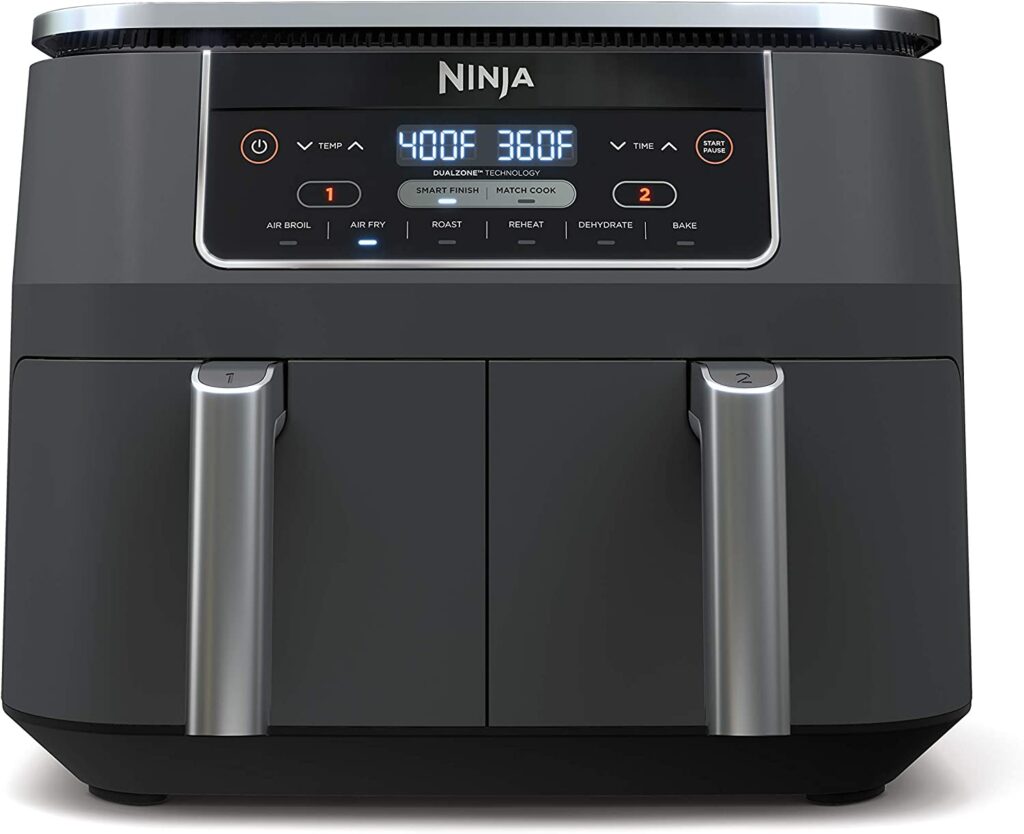
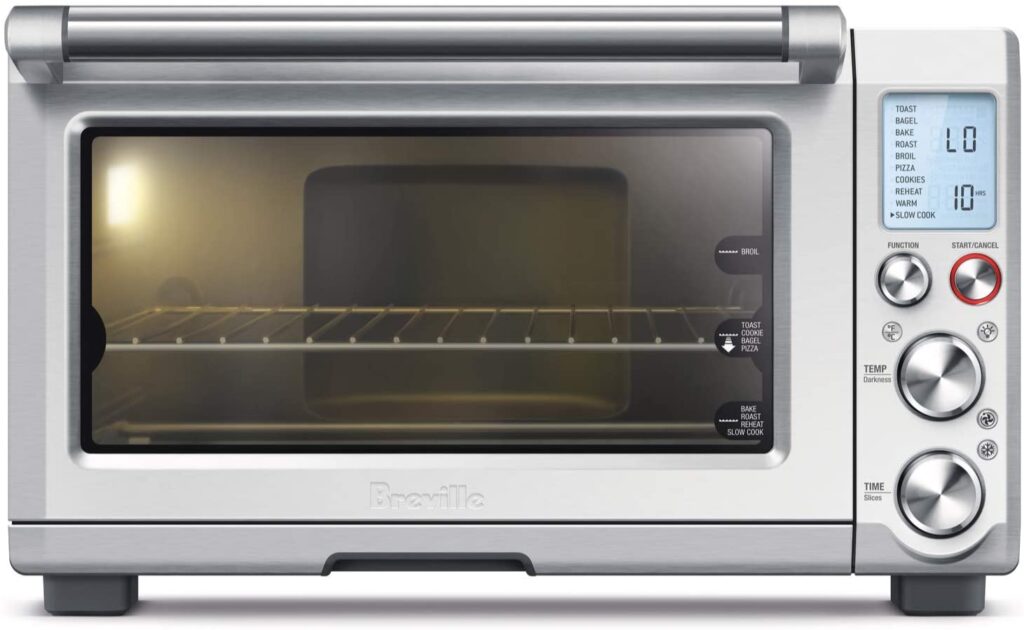
The ideal oven temperature for reheating ribs is 275°F (135°C). This moderate heat ensures the ribs reheat evenly while keeping the meat tender and succulent. Higher temperatures, such as 350°F or 400°F, can quickly overcook the ribs, causing the fat to render too rapidly and the meat fibers to stiffen. Conversely, reheating at too low a temperature, below 250°F, can prolong the cooking process unnecessarily and risk uneven heating.
For particularly thick ribs or bone-in varieties, you may consider starting at 275°F and then lowering to 250°F after about 10 minutes to maintain a gentle, consistent heat that penetrates the meat without drying it.
Best Cooking Time To Reheat Ribs In Oven
Cooking time is closely tied to the size, thickness, and previous cooking method of the ribs. Typically, 20-30 minutes is sufficient for standard baby back or spare ribs, provided they are covered to retain moisture.
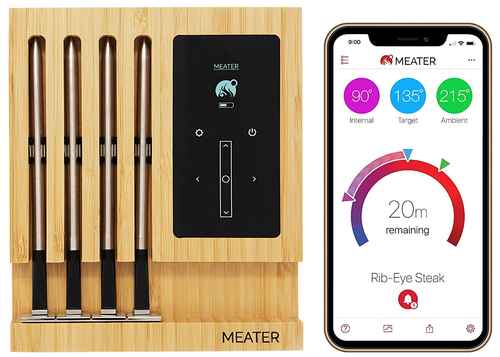
For larger slabs or particularly dense cuts, you may require 35-40 minutes. The key indicator is that the internal temperature of the ribs reaches around 145°F-165°F (63°C-74°C). This temperature range ensures the ribs are heated safely while retaining their juiciness. Use a meat thermometer for precision, as relying solely on time can result in either underheated or overcooked meat.
How To Reheat Ribs In Oven
Reheating ribs properly involves a few critical steps:
- Preheat your oven to 275°F (135°C).
- Prepare the ribs by brushing them lightly with a bit of water, broth, or additional barbecue sauce to maintain moisture.
- Wrap the ribs in foil to create a steam pocket, which prevents the meat from drying out. This step is especially crucial for leftover ribs that have been refrigerated.
- Place the foil-wrapped ribs on a baking sheet or in a shallow pan to catch any drippings.
- Bake for 20-30 minutes, checking the internal temperature after 20 minutes. Adjust timing as needed depending on rib thickness.
- Optional step for crispiness: After the ribs are heated through, unwrap them and broil for 2-3 minutes to caramelize the sauce or create a slight crust.
This method ensures ribs are warm, tender, and flavorful-nearly indistinguishable from freshly cooked ribs.
When Not To Reheat Ribs In The Oven
While oven reheating is generally safe and effective, there are scenarios where it is not recommended:
- Ribs that have been left at room temperature for more than 2 hours should not be reheated, as bacteria can proliferate.
- Ribs that are already dry or overcooked may worsen in the oven; alternative methods like a moist stovetop steam or slow cooker may be preferable.
- Repeated freezing and thawing can compromise meat quality; reheating after multiple freeze-thaw cycles often results in dry, rubbery ribs.
Understanding these limitations ensures you avoid unpleasant textures or food safety hazards.
Reheating Ribs More Than Once
Reheating ribs more than once is strongly discouraged. Each cycle of reheating reduces moisture and breaks down the meat fibers, resulting in toughness and diminished flavor. Additionally, repeated reheating increases the risk of bacterial growth if the food does not reach the proper internal temperature each time.
If you anticipate multiple servings, it’s best to reheat only the portion you intend to eat and store the remainder safely in the refrigerator or freezer until needed.
What If I Use A Different Oven Temperature?
Adjusting the oven temperature can drastically alter the outcome of your reheated ribs.
- Higher temperatures (325°F-350°F): Ribs will heat faster but may dry out or toughen, especially at the edges. They may also require more frequent monitoring to avoid overcooking.
- Lower temperatures (225°F-250°F): Provide gentle warming and excellent moisture retention but require longer cooking times, which may not be convenient if you are pressed for time.
In short, temperature changes demand careful balancing of time and moisture management.
What If I Use A Different Oven Cook Time?
Cooking time is equally crucial. Too short a reheating period may leave the ribs cold or unevenly heated, while too long can dry them out. Always aim for internal temperature rather than elapsed time as the true measure of doneness. Longer cooking can be mitigated by wrapping ribs tightly in foil and adding liquid to maintain moisture.
Best Ways To Reheat Ribs
While the oven is the most reliable method, other techniques exist:
- Slow Cooker: Provides gentle, even heat and preserves moisture, ideal for very tender ribs.
- Microwave (with caution): Quick but can cause uneven heating and drying. Always cover with a microwave-safe lid and use short bursts of heat.
- Grill: Reheats while adding a smoky char, excellent if you want to recreate the fresh-grilled experience.
Each method has trade-offs, but the oven offers the best combination of consistency, flavor retention, and texture preservation.
Tips For Optimal Reheating Results
- Wrap ribs tightly in foil to trap moisture and prevent drying.
- Add a splash of liquid-water, broth, or barbecue sauce-before sealing the foil.
- Check internal temperature to avoid under- or overheating.
- Broil briefly at the end if you desire a caramelized exterior.
- Reheat only what you will consume to prevent quality degradation.
- Allow a brief resting period after reheating to let juices redistribute.
Following these strategies transforms leftover ribs into a meal that rivals their original glory.
FAQs
What Is The Best Temperature To Reheat Ribs In The Oven?
The ideal temperature to reheat ribs in the oven is around 250°F (120°C). This low and slow approach ensures the ribs stay moist and tender without drying out.
How Long Does It Take To Reheat Ribs In The Oven?
Reheating ribs in the oven usually takes 20 to 30 minutes, depending on the thickness of the ribs and the amount being reheated. It’s important to check periodically to avoid overcooking.
Should I Cover The Ribs While Reheating Them In The Oven?
Yes, covering the ribs with aluminum foil while reheating helps retain moisture, preventing them from drying out. This also allows the ribs to heat evenly.
Can I Reheat Ribs Directly From The Fridge In The Oven?
Yes, you can reheat ribs directly from the fridge. However, it’s best to let them sit at room temperature for about 15 to 20 minutes before reheating to ensure even cooking.
Is It Necessary To Add Any Liquid When Reheating Ribs In The Oven?
While it is not absolutely necessary, adding a small amount of liquid, such as water, broth, or barbecue sauce, can help keep the ribs moist during the reheating process.
How Can I Prevent My Ribs From Drying Out When Reheating?
To prevent ribs from drying out, cover them with foil, reheat them at a low temperature (250°F), and optionally add a moisture-retaining liquid like water or barbecue sauce before wrapping them in foil.
Can I Reheat Baby Back Ribs In The Oven?
Yes, baby back ribs can be reheated in the oven just like spare ribs. The process is the same: cover with foil and heat at a low temperature to keep them tender.
How Do I Reheat Ribs In The Oven If They Are Sauced?
If the ribs are sauced, it’s best to cover them with foil to prevent the sauce from burning. Reheat them at 250°F, and you can add extra sauce if necessary once they are heated through.
Can I Reheat Ribs In The Oven With A Grill Finish?
Yes, you can reheat ribs in the oven and then finish them off under a broiler for a few minutes to caramelize the sauce and get a nice crispy exterior. Make sure to watch them closely to avoid burning.
How Can I Tell When My Ribs Are Fully Reheated?
To check if the ribs are fully reheated, use a meat thermometer. The internal temperature should reach at least 165°F (74°C). Alternatively, you can cut into the ribs to ensure the meat is hot throughout.