
How To Reheat Biscuits In Oven [FULL GUIDE]
Few things rival the warm, comforting aroma of freshly baked biscuits. Their golden crusts, tender interiors, and delicate flakiness make them a beloved treat at breakfast tables and dinner spreads alike. However, not every biscuit is consumed fresh from the oven. Leftover biscuits can quickly lose their luster, turning dry or tough if not reheated properly. The oven, with its ability to provide steady, even heat, is widely considered the best method for restoring biscuits to their original texture and flavor. But achieving that perfect warmth without sacrificing moisture requires careful attention to temperature, time, and technique. In this guide, we’ll explore every nuance of reheating biscuits in the oven, ensuring they come out soft, fluffy, and delicious every time.
Contents
- 1 Best Temperature To Reheat Biscuits In Oven
- 2 Best Cooking Time To Reheat Biscuits In Oven
- 3 How To Reheat Biscuits In Oven
- 4 When Not To Reheat Biscuits In The Oven
- 5 Reheating Biscuits More Than Once
- 6 What If I Use A Different Oven Temperature?
- 7 What If I Use A Different Oven Cook Time?
- 8 Best Ways To Reheat Biscuits
- 9 Tips For Optimal Reheating Results
- 10 FAQs
- 10.1 What Is The Best Method To Reheat Biscuits In The Oven?
- 10.2 How Do I Prevent Biscuits From Becoming Dry When Reheating Them In The Oven?
- 10.3 Can I Reheat Frozen Biscuits In The Oven?
- 10.4 How Long Does It Take To Reheat Biscuits In The Oven?
- 10.5 Should I Reheat Biscuits Covered Or Uncovered In The Oven?
- 10.6 Can I Add Butter Or Other Toppings While Reheating Biscuits?
- 10.7 Is It Possible To Reheat Multiple Biscuits At Once In The Oven?
- 10.8 Can I Reheat Biscuits On A Baking Sheet Without Foil?
- 10.9 How Can I Reheat Leftover Biscuits Without Them Getting Soggy?
- 10.10 Can I Reheat Biscuits In The Oven After They Have Been Stored In The Fridge?
Best Temperature To Reheat Biscuits In Oven
Temperature is the most critical factor in reviving biscuits. Too high, and the exterior may burn while the interior remains cold; too low, and the biscuit may dry out before it warms through. For most biscuits, a moderate oven temperature of 325°F (163°C) to 350°F (177°C) is ideal.

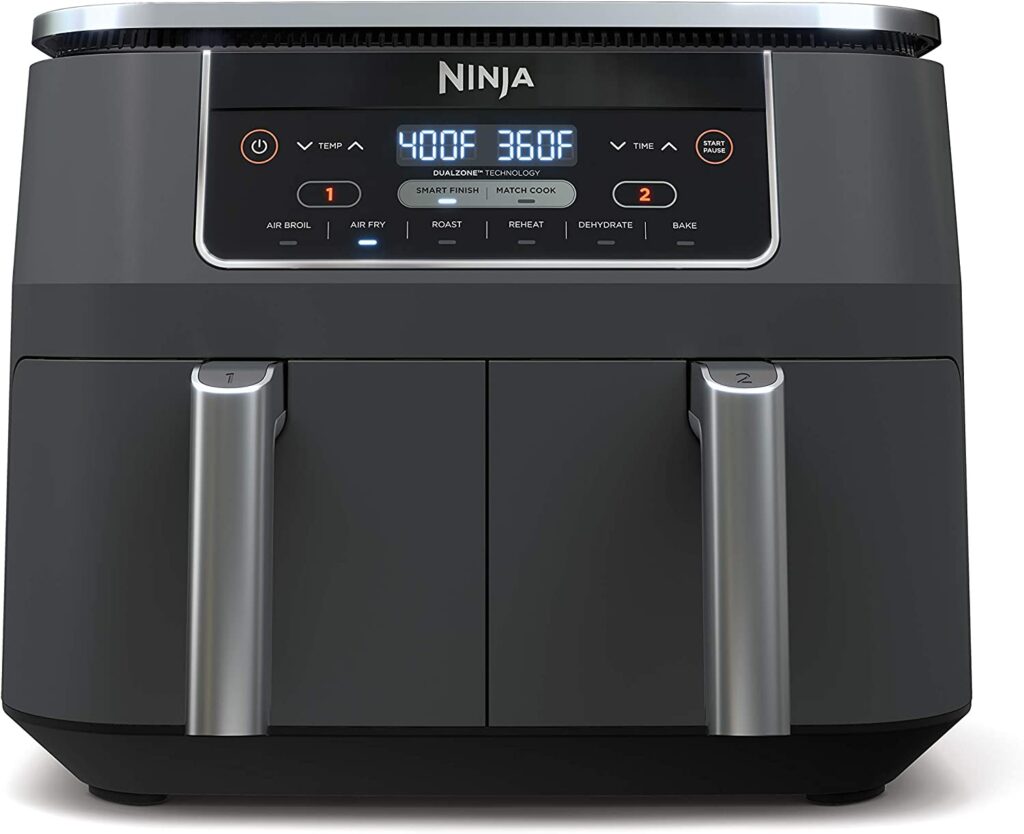
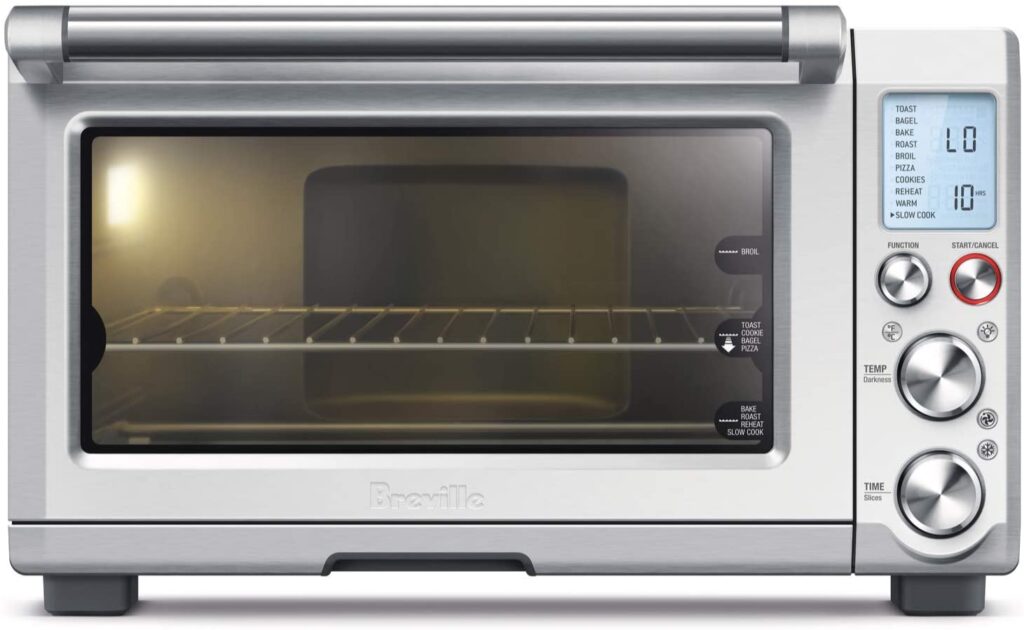
- 325°F (163°C): Perfect for delicate, homemade biscuits or those with a tender crumb. This temperature allows gentle, even heating, preserving moisture and flakiness.
- 350°F (177°C): Best for denser or store-bought biscuits. It provides a slightly crispier exterior while warming the interior efficiently.
Covering the biscuits with foil can further prevent the tops from browning too much, ensuring that the heat penetrates evenly without drying them out.
Best Cooking Time To Reheat Biscuits In Oven
Reheating time varies based on the biscuit size, density, and oven temperature. A general guideline:
- Small or medium biscuits: 8-10 minutes at 325-350°F (163-177°C).
- Large or extra-thick biscuits: 12-15 minutes at the same temperature range.
Checking the biscuits a few minutes before the end of the estimated time is crucial to avoid overheating. They should feel warm to the touch and may release a faint, buttery aroma when fully heated.
How To Reheat Biscuits In Oven
Reheating biscuits is a straightforward process if done carefully:
- Preheat the oven: Set your oven to 325-350°F (163-177°C).
- Prepare the biscuits: Arrange them on a baking sheet. For extra softness, lightly sprinkle or brush a small amount of water over the tops, then loosely cover with aluminum foil.
- Heat evenly: Place the sheet in the preheated oven. Check the biscuits halfway through, rotating the pan if necessary to ensure even warming.
- Finish and serve: Remove the foil for the last 1-2 minutes if you want a slightly crispier top. Let them cool briefly before serving so the interior can settle.
This method ensures that biscuits regain their soft, flaky texture while avoiding dryness.
When Not To Reheat Biscuits In The Oven
While the oven is versatile, it’s not suitable for every scenario:
- Very stale or rock-hard biscuits: Reheating may not restore softness; the biscuit may crumble instead.
- Biscuits with delicate fillings: Oven heat can overcook or dry out fillings like cream cheese or fruit preserves.
- Extremely small biscuits: Mini biscuits can dry out faster than they heat through.
In such cases, alternative methods like steaming or microwaving briefly may yield better results.
Reheating Biscuits More Than Once
Repeated reheating is not recommended. Each time a biscuit is reheated, moisture is lost, leading to a dry, crumbly texture. If you must reheat more than once:
- Keep the temperature low (around 300-325°F / 149-163°C).
- Cover with foil to retain moisture.
- Consider adding a small pat of butter or a tiny sprinkle of water to the surface before reheating.
Even with careful handling, repeated reheating will never fully restore the biscuit to its fresh-baked state.
What If I Use A Different Oven Temperature?
Adjusting the oven temperature changes the biscuit’s texture and heating speed:
- Higher temperatures (375-400°F / 190-204°C): Biscuits will heat faster, but the risk of a dry interior or burnt edges increases.
- Lower temperatures (275-300°F / 135-149°C): Slower, gentler heating preserves moisture but may take significantly longer to warm through.
Always monitor biscuits closely when deviating from the recommended temperature range.
What If I Use A Different Oven Cook Time?
Cooking time directly affects texture:
- Shorter time: Biscuits may remain cold in the center, especially if thick or dense.
- Longer time: The outer layers can become overly crisp or dry, while the interior may lose its soft, fluffy quality.
Adjusting cooking time requires balancing the biscuit’s size, density, and oven performance. When in doubt, check for warmth by gently pressing the biscuit’s center.
Best Ways To Reheat Biscuits
Aside from the conventional oven, other effective methods include:
- Toaster oven: Similar results to a conventional oven but convenient for small batches.
- Skillet or griddle: For lightly buttered biscuits, heating over low heat under a lid helps maintain softness.
- Microwave (short bursts): Useful in emergencies, but can make the biscuit chewy if overheated.
Despite these alternatives, a conventional oven remains the most reliable for restoring the original texture.
Tips For Optimal Reheating Results
- Use foil: Prevents excess browning and locks in moisture.
- Add moisture: Lightly sprinkle water on the top if biscuits are very dry.
- Check frequently: Avoid overheating by checking a few minutes early.
- Warm the baking sheet: Preheating the sheet slightly can reduce heating time.
- Serve immediately: Biscuits taste best shortly after reheating.
Following these tips ensures that your biscuits taste nearly as good as freshly baked.
FAQs
What Is The Best Method To Reheat Biscuits In The Oven?
The best way to reheat biscuits in the oven is to preheat the oven to 350°F (175°C). Place the biscuits on a baking sheet, ensuring they are not overcrowded. Cover the biscuits with aluminum foil to prevent them from drying out. Heat for about 10-12 minutes, or until they are warmed through and the exterior is slightly crispy.
How Do I Prevent Biscuits From Becoming Dry When Reheating Them In The Oven?
To prevent biscuits from becoming dry, wrap them loosely in aluminum foil or place a damp paper towel over them before reheating. This helps retain moisture and ensures the biscuits remain soft. Alternatively, you can place a small oven-safe dish of water in the oven to create steam while reheating.
Can I Reheat Frozen Biscuits In The Oven?
Yes, you can reheat frozen biscuits in the oven. Preheat the oven to 375°F (190°C), place the frozen biscuits on a baking sheet, and cover them with foil. Bake for 15-20 minutes, or until they are fully warmed through. For best results, let them sit at room temperature for 10-15 minutes before reheating.
How Long Does It Take To Reheat Biscuits In The Oven?
It typically takes 10-12 minutes to reheat biscuits in the oven at 350°F (175°C). If reheating frozen biscuits, it may take 15-20 minutes at a higher temperature of 375°F (190°C). The exact time will depend on the size and moisture content of the biscuits.
Should I Reheat Biscuits Covered Or Uncovered In The Oven?
It’s best to reheat biscuits covered in the oven. Covering them with aluminum foil helps retain moisture and prevents them from drying out. You can uncover them during the last few minutes of reheating to achieve a slightly crispy exterior.
Can I Add Butter Or Other Toppings While Reheating Biscuits?
Yes, you can add butter or other toppings to the biscuits before reheating. Brush the biscuits with melted butter or spread a layer of your preferred topping, such as garlic butter or jam, before placing them in the oven. This will enhance the flavor and moisture as they heat up.
Is It Possible To Reheat Multiple Biscuits At Once In The Oven?
Yes, you can reheat multiple biscuits at once. Simply arrange them on a baking sheet in a single layer with some space between them. Cover the biscuits with aluminum foil to retain moisture and heat them all at once, checking for warmth every 10 minutes.
Can I Reheat Biscuits On A Baking Sheet Without Foil?
While it is possible to reheat biscuits on a baking sheet without foil, covering them with aluminum foil helps to retain moisture and avoid drying out. If you prefer not to use foil, you can place the biscuits on a baking sheet and brush them with a little butter or water to add moisture.
How Can I Reheat Leftover Biscuits Without Them Getting Soggy?
To reheat biscuits without making them soggy, avoid using too much moisture. If you want to keep them soft, wrap them loosely in foil. If you prefer a crispy exterior, use less moisture and consider reheating the biscuits uncovered for the last few minutes of baking.
Can I Reheat Biscuits In The Oven After They Have Been Stored In The Fridge?
Yes, you can reheat biscuits stored in the fridge. Simply preheat the oven to 350°F (175°C), place the biscuits on a baking sheet, and cover them with foil. Heat for about 10-12 minutes or until warmed through. Adding a small amount of butter or water before reheating can help maintain moisture.