
How To Reheat Subway Sandwich In Oven [FULL GUIDE]
Reheating a Subway sandwich may seem like a simple task, but doing it incorrectly can lead to a dry, unevenly heated, or flavor-compromised meal. Subway sandwiches are crafted with a combination of bread, meats, cheeses, and fresh vegetables, each with unique heating requirements. The goal when reheating is to restore the sandwich to a warm, enjoyable state while maintaining the integrity of its ingredients. Using an oven is often the best choice, as it offers controlled, even heat that can crisp the bread without overcooking the fillings. Understanding the ideal temperature, timing, and techniques is key to ensuring your reheated sandwich tastes almost as good as when it was freshly made.
Contents
- 1 Best Temperature To Reheat Subway Sandwich In Oven
- 2 Best Cooking Time To Reheat Subway Sandwich In Oven
- 3 How To Reheat Subway Sandwich In Oven
- 4 When Not To Reheat Subway Sandwich In The Oven
- 5 Reheating Subway Sandwich More Than Once
- 6 What If I Use A Different Oven Temperature?
- 7 What If I Use A Different Oven Cook Time?
- 8 Best Ways To Reheat Subway Sandwich
- 9 Tips For Optimal Reheating Results
- 10 FAQs
- 10.1 What Is The Best Way To Reheat A Subway Sandwich In The Oven?
- 10.2 Should I Remove Vegetables Before Reheating A Subway Sandwich?
- 10.3 Do I Need To Keep The Sandwich Wrapped In Foil While Reheating?
- 10.4 Can I Reheat A Subway Sandwich With Meat And Cheese Inside?
- 10.5 How Long Does It Take To Reheat A Subway Sandwich In The Oven?
- 10.6 Can I Reheat A Subway Sandwich Straight From The Fridge?
- 10.7 Is It Safe To Reheat A Subway Sandwich In The Oven Multiple Times?
- 10.8 Can I Use A Toaster Oven Instead Of A Regular Oven?
- 10.9 Should I Reheat A Subway Sandwich At A Higher Temperature For Faster Results?
- 10.10 Can I Reheat A Subway Sandwich If It Has Sauces Like Mayonnaise Or Mustard?
Best Temperature To Reheat Subway Sandwich In Oven
Selecting the right oven temperature is crucial for preserving the texture and flavor of your Subway sandwich. A moderate heat is recommended: 325°F to 350°F (160°C to 175°C).

- Below 325°F: The sandwich will warm slowly, which is safe for delicate ingredients like fresh vegetables and sauces, but the bread may not crisp up as desired.
- Above 350°F: The bread can burn quickly, and meats or cheese may overcook or dry out, especially if the sandwich contains thinly sliced deli meats.
A temperature around 330°F to 340°F offers a sweet spot: it evenly heats the fillings, melts cheese without burning it, and crisps the bread lightly without drying it out.
Best Cooking Time To Reheat Subway Sandwich In Oven
Timing depends on the sandwich size, bread type, and whether it contains fresh vegetables. A typical timeframe for a standard 6-inch sandwich is:
- 6-8 minutes for a single sandwich on a baking sheet.
- 8-10 minutes if the sandwich is large (footlong) or heavily loaded with meats and cheeses.
It’s important to check halfway through the cooking time to ensure even heating and prevent over-toasting. If the sandwich is wrapped in foil, the cooking time may need to be extended slightly, as foil slows direct heat exposure.
How To Reheat Subway Sandwich In Oven
Reheating a Subway sandwich in the oven can be done effectively in a few steps:
- Preheat the oven: Set the oven to 330°F-340°F.
- Prepare the sandwich: Remove any fresh vegetables such as lettuce, tomatoes, or cucumbers. These ingredients can become soggy or wilted when exposed to oven heat. Wrap the sandwich in aluminum foil if you want to keep it soft, or leave it unwrapped for a crispier crust.
- Place on baking sheet: Lay the sandwich on a baking sheet for even heat distribution.
- Heat in the oven: Place in the preheated oven for 6-10 minutes, depending on size and desired crispiness.
- Check for doneness: Cheese should be slightly melted, bread warm and lightly crispy.
- Reassemble: Add fresh vegetables and sauces back in after heating.
When Not To Reheat Subway Sandwich In The Oven
Not all Subway sandwiches are ideal for reheating in an oven. Avoid reheating:
- Sandwiches with large amounts of fresh vegetables or sauces: These can become watery or wilted.
- Sandwiches with soft, sweet breads: Certain breads like flatbreads or delicate wraps may dry out quickly.
- Previously frozen sandwiches that have thawed: Reheating may compromise texture and moisture.
In these cases, consider reheating in a microwave briefly or enjoying the sandwich cold.
Reheating Subway Sandwich More Than Once
Reheating a Subway sandwich more than once is generally not recommended. Each reheating cycle:
- Reduces moisture in the bread.
- Overcooks delicate meats or cheese.
- Causes vegetables to become limp and sauces to separate.
If you anticipate reheating later, remove fresh vegetables beforehand and store them separately, reheating only the bread, meat, and cheese portion.
What If I Use A Different Oven Temperature?
- Lower temperature (250°F-300°F): Slower, gentler heating; bread may stay soft but fillings will warm unevenly. Great if you’re concerned about burning bread, but not ideal for crispy sandwiches.
- Higher temperature (375°F-400°F): Faster heating; bread may crisp quickly, but fillings can overcook, cheese may bubble excessively, and meat could dry out. This method requires constant supervision.
What If I Use A Different Oven Cook Time?
- Shorter time: Sandwich may remain cold in the center, cheese may not melt, and bread won’t crisp.
- Longer time: Bread may burn, meat may become dry, and cheese could overcook or separate from the sandwich.
It’s better to slightly underheat and check than to overheat and ruin the texture.
Best Ways To Reheat Subway Sandwich
Beyond the oven, alternatives include:
- Microwave (quick but softer bread): Place sandwich on a microwave-safe plate, cover loosely, heat for 30-60 seconds.
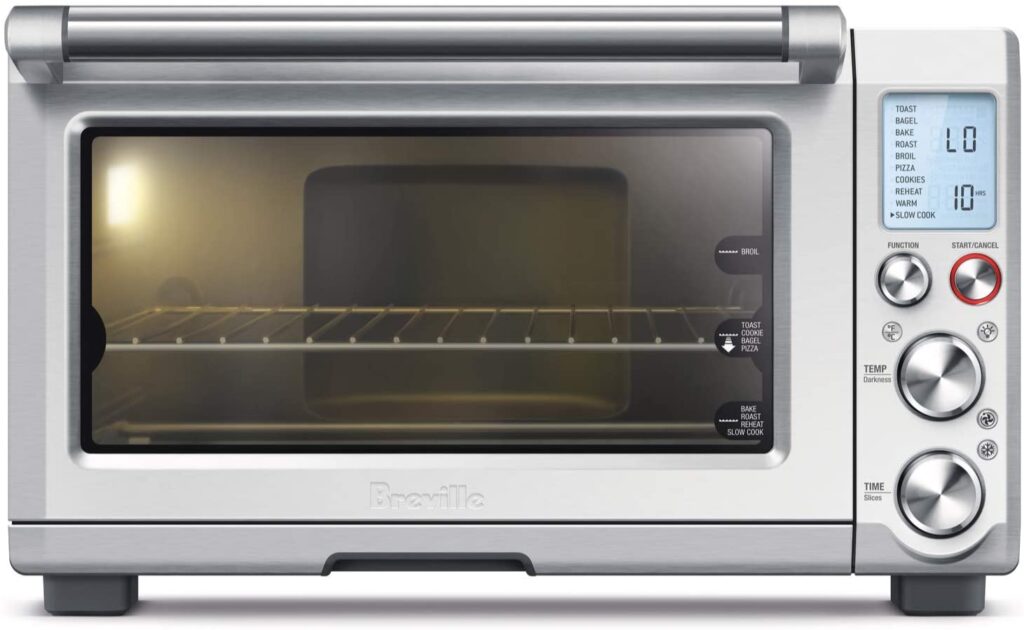
- Toaster oven: Ideal for crisping bread while gently warming fillings.
- Skillet on stove: Wrap sandwich in foil and heat gently, flipping halfway through; gives a toasted exterior similar to oven heating.
The oven remains the best choice for overall evenness and flavor preservation.
Tips For Optimal Reheating Results
- Remove fresh vegetables and sauces before reheating.
- Wrap in foil for soft sandwiches; leave unwrapped for crispiness.
- Preheat the oven to ensure even cooking.
- Check halfway to avoid burning or overcooking.
- Add vegetables and sauces after reheating for freshness.
- Use a baking sheet rather than directly on the oven rack for consistent results.
- Consider sandwich size: Heat larger sandwiches slightly longer, smaller sandwiches slightly less.
FAQs
What Is The Best Way To Reheat A Subway Sandwich In The Oven?
The best method is to preheat your oven to 350°F (175°C), wrap the sandwich in aluminum foil to prevent it from drying out, and heat for 10-15 minutes. This helps warm the sandwich evenly without making the bread too hard.
Should I Remove Vegetables Before Reheating A Subway Sandwich?
Yes, it is recommended to remove fresh vegetables like lettuce, tomatoes, cucumbers, and onions before reheating, as they can wilt or release excess water, making the sandwich soggy.
Do I Need To Keep The Sandwich Wrapped In Foil While Reheating?
Wrapping the sandwich in foil is ideal because it preserves moisture and prevents the bread from becoming overly crispy or burnt. If you prefer a crispier crust, you can unwrap it for the last 2-3 minutes of reheating.
Can I Reheat A Subway Sandwich With Meat And Cheese Inside?
Yes, reheating with meat and cheese is safe. Foil-wrapped sandwiches will allow the cheese to melt evenly and the meat to warm without drying out.
How Long Does It Take To Reheat A Subway Sandwich In The Oven?
Typically, it takes 10-15 minutes at 350°F (175°C). The exact time depends on sandwich thickness and oven efficiency. Check after 10 minutes and continue heating in 2-3 minute increments if needed.
Can I Reheat A Subway Sandwich Straight From The Fridge?
Yes, you can reheat it directly from the refrigerator. Just note that it may require a slightly longer cooking time, around 12-18 minutes, to ensure the inside is fully warmed.
Is It Safe To Reheat A Subway Sandwich In The Oven Multiple Times?
While it is generally safe, reheating multiple times can affect the quality, making bread tougher and meat drier. It is best to reheat only once for optimal taste and texture.
Can I Use A Toaster Oven Instead Of A Regular Oven?
Yes, a toaster oven works well. Set it to 350°F (175°C) and follow the same instructions. Foil wrapping is still recommended to maintain moisture, though the sandwich may crisp faster due to the smaller oven space.
Should I Reheat A Subway Sandwich At A Higher Temperature For Faster Results?
Reheating at higher temperatures is not recommended, as it can burn the bread while leaving the center cold. Stick to 350°F (175°C) for even heating and better texture.
Can I Reheat A Subway Sandwich If It Has Sauces Like Mayonnaise Or Mustard?
Yes, but be cautious. Some sauces, especially mayonnaise, may separate or change texture when heated. You can remove sauces before reheating and add them back afterward for best results.