
How To Reheat Chimichanga In Oven [FULL GUIDE]
Chimichangas, with their golden, crispy exteriors and rich, savory fillings, are a beloved staple of Tex-Mex cuisine. These deep-fried delights combine the indulgence of a burrito with the satisfying crunch of a fried shell, offering a perfect blend of textures and flavors. However, enjoying a freshly fried chimichanga is not always possible, especially if you have leftovers. Reheating a chimichanga requires careful attention because improper reheating can leave it soggy, chewy, or unevenly warm, stripping it of the signature crispiness. The oven is widely regarded as the best tool for restoring both the texture and the flavor, offering a controlled heat environment that ensures even reheating. Understanding the nuances of temperature, timing, and technique can elevate your leftover chimichanga into something almost as delightful as the first bite.
Contents
- 1 Best Temperature To Reheat Chimichanga In Oven
- 2 Best Cooking Time To Reheat Chimichanga In Oven
- 3 How To Reheat Chimichanga In Oven
- 4 When Not To Reheat Chimichanga In The Oven
- 5 Reheating Chimichanga More Than Once
- 6 What If I Use A Different Oven Temperature?
- 7 What If I Use A Different Oven Cook Time?
- 8 Best Ways To Reheat Chimichanga
- 9 Tips For Optimal Reheating Results
- 10 FAQs
- 10.1 What Is The Best Temperature To Reheat A Chimichanga In The Oven?
- 10.2 Should I Cover The Chimichanga With Foil While Reheating?
- 10.3 How Long Does It Take To Reheat A Chimichanga In The Oven?
- 10.4 Can I Reheat A Frozen Chimichanga Directly In The Oven?
- 10.5 Should I Add Any Moisture Before Reheating To Prevent Dryness?
- 10.6 How Do I Know If The Chimichanga Is Heated Thoroughly?
- 10.7 Can I Reheat Multiple Chimichangas In The Oven At Once?
- 10.8 Is It Better To Reheat Chimichangas In A Convection Oven Or A Conventional Oven?
- 10.9 Can I Reheat A Chimichanga In The Oven With Toppings Like Cheese Or Sour Cream?
- 10.10 How Can I Reheat A Chimichanga Without Making The Tortilla Soggy?
Best Temperature To Reheat Chimichanga In Oven
Temperature is crucial when reheating a chimichanga. Too high, and the outer shell may burn before the inside is warmed through; too low, and the tortilla can become soggy, leaving the filling lukewarm and unappetizing. For optimal results, preheat your oven to 350°F (175°C). This temperature strikes a perfect balance: it is high enough to crisp the outer tortilla without drying out the filling.
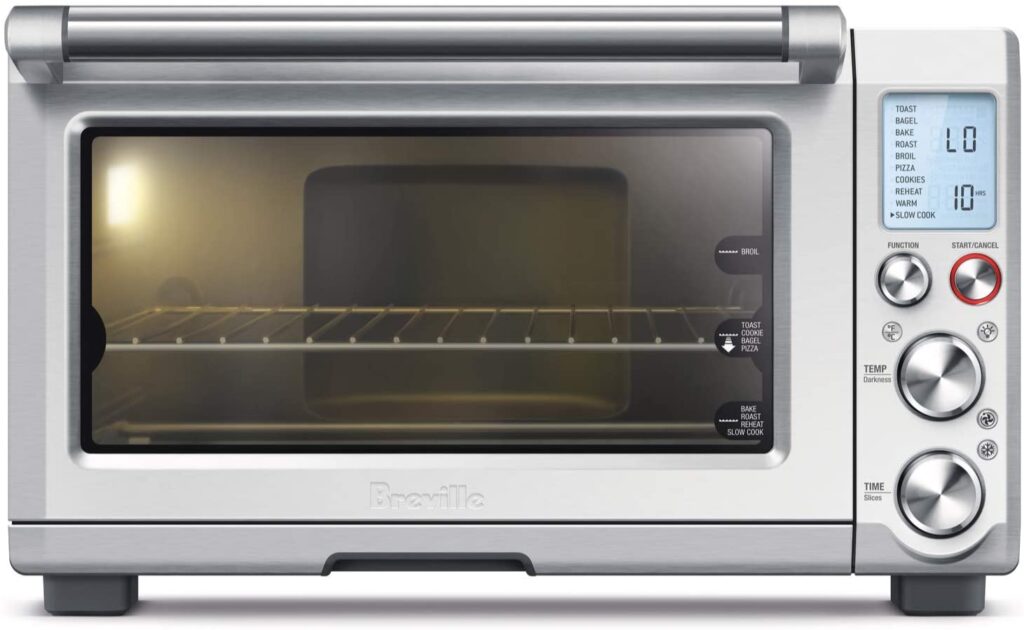
Some home cooks experiment with higher temperatures (375-400°F / 190-200°C) to restore extra crunch, but this requires careful monitoring to avoid burning the exterior. Conversely, lower temperatures (300-325°F / 150-160°C) can reheat the interior more gently but may result in a less crispy crust. Thus, 350°F is widely recommended as the sweet spot for consistency and flavor retention.
Best Cooking Time To Reheat Chimichanga In Oven
The cooking time for reheating a chimichanga depends on its size and filling density, but generally ranges from 15 to 25 minutes. A standard, medium-sized chimichanga should reach an internal temperature of around 165°F (74°C) for food safety.
- 15 minutes: Suitable for smaller chimichangas or those that were refrigerated for a short period.
- 20 minutes: Ideal for medium-sized portions, ensuring a crispy exterior and thoroughly warmed filling.
- 25 minutes: Recommended for larger or densely stuffed chimichangas, particularly if reheating directly from the refrigerator.
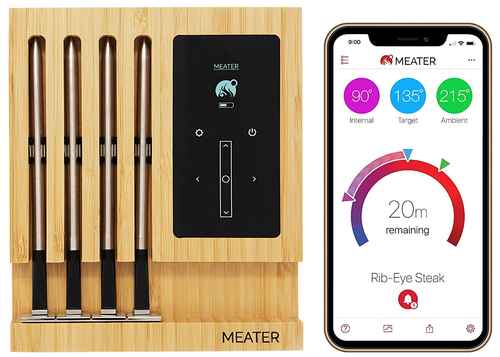
It is important to check periodically; using a meat thermometer can help avoid overheating or drying out your chimichanga.
How To Reheat Chimichanga In Oven
- Preheat your oven to 350°F (175°C). Allow the oven to reach full temperature before placing your chimichanga inside to ensure even cooking.
- Prepare your chimichanga. Place it on a baking sheet lined with aluminum foil or parchment paper. For extra crispiness, lightly brush or spray the tortilla with a thin layer of cooking oil.
- Reheat. Place the baking sheet in the oven and bake for 15-20 minutes, flipping the chimichanga halfway through to evenly crisp all sides.
- Check for doneness. Use a food thermometer to ensure the filling has reached 165°F (74°C).
- Rest and serve. Let it sit for a minute or two to allow the steam inside to redistribute, which prevents the outer shell from becoming soggy immediately after removal.
When Not To Reheat Chimichanga In The Oven
While the oven is versatile, there are situations when reheating is not recommended:
- Already soggy or overcooked chimichangas: Reheating can worsen the texture, making it chewy rather than crisp.
- Chimichangas with delicate sauces: Creamy sauces inside may separate or curdle, altering flavor and texture.
- Frozen chimichangas not properly thawed: Directly placing a frozen chimichanga in the oven can result in uneven heating, with a burnt exterior and cold interior. Thawing in the refrigerator first is recommended.
Reheating Chimichanga More Than Once
Reheating multiple times is generally discouraged because repeated heating degrades texture and flavor. The tortilla may become dry and brittle, and the filling can lose moisture and richness. If you must reheat a chimichanga more than once, consider using a lower temperature (300°F / 150°C) and covering it lightly with foil to retain moisture, while finishing with a brief uncovered period for crispness.
What If I Use A Different Oven Temperature?
Using a temperature higher than 350°F can result in a crispy exterior faster, but it increases the risk of burning before the filling is adequately heated. A lower temperature can protect delicate fillings but may not restore the crunch of the tortilla. Adjusting temperature requires adjusting cooking time and close monitoring to avoid over- or under-cooking.
What If I Use A Different Oven Cook Time?
Shorter cook times may leave the center cold, especially for densely filled chimichangas. Extended cook times can dry out the tortilla and filling. If you vary the cooking time, always check internal temperature and consider covering the chimichanga with foil to prevent the exterior from over-browning.
Best Ways To Reheat Chimichanga
While the oven is preferred, other methods include:
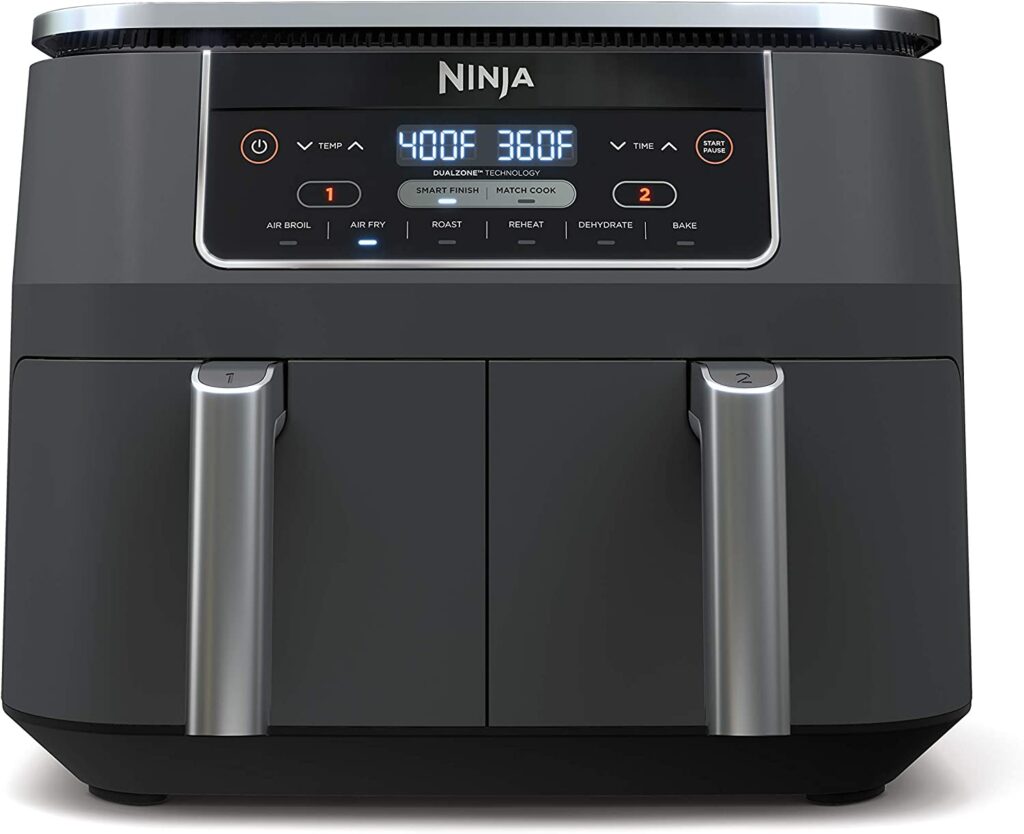
- Air fryer: Excellent for restoring crunch quickly at 350-375°F for 5-10 minutes.
- Skillet: Heat over medium heat with a small amount of oil, flipping frequently for even browning.
- Microwave (not recommended for crispiness): Best for softening but will result in a soggy tortilla; use microwave-safe cover to retain moisture.
Tips For Optimal Reheating Results
- Avoid overcrowding the oven. Chimichangas need space for air circulation to maintain crispiness.
- Use a light oil coating. A thin spray of cooking oil helps achieve a golden, crunchy exterior.
- Flip halfway through. Ensures even crisping on all sides.
- Check internal temperature. Safety is as important as texture; aim for 165°F (74°C).
- Rest before serving. A 2-3 minute rest allows residual heat to finish warming the filling.
FAQs
What Is The Best Temperature To Reheat A Chimichanga In The Oven?
The optimal temperature to reheat a chimichanga is 350°F (175°C). This ensures that the chimichanga heats evenly without burning the outer tortilla or leaving the filling cold.
Should I Cover The Chimichanga With Foil While Reheating?
It is recommended to loosely cover the chimichanga with aluminum foil for the first 10 minutes of reheating to prevent the tortilla from over-browning. Remove the foil for the last 5-10 minutes to crisp the exterior.
How Long Does It Take To Reheat A Chimichanga In The Oven?
Typically, a chimichanga takes 15-20 minutes to reheat in a preheated oven at 350°F (175°C). Exact times depend on its size and whether it is frozen or refrigerated.
Can I Reheat A Frozen Chimichanga Directly In The Oven?
Yes, but it requires a longer cooking time. Preheat the oven to 375°F (190°C) and reheat the frozen chimichanga for 25-30 minutes, checking for even heating in the center.
Should I Add Any Moisture Before Reheating To Prevent Dryness?
It is not necessary to add moisture, but lightly brushing the chimichanga with a small amount of oil or melted butter can help maintain a crispy texture without drying out the filling.
How Do I Know If The Chimichanga Is Heated Thoroughly?
The chimichanga should be steaming hot in the center. Use a food thermometer to check that the internal temperature has reached at least 165°F (74°C) for safe consumption.
Can I Reheat Multiple Chimichangas In The Oven At Once?
Yes, arrange them on a baking sheet in a single layer, leaving space between each to ensure proper air circulation. You may need to add 5-10 minutes to the reheating time if the oven is crowded.
Is It Better To Reheat Chimichangas In A Convection Oven Or A Conventional Oven?
A convection oven is preferable because the circulating hot air can heat the chimichanga more evenly and maintain a crispier texture. Reduce the temperature by 25°F (about 15°C) compared to conventional oven instructions.
Can I Reheat A Chimichanga In The Oven With Toppings Like Cheese Or Sour Cream?
It’s best to add toppings like cheese, sour cream, or guacamole after reheating. Placing them in the oven can cause them to melt unevenly or burn, altering the texture and flavor.
How Can I Reheat A Chimichanga Without Making The Tortilla Soggy?
Reheat on a wire rack over a baking sheet so that hot air circulates around the chimichanga. This prevents moisture from being trapped underneath, keeping the tortilla crispy.