
How To Reheat Stuffed Shells In Oven [FULL GUIDE]
Stuffed shells, with their tender pasta enveloping creamy ricotta, savory meat, or a medley of vegetables, are a comfort food favorite. Whether baked fresh for a family dinner or prepared in advance for a special occasion, leftovers of this hearty dish often find themselves in the refrigerator or freezer, waiting to be enjoyed later. Reheating stuffed shells, however, is not as simple as sliding them into the oven. Done improperly, the pasta can dry out, the cheese can become rubbery, and the flavors may lose their vibrancy. Understanding the precise temperature, cooking time, and technique can transform leftovers into a meal that tastes just as delightful as the original. This guide explores the best methods, considerations, and tips for reheating stuffed shells in the oven, ensuring each bite remains luscious and satisfying.
Contents
- 1 Best Temperature To Reheat Stuffed Shells In Oven
- 2 Best Cooking Time To Reheat Stuffed Shells In Oven
- 3 How To Reheat Stuffed Shells In Oven
- 4 When Not To Reheat Stuffed Shells In The Oven
- 5 Reheating Stuffed Shells More Than Once
- 6 What If I Use A Different Oven Temperature?
- 7 What If I Use A Different Oven Cook Time?
- 8 Best Ways To Reheat Stuffed Shells
- 9 Tips For Optimal Reheating Results
- 10 FAQs
- 10.1 What Is The Best Temperature To Reheat Stuffed Shells In The Oven?
- 10.2 Should I Cover The Stuffed Shells With Foil When Reheating?
- 10.3 How Long Does It Take To Reheat Stuffed Shells In The Oven?
- 10.4 Do I Need To Add Extra Sauce When Reheating Stuffed Shells?
- 10.5 Can I Reheat Stuffed Shells Directly From The Freezer?
- 10.6 How Can I Tell If The Stuffed Shells Are Heated Properly?
- 10.7 Can I Add Extra Cheese Before Reheating Stuffed Shells?
- 10.8 Should I Let Stuffed Shells Sit After Reheating?
- 10.9 Is It Better To Reheat Stuffed Shells In A Glass Or Metal Baking Dish?
- 10.10 Can I Reheat Stuffed Shells Without Drying Them Out?
Best Temperature To Reheat Stuffed Shells In Oven
Achieving the perfect reheated stuffed shell begins with temperature control. For most casseroles and stuffed pasta dishes, a moderate oven temperature is ideal. Setting your oven to 325°F to 350°F (160°C to 175°C) strikes a balance between gently warming the shells and preserving their texture. Temperatures lower than 325°F may lead to uneven heating, while temperatures above 350°F risk drying out the delicate pasta and scorching the cheese topping.
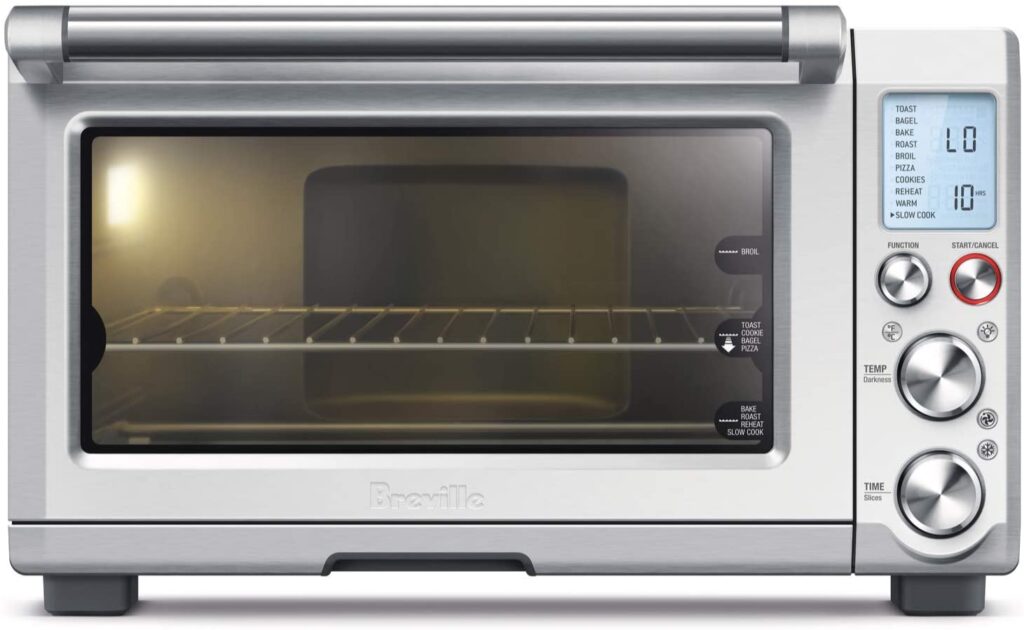
If your stuffed shells are covered with foil, a slightly higher temperature within this range can be used, as the foil will help retain moisture. For uncovered reheating, sticking closer to 325°F is preferable, preventing the cheese from over-browning before the shells are heated through. This temperature range ensures that the filling warms evenly without compromising the integrity of the pasta.
Best Cooking Time To Reheat Stuffed Shells In Oven
Reheating time varies depending on whether the shells are refrigerated or frozen. For refrigerated stuffed shells, a general guideline is 20-25 minutes at 325-350°F. Frozen shells will require more time, typically 40-50 minutes at the same temperature range, and should ideally be thawed in the refrigerator beforehand to promote even heating.
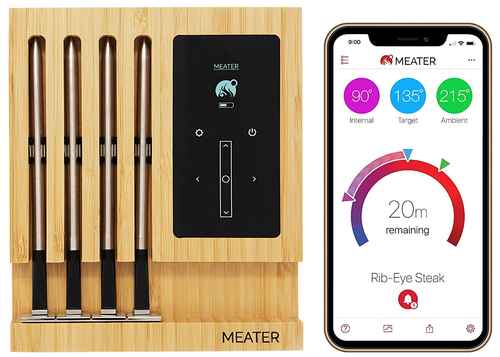
The size of your dish also affects cooking time. A deep 9×13-inch casserole may need a few additional minutes compared to a smaller 8×8-inch pan. The goal is to heat the shells until the internal temperature reaches 165°F (74°C), which ensures food safety while maintaining optimal texture. Using a food thermometer is highly recommended for precision.
How To Reheat Stuffed Shells In Oven
- Preheat the oven: Set your oven to 325-350°F (160-175°C).
- Prepare the dish: Place the stuffed shells in an oven-safe dish. If they are already in a casserole, ensure the dish is appropriate for reheating.
- Cover with foil: Lightly cover the dish with aluminum foil to trap moisture and prevent the cheese from drying out.
- Bake: Place the dish in the oven. Refrigerated shells generally require 20-25 minutes, frozen shells 40-50 minutes.
- Check doneness: Use a fork to check that the shells are heated through or a thermometer to verify an internal temperature of 165°F.
- Optional browning: Remove the foil for the last 5-10 minutes if you want the cheese to brown lightly.
- Serve immediately: Stuffed shells are best enjoyed hot, right out of the oven, for optimal texture and flavor.
When Not To Reheat Stuffed Shells In The Oven
While reheating in the oven is generally safe, there are scenarios when it is not recommended:
- Extensively dried-out shells: If the shells have been left unrefrigerated for several hours, reheating may not restore their moisture.
- Repeatedly reheated leftovers: Pasta and cheese can become dry and rubbery if reheated multiple times.
- Time constraints: If you need a quicker method, the oven’s longer heating time may not be practical compared to microwaving, especially for small portions.
In these situations, alternative reheating methods or preparing fresh shells may yield better results.
Reheating Stuffed Shells More Than Once
Reheating stuffed shells more than once is not recommended. Each reheating cycle causes the pasta to lose moisture and the cheese to become dense and less flavorful. Additionally, multiple reheating cycles increase the risk of bacterial growth if the food is not kept at safe temperatures in between. If leftovers are abundant, it is better to portion them into single servings and only reheat what will be eaten immediately. This approach preserves both taste and food safety.
What If I Use A Different Oven Temperature?
Adjusting the oven temperature requires balancing time and moisture retention:
- Higher temperatures (375-400°F / 190-200°C): The shells may heat faster, but there is a high risk of drying out the pasta or burning the cheese before the interior is fully warmed.
- Lower temperatures (275-300°F / 135-150°C): This approach slows the reheating process, which can be useful for extra thick or dense casseroles, but may result in uneven heating if not allowed enough time.
In general, staying within the 325-350°F range is safest for optimal results.
What If I Use A Different Oven Cook Time?
Adjusting the cook time without changing temperature can have similar consequences:
- Shorter times: May leave the shells cold in the center, especially if frozen or in a deep casserole.
- Longer times: Risk overcooking, leading to dry pasta and rubbery cheese.
Always check internal temperature (165°F / 74°C) rather than relying solely on time, as oven performance and dish size can vary.
Best Ways To Reheat Stuffed Shells
Beyond the conventional oven, several reheating methods can preserve texture and flavor:
- Microwave: Quick but may result in uneven heating. Cover with a microwave-safe lid and add a splash of water to prevent drying.
- Skillet: Place individual shells in a covered pan with a bit of sauce or water; heat over low-medium heat.
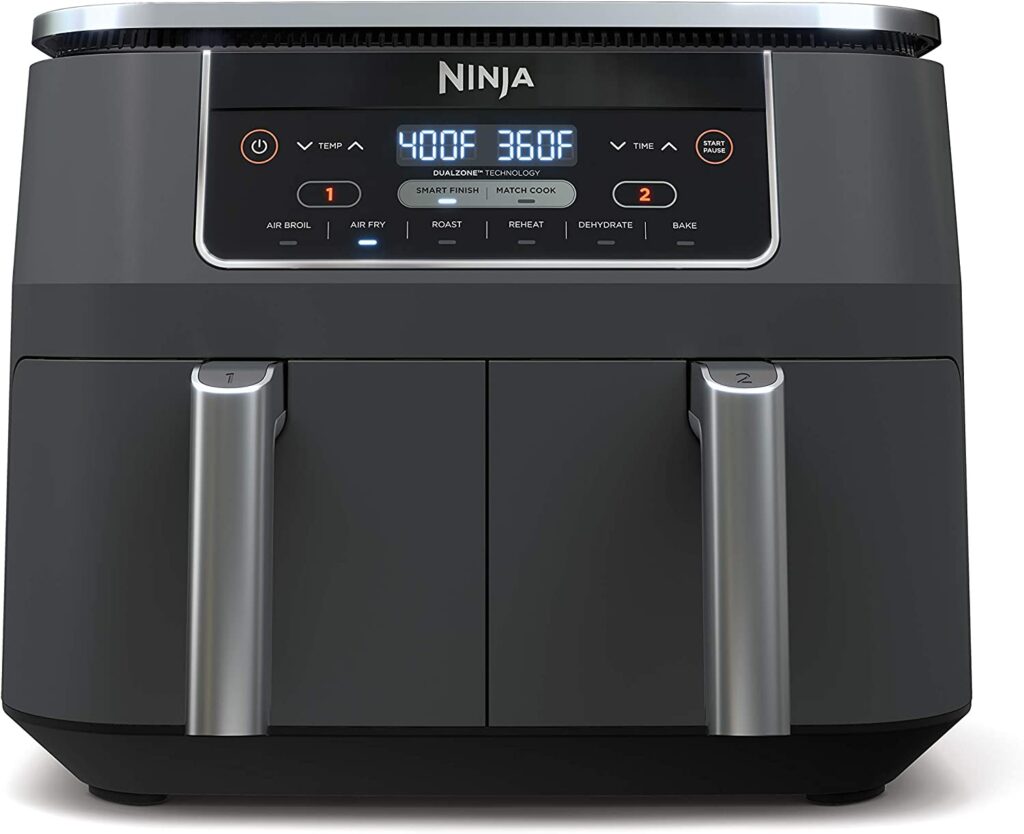
- Air fryer: Ideal for crisping the top cheese layer, though only suitable for small portions.
The oven remains the most reliable method for maintaining the original taste and texture of baked stuffed shells.
Tips For Optimal Reheating Results
- Cover the dish: Use foil to lock in moisture during reheating.
- Add moisture if needed: A spoonful of marinara or a light sprinkle of water prevents drying.
- Check internal temperature: Ensure 165°F for safe consumption.
- Remove foil for browning: Do this in the last 5-10 minutes to create a golden, appetizing top.
- Portion carefully: Reheat only what will be consumed to avoid multiple reheats.
- Let it rest: Allow 2-3 minutes after removing from the oven for juices to redistribute.
FAQs
What Is The Best Temperature To Reheat Stuffed Shells In The Oven?
The optimal temperature to reheat stuffed shells is 350°F (175°C). This allows the shells to heat evenly without drying out the filling or overcooking the pasta.
Should I Cover The Stuffed Shells With Foil When Reheating?
Yes, covering the stuffed shells with aluminum foil helps retain moisture, prevents the cheese from burning, and ensures the filling heats evenly.
How Long Does It Take To Reheat Stuffed Shells In The Oven?
Reheating typically takes 20-30 minutes, depending on the quantity and whether they are thawed or frozen. Always check that the internal temperature reaches at least 165°F (74°C) for safe consumption.
Do I Need To Add Extra Sauce When Reheating Stuffed Shells?
Adding a little extra sauce or a splash of water over the shells helps prevent them from drying out during reheating, especially if the shells were refrigerated for a few days.
Can I Reheat Stuffed Shells Directly From The Freezer?
Yes, but it will take longer-typically 40-50 minutes at 350°F (175°C). Cover them with foil to avoid burning and ensure the filling is heated thoroughly.
How Can I Tell If The Stuffed Shells Are Heated Properly?
The shells are properly reheated when the internal temperature reaches 165°F (74°C), the sauce is bubbling, and the cheese inside is melted. You can use a food thermometer for accuracy.
Can I Add Extra Cheese Before Reheating Stuffed Shells?
Yes, sprinkling a bit of mozzarella or parmesan on top before reheating enhances flavor and creates a lightly golden, bubbly topping.
Should I Let Stuffed Shells Sit After Reheating?
Allowing them to rest for 2-3 minutes after removing from the oven helps the filling set slightly and prevents burns from hot cheese or sauce.
Is It Better To Reheat Stuffed Shells In A Glass Or Metal Baking Dish?
Either works, but glass dishes retain heat longer and promote even reheating. Metal pans heat faster, so monitor carefully to avoid overcooking.
Can I Reheat Stuffed Shells Without Drying Them Out?
To prevent drying, cover with foil, add extra sauce if needed, and avoid reheating at excessively high temperatures. Slow, even heating ensures creamy filling and tender pasta.