
How To Reheat Yeast Rolls In Oven [FULL GUIDE]
Yeast rolls, with their soft, fluffy interiors and lightly golden crusts, are one of the most comforting baked goods. Whether fresh out of the bakery or leftover from a family dinner, their appeal lies in their delicate texture and subtle sweetness. However, like many bread products, yeast rolls can lose their charm when stored, becoming dry or slightly stale. Reheating them properly in the oven is key to restoring their warm, pillowy perfection. Unlike microwaving, which can make bread chewy or rubbery, the oven allows for even heating and a crisp, slightly caramelized exterior, making your yeast rolls taste almost as if they were freshly baked.
Contents
- 1 Best Temperature To Reheat Yeast Rolls In Oven
- 2 Best Cooking Time To Reheat Yeast Rolls In Oven
- 3 How To Reheat Yeast Rolls In Oven
- 4 When Not To Reheat Yeast Rolls In The Oven
- 5 Reheating Yeast Rolls More Than Once
- 6 What If I Use A Different Oven Temperature?
- 7 What If I Use A Different Oven Cook Time?
- 8 Best Ways To Reheat Yeast Rolls
- 9 Tips For Optimal Reheating Results
- 10 FAQs
- 10.1 What Is The Best Temperature To Reheat Yeast Rolls In The Oven?
- 10.2 Should I Cover The Yeast Rolls With Foil When Reheating?
- 10.3 How Long Does It Take To Reheat Yeast Rolls In The Oven?
- 10.4 Can I Reheat Frozen Yeast Rolls In The Oven Without Thawing?
- 10.5 Is It Better To Add Moisture When Reheating Yeast Rolls?
- 10.6 Can I Use A Toaster Oven To Reheat Yeast Rolls?
- 10.7 How Can I Restore The Crust Of Yeast Rolls When Reheating?
- 10.8 Should I Slice The Rolls Before Reheating?
- 10.9 Can I Reheat Yeast Rolls With Butter Or Toppings Already Applied?
- 10.10 What Is The Best Way To Store Yeast Rolls Before Reheating?
Best Temperature To Reheat Yeast Rolls In Oven
The optimal temperature for reheating yeast rolls strikes a balance between warming the interior without over-drying the crust. Most experts recommend an oven temperature between 325°F (163°C) and 350°F (177°C). At this moderate heat, the rolls warm gradually, allowing the moisture inside to redistribute, ensuring a soft, tender bite. Going lower than 325°F may result in longer reheating times and uneven warmth, while temperatures above 350°F can quickly dry out the crust or even risk burning the exterior before the interior is fully heated.
For rolls stored in the refrigerator, the slightly higher end of this range (around 350°F) is often more effective, while frozen rolls benefit from starting at 325°F to allow thorough warming without scorching.
Best Cooking Time To Reheat Yeast Rolls In Oven
The reheating time for yeast rolls varies depending on their size, moisture content, and whether they are frozen, refrigerated, or at room temperature. As a general guideline:
- Room temperature rolls: 5-10 minutes
- Refrigerated rolls: 10-12 minutes
- Frozen rolls: 15-20 minutes (wrapped in foil to prevent excessive drying)
It’s important to monitor the rolls closely during the last few minutes, as overcooking can quickly lead to a dry, tough texture. The goal is a warm interior with a slightly crisp, golden crust.
How To Reheat Yeast Rolls In Oven
- Preheat the oven to 325-350°F (163-177°C).
- Optional: Lightly brush the rolls with water or melted butter to retain moisture and enhance flavor.
- Wrap in foil if the rolls are refrigerated or frozen. This prevents them from drying out while heating evenly.
- Place on a baking sheet in a single layer, ensuring rolls aren’t touching if you want a slightly crisp exterior.
- Bake according to the suggested time for their storage state.
- Check for warmth: Insert a fork or gently press the roll to test if the interior is fully heated.
- Serve immediately for the best texture; leaving them too long in the oven or cooling on the counter may lead to hardness.
When Not To Reheat Yeast Rolls In The Oven
Reheating yeast rolls in the oven is not always ideal. Avoid reheating if:
- The rolls are extremely stale or dried out-the oven can’t restore moisture already lost.
- They have perishable fillings (cream cheese, custard, or other dairy-based fillings) unless you follow specific reheating instructions to avoid spoilage.
- You’re trying to reheat multiple times-each reheating reduces moisture and can make the texture unpleasant.
In such cases, alternatives like steaming or lightly microwaving with a damp cloth may preserve softness better.
Reheating Yeast Rolls More Than Once
Repeated reheating is generally discouraged. Each heating cycle causes moisture to evaporate, leading to dryness and a firmer, less enjoyable crumb. If multiple reheating sessions are necessary, consider slicing rolls in half and covering them in foil to retain some moisture. Ideally, reheat only the portion you plan to consume immediately.
What If I Use A Different Oven Temperature?
Using a temperature outside the 325-350°F range alters the outcome significantly:
- Lower temperature (below 325°F): Slow heating may result in unevenly warmed rolls. The interior may remain cold while the crust dries.
- Higher temperature (above 350°F): The exterior can crisp or brown too quickly, while the interior remains insufficiently warmed, leading to a contrast between a hard crust and a cool, doughy center.
Adjust cooking times accordingly if changing temperatures, and always monitor closely.
What If I Use A Different Oven Cook Time?
Altering the recommended cook time can affect texture and moisture:
- Shorter time: Rolls may feel warm only superficially, with a cold or doughy center.
- Longer time: Moisture loss increases, resulting in dry, crumbly interiors and potentially burnt edges.
For best results, align cooking time with the roll’s size, temperature, and whether it’s wrapped in foil.
Best Ways To Reheat Yeast Rolls
The oven is the most reliable method, but for variations:
- Foil-wrapped in the oven: Preserves moisture for refrigerated or frozen rolls.
- Open baking for a crisp exterior: Perfect for rolls that need a lightly crunchy crust.
- Steaming method: Place rolls in a covered pan with a small amount of water to gently steam, ideal for extremely soft rolls.
Avoid the microwave if you want to maintain the classic oven-baked texture, unless moisture preservation is managed carefully.
Tips For Optimal Reheating Results
- Brush with butter or water before reheating to enhance softness and flavor.
- Use foil for frozen or refrigerated rolls to prevent drying.
- Preheat the oven to ensure even reheating from the start.
- Check periodically to prevent overcooking.
- Serve immediately after reheating for the best texture and flavor.
FAQs
What Is The Best Temperature To Reheat Yeast Rolls In The Oven?
The ideal temperature for reheating yeast rolls in the oven is 325°F (163°C). This allows the rolls to warm evenly without drying out or burning the crust.
Should I Cover The Yeast Rolls With Foil When Reheating?
Yes, covering the rolls with aluminum foil helps retain moisture and prevents the tops from becoming too hard or crusty during reheating.
How Long Does It Take To Reheat Yeast Rolls In The Oven?
Reheating typically takes 10-15 minutes for room temperature rolls. If the rolls are refrigerated, it may take 15-20 minutes. Always check for warmth by gently pressing the center.
Can I Reheat Frozen Yeast Rolls In The Oven Without Thawing?
Yes, you can reheat frozen rolls directly. Wrap them in foil and bake at 350°F (177°C) for 15-20 minutes. Thawing first can reduce reheating time and ensure more even heating.
Is It Better To Add Moisture When Reheating Yeast Rolls?
Adding a small amount of water, either by lightly misting the rolls or placing a small oven-safe dish of water in the oven, helps keep the rolls soft and prevents them from drying out.
Can I Use A Toaster Oven To Reheat Yeast Rolls?
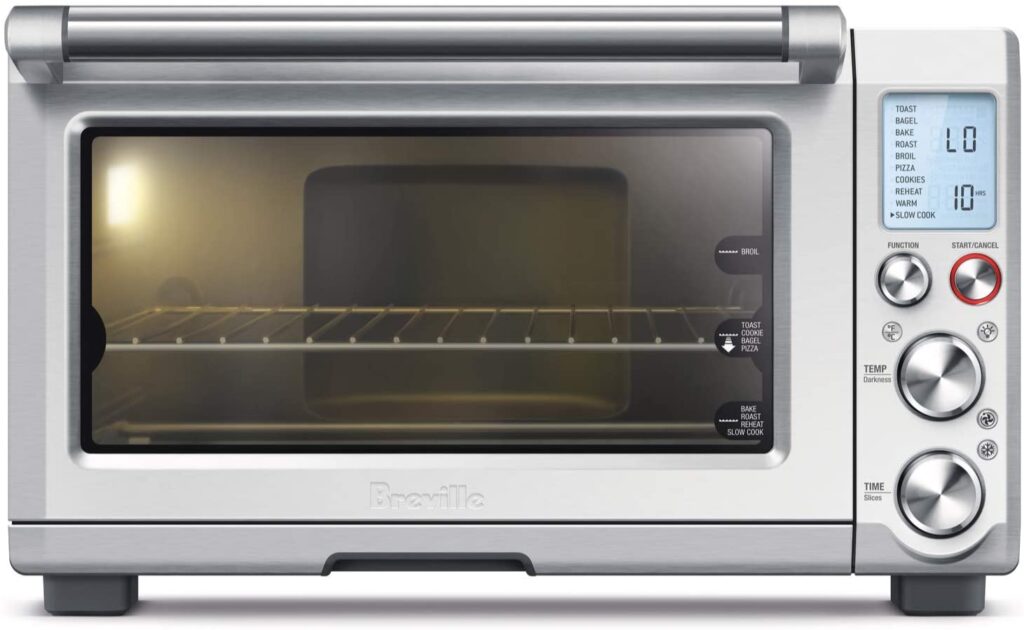
Yes, a toaster oven works well. Set it to 325°F (163°C), wrap the rolls in foil, and heat for 8-12 minutes, checking periodically to avoid overcooking.
How Can I Restore The Crust Of Yeast Rolls When Reheating?
To restore a slightly crisp crust, remove the foil for the last 2-3 minutes of baking. This allows the exterior to regain some texture while keeping the interior soft.
Should I Slice The Rolls Before Reheating?
It is generally better to reheat rolls whole to preserve moisture. Slicing beforehand can cause the interior to dry out faster during reheating.
Can I Reheat Yeast Rolls With Butter Or Toppings Already Applied?
Yes, but monitor closely. Butter or toppings may brown quickly, so it’s best to reheat with foil covering for most of the time and uncover for the last few minutes to achieve desired warmth and texture.
What Is The Best Way To Store Yeast Rolls Before Reheating?
Store them in an airtight container at room temperature for 1-2 days, or freeze them for longer storage. Proper storage helps maintain softness and flavor during reheating.