
How To Cook Elk Roast In Slow Cooker [GUIDE]
Elk meat, often celebrated for its rich, lean flavor and tender texture, is a protein that commands respect in the kitchen. Unlike beef, elk has a naturally lower fat content, which makes slow cooking not just advantageous but almost necessary to achieve a succulent, melt-in-your-mouth roast. Slow cooking allows the dense muscle fibers to gradually break down while infusing the meat with the flavors of herbs, vegetables, and stock, resulting in a deeply flavorful, hearty meal. Cooking elk in a slow cooker also simplifies the process: you can set it, forget it, and return hours later to a feast. However, given its lean nature, it requires careful attention to timing, liquid, and seasoning to avoid drying out the meat. This guide will walk you step-by-step through the entire process, ensuring your elk roast is cooked to perfection.
Contents
- 1 How Long To Cook Elk Roast In Slow Cooker
- 2 How To Tell If It Is Done
- 3 Ingredients Needed
- 4 How To Cook Elk Roast In Slow Cooker
- 5 When Things Go Wrong
- 6 Expert Tips
- 7 Can I Do This Without A Slow Cooker?
- 8 Reheating Leftovers In Slow Cooker
- 9 FAQs
- 9.1 What Cut Of Elk Is Best For Slow Cooking?
- 9.2 Do I Need To Sear The Elk Roast Before Slow Cooking?
- 9.3 How Much Liquid Should I Add To A Slow Cooker Elk Roast?
- 9.4 What Temperature And Cooking Time Is Best For Elk Roast In A Slow Cooker?
- 9.5 Should I Add Vegetables To The Slow Cooker With The Elk Roast?
- 9.6 How Can I Ensure The Elk Roast Stays Moist During Slow Cooking?
- 9.7 Do I Need To Season The Elk Roast Before Slow Cooking?
- 9.8 Can I Use A Frozen Elk Roast In The Slow Cooker?
- 9.9 How Can I Make A Flavorful Sauce Or Gravy From The Slow Cooker Elk Roast?
- 9.10 How Should Leftovers Of Slow-cooked Elk Roast Be Stored?
How Long To Cook Elk Roast In Slow Cooker
Cooking times for an elk roast depend on the size of the roast and the temperature setting of your slow cooker. For a standard 2-4 pound elk roast:
- Low setting: 7-9 hours
- High setting: 4-6 hours
The key is slow and steady cooking. Elk, being leaner than beef, can become tough if exposed to high heat for too long. Cooking it on the low setting ensures that the connective tissue breaks down gradually, making the roast tender without drying out. Always resist the temptation to rush the process with higher temperatures unless you are very confident in your timing and the size of your roast.
How To Tell If It Is Done
Unlike beef, elk does not require reaching high internal temperatures for safety, but it does need to reach a point where it is tender and flavorful. For slow-cooked elk:
- Internal temperature: Aim for 145-160°F (63-71°C) for medium to medium-well.
- Visual and tactile cues: The meat should easily pull apart with a fork, and juices should run clear, not red.
- Texture: It should feel soft and succulent, not stringy or rubbery.
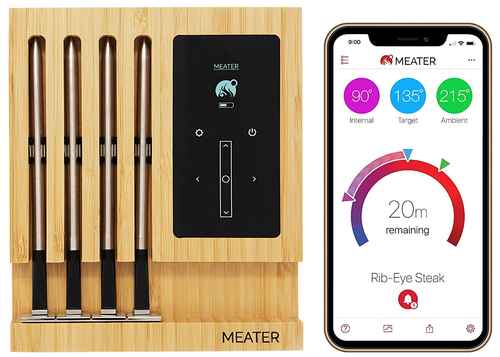
Using a meat thermometer is the most reliable method, but experienced cooks also rely on the ’fork test’-if the roast separates with gentle pressure, it’s ready.
Ingredients Needed
To create a flavorful elk roast, gather the following ingredients:
- 2-4 lb elk roast
- 2 tbsp olive oil or vegetable oil
- 1-2 cups beef or vegetable broth (enough to cover the base of the slow cooker)
- 1 large onion, sliced
- 3-4 garlic cloves, minced
- 2-3 carrots, cut into large chunks
- 2-3 celery stalks, cut into chunks
- 1-2 tbsp Worcestershire sauce or soy sauce for umami
- 1-2 tsp fresh rosemary or thyme, or 1 tsp each dried
- Salt and black pepper to taste
- Optional: 1 cup red wine or beer for added depth
- Optional thickener: 1-2 tsp cornstarch or flour for gravy
These ingredients combine to create a rich, aromatic environment in which the elk roast can slowly tenderize while absorbing flavor.
How To Cook Elk Roast In Slow Cooker
- Preparation: Pat the elk roast dry with paper towels. Season generously with salt, pepper, and any dried herbs.
- Searing (optional but recommended): Heat olive oil in a large skillet over medium-high heat. Brown the roast on all sides until a caramelized crust forms. This enhances both flavor and appearance.
- Layering in slow cooker: Place onions, carrots, and celery at the bottom of the slow cooker. Lay the elk roast on top of the vegetables.
- Adding liquid: Pour broth (and wine if using) over the roast. Add Worcestershire sauce or soy sauce. The liquid should cover at least the bottom half of the roast.
- Cooking: Cover and cook on low for 7-9 hours or high for 4-6 hours, until the meat is tender.
- Finishing: Remove roast and vegetables. Optionally, thicken the cooking liquid with cornstarch or flour over medium heat to create a rich gravy.
When Things Go Wrong
Even careful cooks may encounter issues:
- Dry meat: Likely due to insufficient liquid or overcooking. Next time, add extra broth and stick to low heat.
- Undercooked roast: Increase cooking time by 30-60 minutes; check with a meat thermometer.
- Bland flavor: Sear the meat first to lock in flavor and add aromatic herbs or umami-rich sauces to the cooking liquid.
Preparation, timing, and seasoning are your main tools for troubleshooting.
Expert Tips
- Marinate beforehand: Even a simple overnight marinade with oil, vinegar, and herbs can enhance tenderness and flavor.
- Use a meat thermometer: Because elk is lean, internal temperature is more reliable than cooking time alone.
- Avoid lifting the lid frequently: Every peek can add 15-20 minutes to the cooking process.
- Cut against the grain: When slicing the roast, cutting perpendicular to the muscle fibers ensures maximum tenderness.
Can I Do This Without A Slow Cooker?
Absolutely. You can roast elk in the oven:
- Preheat oven to 325°F (163°C).
- Sear the roast in a pan first, then transfer to a Dutch oven with vegetables and broth.
- Cover tightly and cook for 2.5-4 hours, checking for tenderness.
This method simulates the slow-cooker environment, though careful temperature control is necessary to avoid drying out the lean meat.
Reheating Leftovers In Slow Cooker
To reheat leftovers:
- Place sliced or shredded elk in the slow cooker.
- Add a small amount of broth or pan juices to prevent drying.
- Heat on low for 1-2 hours until warmed through.
Avoid high heat, which can make the meat tough. Slow reheating preserves the delicate texture of the elk.
FAQs
What Cut Of Elk Is Best For Slow Cooking?
For slow cooking, tougher cuts like the shoulder, chuck, or leg roast are ideal because the low, slow heat breaks down the connective tissue, resulting in tender, flavorful meat.
Do I Need To Sear The Elk Roast Before Slow Cooking?
Searing is not mandatory, but it is highly recommended. Browning the elk roast on all sides before placing it in the slow cooker enhances the flavor and helps lock in juices.
How Much Liquid Should I Add To A Slow Cooker Elk Roast?
Generally, you should add enough liquid to cover about one-third to one-half of the roast. Common choices include beef or vegetable broth, wine, or a combination of liquids and aromatic vegetables.
What Temperature And Cooking Time Is Best For Elk Roast In A Slow Cooker?
Cook the elk roast on low for 6-8 hours or on high for 4-5 hours. Slow cooking on low is preferable to ensure even cooking and tender results.
Should I Add Vegetables To The Slow Cooker With The Elk Roast?
Yes, adding root vegetables such as carrots, potatoes, and onions is ideal. Place them under or around the roast to allow them to absorb juices and flavors.
How Can I Ensure The Elk Roast Stays Moist During Slow Cooking?
Maintaining sufficient liquid, cooking on low heat, and avoiding lifting the lid during cooking are key. Basting the roast with its own juices halfway through can also help retain moisture.
Do I Need To Season The Elk Roast Before Slow Cooking?
Yes. Season the roast generously with salt, pepper, garlic, and herbs such as rosemary or thyme. This enhances the natural flavor of the meat during the long cooking process.
Can I Use A Frozen Elk Roast In The Slow Cooker?
It is not recommended to cook elk roast from frozen in a slow cooker, as it may remain in the temperature danger zone too long, increasing the risk of bacterial growth. Thaw the meat fully before cooking.
How Can I Make A Flavorful Sauce Or Gravy From The Slow Cooker Elk Roast?
After cooking, remove the roast and vegetables, then strain the liquid. Thicken it by simmering with a slurry of cornstarch and water or by adding flour and reducing it on the stovetop until desired consistency is reached.
How Should Leftovers Of Slow-cooked Elk Roast Be Stored?
Store leftover elk roast and vegetables in airtight containers in the refrigerator for up to 3-4 days. For longer storage, freeze portions in freezer-safe containers for up to 3 months, ensuring the meat is fully cooled before freezing.