
How To Cook Fish In Slow Cooker [GUIDE]
Cooking fish in a slow cooker may not be the first method that comes to mind, but it offers a unique and convenient way to prepare tender, flavorful meals without constant supervision. The gentle, even heat of a slow cooker allows delicate fish to cook uniformly, locking in moisture and enhancing the natural flavors. Unlike oven-baked or pan-fried fish, which can easily dry out, slow cooking ensures a soft, melt-in-your-mouth texture, making it ideal for delicate varieties like cod, tilapia, salmon, or haddock. Moreover, slow cookers are perfect for busy schedules-simply add your ingredients, set the temperature, and let the appliance work its magic while you focus on other tasks.
Beyond convenience, slow cooking fish is an opportunity to infuse it with aromatic herbs, spices, and sauces, creating dishes ranging from hearty stews and curries to light, healthy meals suitable for any diet. However, because fish is delicate, it requires careful attention to timing and temperature to avoid overcooking. This guide will walk you through every step of the process, ensuring you get consistently perfect results.
Contents
- 1 How Long To Cook Fish In Slow Cooker
- 2 How To Tell If It Is Done
- 3 Ingredients Needed
- 4 How To Cook Fish In Slow Cooker
- 5 When Things Go Wrong
- 6 Expert Tips
- 7 Can I Do This Without A Slow Cooker?
- 8 Reheating Leftovers In Slow Cooker
- 9 FAQs
- 9.1 What Types Of Fish Are Best For Cooking In A Slow Cooker?
- 9.2 Do I Need To Thaw Fish Before Using It In A Slow Cooker?
- 9.3 How Long Should Fish Be Cooked In A Slow Cooker?
- 9.4 Should I Add Liquid When Cooking Fish In A Slow Cooker?
- 9.5 Can I Cook Fish With Vegetables In A Slow Cooker?
- 9.6 How Do I Prevent Fish From Sticking To The Slow Cooker?
- 9.7 Is It Safe To Cook Fish In A Slow Cooker?
- 9.8 Can I Use Frozen Vegetables With Fish In A Slow Cooker?
- 9.9 How Should I Season Fish For Slow Cooking?
- 9.10 Can I Cook Multiple Types Of Fish Together In A Slow Cooker?
How Long To Cook Fish In Slow Cooker
Cooking time in a slow cooker can vary depending on the type of fish, the size and thickness of fillets, and whether you are cooking on a low or high setting. In general:
- Fillets (1-2 inches thick): 45 minutes to 1.5 hours on low, or 20-30 minutes on high.
- Whole fish: 1.5-2 hours on low, or 1 hour on high.
It is important to remember that fish cooks very quickly compared to other proteins. Unlike beef or chicken, which can simmer for hours without losing structure, fish becomes dry and loses its delicate texture if overcooked. Always start checking your fish at the minimum recommended cooking time to prevent overcooking.
The slow cooker’s sealed environment also means that steam builds up, which cooks the fish more evenly but can sometimes make timing slightly unpredictable. For thick, meaty cuts like salmon steaks, adding an extra 10-15 minutes may be necessary, but with thin white fish fillets, check early.
How To Tell If It Is Done
Unlike meat, fish doesn’t need to reach a specific internal temperature for safety, as long as it is fresh and properly handled. Still, ensuring doneness is crucial for texture and taste. Here are reliable methods:
- Flake Test: Insert a fork at the thickest part of the fish and twist gently. If the fish flakes easily and the flesh looks opaque throughout, it is done. Undercooked fish will resist flaking and appear translucent.
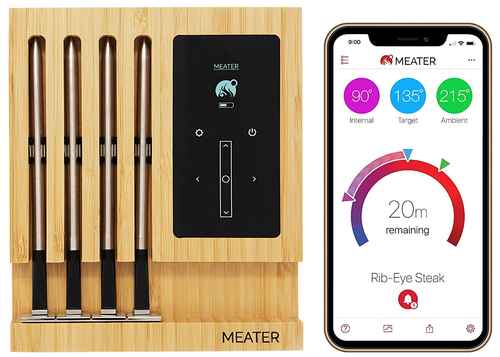
- Internal Temperature: For precision, use a digital thermometer. Fish is done at 145°F (63°C).
- Visual Cues: The flesh should change from translucent to opaque, and the surface should appear slightly firm. Overcooked fish will be tough, dry, and stringy.
- Juices: Fish releases natural juices while cooking. When these juices run clear, it’s a good sign of doneness.
Ingredients Needed
For a basic slow-cooked fish recipe, you will need:
- Fish fillets or whole fish (fresh or thawed) – 1-2 pounds
- Liquid (to prevent drying and add flavor): broth, wine, lemon juice, or a combination – ½ to 1 cup
- Aromatics: garlic, onion, ginger, or leeks – finely chopped
- Herbs and spices: dill, parsley, thyme, paprika, or cumin depending on desired flavor profile
- Vegetables (optional): potatoes, carrots, bell peppers, or tomatoes
- Olive oil or butter (1-2 tablespoons) for richness
- Salt and pepper to taste
Optional flavor boosters include soy sauce, coconut milk, mustard, or a splash of white wine. The slow cooker allows flavors to meld over time, so it’s an opportunity to experiment with complex sauces without risk of burning.
How To Cook Fish In Slow Cooker
- Prepare the Fish: Rinse and pat dry the fillets or whole fish. Season with salt, pepper, and any desired spices.
- Layer Ingredients: Place a layer of vegetables or aromatics in the bottom of the slow cooker. This prevents sticking and creates a flavorful base.
- Add Liquid: Pour the broth, wine, or sauce over the vegetables. The liquid should barely cover the base; fish doesn’t need to be submerged.
- Place Fish on Top: Lay the fish gently on top of the vegetables. Avoid overcrowding; fillets should be in a single layer.
- Cook: Cover and cook on low for 45 minutes to 1.5 hours or on high for 20-30 minutes. Check for doneness as described above.
- Finishing Touches: Optionally, add fresh herbs or a squeeze of lemon juice just before serving.
When Things Go Wrong
Even in a slow cooker, things can go wrong:
- Fish is overcooked: This usually happens from leaving it too long. Prevent by monitoring cooking time carefully and checking early. Adding a bit of liquid and a gentle stir can help salvage slightly dry fish.
- Fish sticks to the slow cooker: Layer vegetables underneath, lightly grease the slow cooker, or use parchment paper to create a non-stick surface.
- Fish tastes bland: Slow cooking can dilute flavors. Always season well, and consider finishing with fresh herbs, citrus, or a drizzle of flavored oil.
- Fish is watery: Too much liquid can make the fish mushy. Use only the necessary amount of liquid to generate steam without submerging the fish.
Expert Tips
- Choose the right fish: Tender, flaky fish works best. Avoid extremely delicate species like flounder if you want them to hold shape. Salmon, cod, tilapia, or haddock are ideal.
- Use a timer: Slow cookers vary in heat, so set a timer and check early to avoid overcooking.
- Layer wisely: Denser vegetables (carrots, potatoes) should be at the bottom, softer ingredients (tomatoes, zucchini) near the top.
- Add finishing elements at the end: Herbs, lemon juice, or cream-based sauces should be added in the last 10-15 minutes to preserve their bright flavor.
- Consider individual portions: Cooking fish in individual foil packets inside the slow cooker can ensure perfect texture and easier cleanup.
Can I Do This Without A Slow Cooker?
Yes! If you don’t have a slow cooker, fish can be cooked gently in the oven or on the stovetop:
- Oven: Wrap fish in parchment paper or foil with vegetables and cook at 275-300°F (135-150°C) for 15-25 minutes depending on thickness.
- Stovetop: Simmer fish gently in a covered skillet with a little broth or sauce for 10-15 minutes.
Both methods replicate the slow cooker’s gentle, moist environment, though they require closer monitoring.
Reheating Leftovers In Slow Cooker
Leftover fish can be reheated in a slow cooker, but delicate handling is essential:
- Low and slow: Set the slow cooker on low and warm the fish gently for 20-30 minutes.
- Avoid overcooking: Only heat until warmed through; prolonged reheating will make the fish dry.
- Add moisture: A splash of broth, lemon juice, or sauce helps maintain tenderness.
- Stir carefully: Avoid breaking the fish apart.
Alternatively, reheating in a microwave or steamer may preserve texture better for small portions.
FAQs
What Types Of Fish Are Best For Cooking In A Slow Cooker?
Firm, meaty fish such as salmon, cod, halibut, or haddock work best in a slow cooker. Delicate fish like tilapia or flounder can also be used but require shorter cooking times to prevent breaking apart.
Do I Need To Thaw Fish Before Using It In A Slow Cooker?
Yes, it is recommended to thaw frozen fish completely before adding it to the slow cooker. Cooking frozen fish directly can result in uneven cooking and may cause the fish to become mushy.
How Long Should Fish Be Cooked In A Slow Cooker?
Fish generally cooks quickly in a slow cooker, usually within 1 to 2 hours on the low setting or 30 to 60 minutes on high. Cooking times depend on the type and thickness of the fish.
Should I Add Liquid When Cooking Fish In A Slow Cooker?
Yes, adding a small amount of liquid such as broth, water, wine, or a sauce helps keep the fish moist and prevents it from drying out. Typically, ½ to 1 cup of liquid is sufficient.
Can I Cook Fish With Vegetables In A Slow Cooker?
Absolutely. Root vegetables like potatoes, carrots, and onions can be placed at the bottom of the slow cooker, while fish is added on top to prevent overcooking. Softer vegetables may be added closer to the end of cooking.
How Do I Prevent Fish From Sticking To The Slow Cooker?
To prevent sticking, lightly grease the slow cooker with oil or butter, or line it with parchment paper. Adding a layer of vegetables or liquid under the fish also helps reduce direct contact with the pot.
Is It Safe To Cook Fish In A Slow Cooker?
Yes, slow cookers safely cook fish as long as the internal temperature reaches at least 145°F (63°C) and the fish is handled properly before cooking. Avoid leaving the fish at room temperature for extended periods before cooking.
Can I Use Frozen Vegetables With Fish In A Slow Cooker?
Yes, frozen vegetables can be used. However, they may release extra water during cooking, which can dilute flavors. Adjust seasonings or reduce added liquid to compensate.
How Should I Season Fish For Slow Cooking?
Season fish lightly with herbs, spices, lemon juice, garlic, or marinades. Because slow cookers retain moisture, flavors meld together, so it’s best not to over-season. Strong herbs like dill, parsley, or thyme work well.
Can I Cook Multiple Types Of Fish Together In A Slow Cooker?
It is possible, but caution is needed. Different types of fish may have varying cooking times. To ensure even cooking, select fish with similar textures and thickness, or add more delicate fish later in the cooking process.