
How To Cook 2kg Ham In Slow Cooker [GUIDE]
Ham has long been a centerpiece of festive tables and Sunday dinners, revered for its rich flavor, succulent texture, and the comforting aroma it brings to the kitchen. While oven roasting is the traditional approach, the slow cooker offers a modern, hands-off alternative that produces tender, flavorful results with minimal effort. Cooking a 2kg ham in a slow cooker allows the meat to absorb a delicate blend of seasonings while maintaining moisture, ensuring every slice is juicy and infused with savory goodness. The gentle, even heat of slow cooking transforms the ham into a melt-in-your-mouth delight, making it perfect for family meals, special occasions, or any time you want an impressive yet effortless dish.
Contents
- 1 How Long To Cook 2kg Ham In Slow Cooker
- 2 How To Tell If It Is Done
- 3 Ingredients Needed
- 4 How To Cook 2kg Ham In Slow Cooker
- 5 When Things Go Wrong
- 6 Expert Tips
- 7 Can I Do This Without A Slow Cooker?
- 8 Reheating Leftovers In Slow Cooker
- 9 FAQs
- 9.1 How Long Should I Cook A 2kg Ham In A Slow Cooker?
- 9.2 Do I Need To Add Liquid To The Slow Cooker When Cooking Ham?
- 9.3 Should I Remove The Skin Or Fat Layer Before Cooking Ham In A Slow Cooker?
- 9.4 Can I Glaze The Ham Before Slow Cooking?
- 9.5 Do I Need To Cover The Slow Cooker While Cooking Ham?
- 9.6 Can I Cook A Frozen 2kg Ham In The Slow Cooker?
- 9.7 How Can I Tell If The Ham Is Fully Cooked?
- 9.8 Can I Add Vegetables To Cook With The Ham In The Slow Cooker?
- 9.9 Should I Rest The Ham After Cooking In The Slow Cooker?
- 9.10 Can I Store Leftovers From Slow-cooked Ham?
How Long To Cook 2kg Ham In Slow Cooker
Timing is crucial when slow cooking ham. A 2kg (approximately 4.4 pounds) ham requires a careful balance between slow, gentle cooking and achieving a safe internal temperature. Typically, a 2kg ham cooked on low heat will take 4-6 hours, while cooking on high heat reduces the time to around 2.5-3.5 hours. However, the exact timing can vary depending on the type of ham (pre-cooked, raw, or smoked) and your specific slow cooker model. The goal is to heat the ham thoroughly while allowing the flavors of any glaze or aromatics to penetrate deeply without drying out the meat.
How To Tell If It Is Done
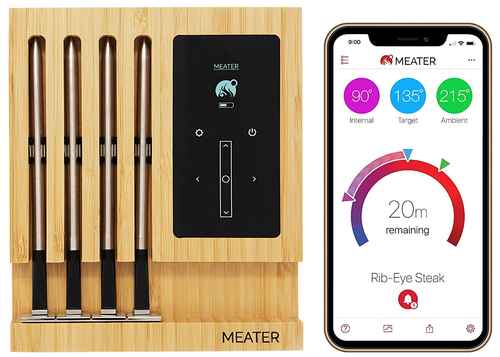
Determining doneness is critical to ensure both safety and optimal texture. The most reliable method is using a meat thermometer. Insert it into the thickest part of the ham without touching the bone. The internal temperature should reach 60°C (140°F) for pre-cooked ham and 70°C (160°F) for raw ham. Apart from temperature, visual cues are helpful: the exterior should develop a warm, golden-brown hue if glazed, and the meat should pull apart slightly with a fork while remaining moist. Avoid overcooking, as this can lead to dry, stringy slices.
Ingredients Needed
To elevate the flavor of a 2kg ham in a slow cooker, you will need a mix of simple yet aromatic ingredients:
- 2kg ham (pre-cooked or raw, depending on preference)
- 1/2 cup brown sugar or honey (for sweetness)
- 1/4 cup Dijon mustard or whole-grain mustard (for tang)
- 1/2 cup pineapple juice, apple juice, or orange juice (adds moisture and a fruity glaze)
- 1 teaspoon ground cloves or allspice (optional, for a warm, aromatic touch)
- 1 onion, sliced (adds depth of flavor)
- 2-3 garlic cloves, minced
- Fresh herbs such as rosemary or thyme (optional)
- Black pepper to taste
These ingredients combine to create a glaze and cooking liquid that infuses the ham with sweetness, acidity, and aromatic complexity.
How To Cook 2kg Ham In Slow Cooker
- Prepare the ham: Score the surface of the ham in a diamond pattern if you want the glaze to penetrate more effectively.
- Mix the glaze: In a bowl, combine brown sugar, mustard, juice, cloves, and any herbs. Adjust sweetness or tanginess to taste.
- Layer aromatics: Place sliced onions and minced garlic at the bottom of the slow cooker, creating a flavorful base.
- Add the ham: Place the ham on top of the aromatics, flat side down.
- Apply the glaze: Pour the glaze mixture over the ham, ensuring it seeps into the scored lines.
- Cover and cook: Set the slow cooker to low for 4-6 hours or high for 2.5-3.5 hours, basting occasionally if desired.
- Rest before serving: Once done, let the ham rest for 10-15 minutes to allow juices to redistribute. Slice and serve.
When Things Go Wrong
Even with a slow cooker, challenges can arise:
- Ham is dry: This usually occurs if cooked too long. Baste with additional juice or glaze halfway through cooking to maintain moisture.
- Glaze burns: Excess sugar in the glaze can burn, especially on high heat. Consider adding liquid to the base of the slow cooker to prevent scorching.
- Undercooked meat: Always verify the internal temperature with a meat thermometer. Slow cookers vary in heat output, so adjust timing accordingly.
- Flavor too mild: Add more herbs, garlic, or a splash of acidic juice to the slow cooker to boost taste mid-cooking.
Expert Tips
- Use the bone if possible: Bone-in hams retain moisture better and improve flavor.
- Let it rest: Resting for 10-15 minutes after cooking prevents juices from spilling out when sliced.
- Baste mid-way: Brushing glaze on the ham every 2 hours keeps it glossy and flavorful.
- Use foil: Covering with foil inside the slow cooker can prevent the glaze from over-caramelizing or burning.
- Reserve cooking liquid: This liquid can serve as a base for gravies or sauces.
Can I Do This Without A Slow Cooker?
Yes. A slow cooker is not strictly necessary. You can achieve similar results in an oven by:
- Preheating the oven to 150°C (300°F).
- Placing the ham in a roasting pan with the same glaze and aromatics.
- Covering with foil and roasting for 2.5-3 hours, basting periodically.
- Removing the foil for the last 30 minutes to caramelize the glaze.
While the oven method takes slightly more attention, the flavors and tenderness can still be exceptional.
Reheating Leftovers In Slow Cooker
Reheating ham in a slow cooker keeps it moist and prevents drying:
- Slice the leftover ham into uniform pieces.
- Place in the slow cooker with a splash of juice or broth to add moisture.
- Cover and reheat on low for 1-2 hours until warmed through.
- Avoid high heat, which can dry out the meat.
This method ensures leftovers remain succulent and flavorful for sandwiches, salads, or casseroles.
FAQs
How Long Should I Cook A 2kg Ham In A Slow Cooker?
For a 2kg ham, cook on low heat for 6 to 8 hours, or on high heat for 4 to 5 hours. Slow cooking ensures the ham becomes tender and retains its moisture.
Do I Need To Add Liquid To The Slow Cooker When Cooking Ham?
Yes, adding 1/2 to 1 cup of liquid such as water, broth, apple juice, or a mixture of these helps prevent the ham from drying out and allows it to cook evenly.
Should I Remove The Skin Or Fat Layer Before Cooking Ham In A Slow Cooker?
It is recommended to leave the fat layer on, as it helps keep the ham moist. You can score the fat to allow flavors from glazes or spices to penetrate.
Can I Glaze The Ham Before Slow Cooking?
Yes, you can apply a glaze before cooking or during the last 30-60 minutes of cooking. Glazes with honey, brown sugar, mustard, or fruit juices add flavor and create a caramelized finish.
Do I Need To Cover The Slow Cooker While Cooking Ham?
Always cover the slow cooker with the lid while cooking. This traps heat and moisture, ensuring the ham cooks evenly and stays tender.
Can I Cook A Frozen 2kg Ham In The Slow Cooker?
It is not recommended to cook a frozen ham in the slow cooker, as it may stay in the unsafe temperature zone too long. Thaw the ham completely in the refrigerator before cooking.
How Can I Tell If The Ham Is Fully Cooked?
Use a meat thermometer to check the internal temperature. Fully cooked ham should reach at least 60°C (140°F) for pre-cooked hams, or 70°C (160°F) if it is raw.
Can I Add Vegetables To Cook With The Ham In The Slow Cooker?
Yes, root vegetables like potatoes, carrots, and onions can be added. Place them at the bottom of the slow cooker, as they take longer to cook than the ham.
Should I Rest The Ham After Cooking In The Slow Cooker?
Yes, let the ham rest for 10-15 minutes after removing it from the slow cooker. This allows juices to redistribute, making the ham juicier and easier to carve.
Can I Store Leftovers From Slow-cooked Ham?
Leftover ham can be stored in an airtight container in the refrigerator for up to 3-4 days, or frozen for up to 2 months. Reheat gently to avoid drying out the meat.