
How To Cook Marinated Chicken In Slow Cooker [GUIDE]
Cooking marinated chicken in a slow cooker is one of the most reliable ways to achieve tender, richly flavored meat that practically falls apart under a fork. Unlike high-heat methods, slow cooking gently breaks down muscle fibers over several hours, allowing the marinade to penetrate more deeply and transform simple ingredients into a complex, satisfying meal. Whether you are working with a store-bought marinade or crafting your own blend of herbs, aromatics, acids, and oils, the slow cooker excels at amplifying flavor while requiring minimal hands-on effort. This guide will walk you through cooking times, doneness cues, essential ingredients, troubleshooting, and expert insights so you can create consistently excellent slow-cooked marinated chicken every time.
Contents
- 1 How Long To Cook Marinated Chicken In Slow Cooker
- 2 How To Tell If It Is Done
- 3 Ingredients Needed
- 4 How To Cook Marinated Chicken In Slow Cooker
- 5 When Things Go Wrong
- 6 Expert Tips
- 7 Can I Do This Without A Slow Cooker?
- 8 Reheating Leftovers In Slow Cooker
- 9 FAQs
- 9.1 Can I Cook Frozen Marinated Chicken In A Slow Cooker?
- 9.2 How Long Should I Cook Marinated Chicken In A Slow Cooker?
- 9.3 Do I Need To Add Extra Liquid If My Chicken Is Already Marinated?
- 9.4 Should I Sear The Chicken Before Slow Cooking?
- 9.5 What Type Of Slow Cooker Setting Is Best For Marinated Chicken?
- 9.6 How Do I Know When The Chicken Is Fully Cooked?
- 9.7 Can I Cook Different Cuts Of Chicken Together In A Slow Cooker?
- 9.8 Can I Reuse Leftover Marinade For Cooking?
- 9.9 Can Vegetables Be Added To The Slow Cooker With Marinated Chicken?
- 9.10 How Can I Prevent My Slow-cooked Chicken From Being Dry?
How Long To Cook Marinated Chicken In Slow Cooker
The ideal cooking time depends on the cut, the thickness, and how much liquid the marinade contributes to the pot.
For Boneless, Skinless Chicken Breasts
- Low setting: 4 to 5 hours
- High setting: 2 to 3 hours
Be cautious not to exceed these times with breasts, as they can become dry and stringy despite being submerged in marinade.
For Boneless, Skinless Chicken Thighs
- Low setting: 5 to 6 hours
- High setting: 3 to 4 hours
Thighs are more forgiving thanks to their higher fat content and connective tissue, which benefits from longer cooking.
For Bone-in Thighs Or Drumsticks
- Low setting: 6 to 7 hours
- High setting: 4 to 5 hours
Bone-in pieces cook more slowly but reward you with exceptionally rich flavor.
For Whole Chicken Pieces (split Breasts, Leg Quarters)
- Low setting: 6 to 7 hours
- High setting: 4 to 5 hours
The key rule is that slow cookers vary in temperature output. If using a model known to run hotter or cooler, adjust times slightly.
How To Tell If It Is Done
Doneness is determined by both temperature and texture.
Temperature Check
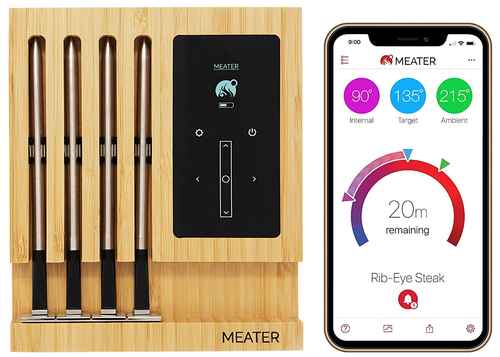
Use an instant-read thermometer inserted in the thickest part of the meat without touching bone.
- A safe internal temperature is 165°F (74°C) for all poultry.
Texture Indicators
Properly cooked slow-cooker chicken should feel firm but not stiff. If it is rubbery or resistant, it is not done. If it shreds with light pressure from a fork, it is fully tender, though breasts may shred sooner than thighs.
Color Considerations
Do not rely solely on color, as marinades containing soy sauce, vinegar, citrus, or spices can darken meat even while it is undercooked. Always use temperature plus texture as your primary cues.
Ingredients Needed
Ingredients will vary depending on the marinade, but a strong foundational list includes:
For The Chicken
- 2 to 3 pounds of chicken (breasts, thighs, or mixed cuts)
- Salt and pepper (if not heavily salted in marinade)
For The Marinade
- Acid (lemon juice, vinegar, citrus, yogurt, or wine)
- Oil (olive oil, avocado oil, or neutral cooking oil)
- Aromatics (garlic, ginger, onions, shallots)
- Herbs (thyme, rosemary, oregano, cilantro, parsley, dill)
- Spices (paprika, chili powder, cumin, coriander, turmeric)
- Salt and sweeteners (soy sauce, honey, brown sugar, or molasses)
For The Slow Cooker Environment
- Optional broth or water (¼-½ cup if marinade is thick)
- Optional vegetables (onions, carrots, potatoes, peppers) for a complete meal
How To Cook Marinated Chicken In Slow Cooker
-
Prepare The Chicken
Pat the chicken dry before placing it in the slow cooker. This prevents excess moisture buildup and helps the marinade cling better.
-
Add The Marinade
If the chicken has been marinating in the refrigerator, pour both the chicken and the marinade into the slow cooker. If the marinade is extremely thick or low in liquid, add a small amount of broth or water so the cooker can circulate heat properly.
-
Layer Intentionally
Place denser ingredients such as onions or root vegetables at the bottom. Lay the chicken on top so it cooks evenly and avoids steaming in its own juices too quickly.
-
Set The Temperature
Choose Low for best texture, especially for thighs. High may be used when time is short, but monitor closely.
-
Cover And Cook
Keep the lid sealed. Removing it releases heat and significantly extends cooking time.
-
Check Doneness Near The End
Use a thermometer and texture test as described earlier.
-
Rest And Serve
Allow the chicken to rest for 5 to 10 minutes after cooking so juices redistribute. Serve with rice, potatoes, crusty bread, or roasted vegetables.
When Things Go Wrong
Even with a foolproof slow cooker, issues can arise.
Chicken Turned Out Dry
This often occurs with boneless breasts or from overcooking. Next time, reduce cooking time or switch to thighs. Increasing fat content in the marinade also helps.
Chicken Is Tough Or Rubbery
This typically means it is undercooked. Continue cooking in 30-minute increments until tender.
Watery Results
Slow cookers trap moisture. If the marinade was thin, the final dish may have more liquid than expected. To fix, remove the chicken and simmer the sauce on the stovetop until thickened, or create a slurry from cornstarch and water and whisk it in during the last 30 minutes.
Burning Or Sticking
This is uncommon but can happen if the marinade contains sugar and too little liquid. Add a small amount of broth or water at the start.
Expert Tips
- Marinate ahead of time: Let the chicken marinate for at least 2 hours, ideally overnight, for maximum flavor absorption.
- Avoid dairy-based marinades cooked on High: Yogurt or buttermilk marinades can curdle under high heat. Use Low for the full duration.
- Trim excess fat for clarity but keep some for moisture: Too much fat can make the liquid greasy, but removing all of it leads to dryness.
- Use the right container: Stainless steel or ceramic slow cooker inserts retain and distribute heat consistently.
- Do not overcrowd: Proper heat circulation requires that pieces are not tightly packed.
- Finish with fresh elements: A squeeze of lemon, fresh herbs, or a drizzle of olive oil right before serving brings brightness to the slow-cooked richness.
Can I Do This Without A Slow Cooker?
Yes. Several alternatives produce excellent results:
In The Oven
- Preheat to 300°F (150°C).
- Place marinated chicken in a covered Dutch oven or casserole dish.
- Cook for 1.5 to 2.5 hours depending on cut and thickness.
- This method mimics the gentle heat of a slow cooker.
On The Stovetop
- Use a heavy pot with a tight lid.
- Bring marinade and chicken to a very low simmer, then cook over the lowest heat for 60 to 90 minutes.
- Rotate occasionally to ensure even cooking.
In A Pressure Cooker Or Instant Pot
- Cook marinated chicken on High Pressure for 7 to 12 minutes depending on cut, then allow at least 5 minutes of natural release.
- Texture will be slightly different from slow-cooked chicken but still very tender.
Reheating Leftovers In Slow Cooker
A slow cooker is not ideal for reheating leftovers due to the extended time food spends in the temperature “danger zone”. If you must use one, follow these precautions:
- Heat the leftovers in a microwave or on the stovetop until they reach at least 165°F (74°C).
- Transfer the hot food into the slow cooker to keep it warm on the Warm setting.
- Do not place cold chicken directly into the slow cooker for reheating, as it may take too long to reach a safe temperature.
Safer and faster reheating methods include the stovetop, oven, or microwave.
FAQs
Can I Cook Frozen Marinated Chicken In A Slow Cooker?
It is not recommended to cook frozen chicken directly in a slow cooker because it can stay in the temperature ’danger zone’ for too long, allowing bacteria to multiply. Always thaw the chicken in the refrigerator before placing it in the slow cooker.
How Long Should I Cook Marinated Chicken In A Slow Cooker?
Cooking time depends on the size and cut of the chicken. Typically, boneless chicken breasts take 3-4 hours on low or 2-3 hours on high. Bone-in chicken thighs or drumsticks require 5-6 hours on low or 3-4 hours on high.
Do I Need To Add Extra Liquid If My Chicken Is Already Marinated?
Marinated chicken often contains some liquid, but adding a small amount of broth or water (about 1/4 to 1/2 cup) can help prevent the chicken from drying out and ensure even cooking.
Should I Sear The Chicken Before Slow Cooking?
Searing is optional but recommended if you want extra flavor. Browning the chicken in a hot skillet before slow cooking adds depth and caramelization to the final dish.
What Type Of Slow Cooker Setting Is Best For Marinated Chicken?
Using the low setting is generally preferred for tender, juicy chicken, as it allows flavors to develop gradually. High setting can be used if you’re short on time, but monitor carefully to avoid overcooking.
How Do I Know When The Chicken Is Fully Cooked?
Use a meat thermometer to ensure the internal temperature reaches 165°F (74°C). The chicken should also be opaque, tender, and easily pull apart with a fork.
Can I Cook Different Cuts Of Chicken Together In A Slow Cooker?
Yes, but keep in mind that different cuts may have different cooking times. Bone-in pieces may take longer than boneless, so arrange them carefully or consider starting bone-in pieces earlier.
Can I Reuse Leftover Marinade For Cooking?
Do not reuse raw marinade directly, as it may contain harmful bacteria from raw chicken. If you want to use it as a sauce, bring it to a boil for at least 5 minutes before adding it to the cooked chicken.
Can Vegetables Be Added To The Slow Cooker With Marinated Chicken?
Yes, vegetables like carrots, potatoes, and onions can be added. Place denser vegetables at the bottom, as they require longer cooking, and layer chicken on top to cook evenly.
How Can I Prevent My Slow-cooked Chicken From Being Dry?
Ensure you do not overcook, use some liquid, and choose cuts with some fat or bone-in pieces for moisture. Leaving the lid on during cooking helps retain steam and juiciness.