
How To Cook Beef Chunks In Slow Cooker [GUIDE]
Cooking beef chunks in a slow cooker is a culinary practice that transforms a simple cut of meat into a tender, flavorful dish with minimal effort. The beauty of slow cooking lies in its ability to break down the tough connective tissues in beef, turning what would otherwise be a chewy, challenging cut into something succulent and melt-in-your-mouth. Unlike conventional stovetop or oven methods that demand constant attention, a slow cooker allows for a ’set it and forget it’ approach, giving you time to focus on other tasks while your kitchen fills with the rich aroma of simmering meat, vegetables, and aromatic spices. From hearty stews and comforting curries to versatile meat sauces, the slow cooker has become a staple for anyone seeking convenience without compromising flavor. Understanding how to cook beef chunks properly ensures you achieve that perfect balance of tenderness, taste, and aroma.
Contents
- 1 How Long To Cook Beef Chunks In Slow Cooker
- 2 How To Tell If It Is Done
- 3 Ingredients Needed
- 4 How To Cook Beef Chunks In Slow Cooker
- 5 When Things Go Wrong
- 6 Expert Tips
- 7 Can I Do This Without A Slow Cooker?
- 8 Reheating Leftovers In Slow Cooker
- 9 FAQs
- 9.1 What Type Of Beef Is Best For Slow Cooking In Chunks?
- 9.2 Do I Need To Sear Beef Chunks Before Adding Them To The Slow Cooker?
- 9.3 How Much Liquid Should I Add When Cooking Beef Chunks In A Slow Cooker?
- 9.4 What Vegetables Can I Add To Beef Chunks In A Slow Cooker?
- 9.5 How Long Does It Take To Cook Beef Chunks In A Slow Cooker?
- 9.6 Can I Use Frozen Beef Chunks In The Slow Cooker?
- 9.7 How Can I Thicken The Sauce When Slow Cooking Beef Chunks?
- 9.8 How Do I Prevent Beef Chunks From Becoming Dry In A Slow Cooker?
- 9.9 Can I Add Herbs And Spices To Beef Chunks In A Slow Cooker?
- 9.10 Is It Safe To Leave Beef Chunks In The Slow Cooker For Extended Periods?
How Long To Cook Beef Chunks In Slow Cooker
The cooking time for beef chunks in a slow cooker depends on several factors: the size and type of the beef, the temperature setting on the cooker, and whether the beef is seared beforehand. As a general rule:
- Low setting: 6-8 hours
- High setting: 3-4 hours
It’s important to note that slow cooking is forgiving-cooking for slightly longer than the recommended time usually doesn’t ruin the dish. However, overcooking can sometimes cause the meat to dry out if the slow cooker runs too hot or lacks sufficient liquid. Cuts like chuck, brisket, or round are ideal for slow cooking because they contain collagen that melts into gelatin, enriching the dish’s texture and flavor.
How To Tell If It Is Done
Determining doneness goes beyond simply checking the clock. For slow-cooked beef chunks:
- Texture Test: The meat should be fork-tender, meaning a fork slides in and out with little resistance. If the chunks are still tough, they need more cooking time.
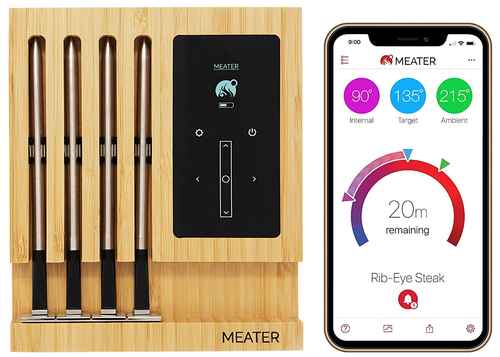
- Internal Temperature: Use a meat thermometer for accuracy. Beef should reach a minimum internal temperature of 145°F (63°C) for medium-rare, but for slow-cooked dishes, aiming for 190-205°F (88-96°C) ensures the connective tissue has fully broken down.
- Visual Cues: The color should be consistent throughout-no pink in the center unless you’re intentionally aiming for a rare finish. The juices should run clear, signaling thorough cooking.
Ingredients Needed
A classic slow-cooked beef chunk recipe requires both core and optional ingredients to enhance flavor:
Core Ingredients
- 2 pounds of beef chunks (chuck, round, or brisket)
- 1-2 cups beef broth or stock
- 2 tablespoons olive oil (for searing)
- 1 large onion, diced
- 3-4 cloves garlic, minced
- 2-3 carrots, chopped
- 2-3 celery stalks, chopped
- Salt and pepper to taste
Optional Flavor Enhancers
- 2 tablespoons tomato paste or sauce
- 1 teaspoon dried thyme or rosemary
- 1 bay leaf
- 1-2 tablespoons Worcestershire sauce
- 1 cup red wine for depth of flavor
How To Cook Beef Chunks In Slow Cooker
- Prepare the Meat: Trim excess fat and cut the beef into uniform chunks for even cooking. Pat dry with paper towels.
- Sear for Flavor: Heat olive oil in a skillet over medium-high heat. Sear beef chunks on all sides until browned. This step caramelizes the meat, adding rich depth to the final dish.
- Layer Ingredients: Place vegetables at the bottom of the slow cooker to prevent scorching, then add beef chunks on top. Pour broth, wine, or sauce over the mixture. Add seasonings and herbs.
- Slow Cook: Cover and set the slow cooker to low for 6-8 hours or high for 3-4 hours. Avoid lifting the lid frequently, as this releases heat and prolongs cooking.
- Final Adjustments: About 30 minutes before serving, taste and adjust seasonings. If a thicker sauce is desired, remove the lid for the last 30 minutes or stir in a slurry of cornstarch and water.
When Things Go Wrong
Even experienced cooks encounter slow cooker mishaps. Common problems include:
- Tough Meat: Likely caused by undercooking or using a lean cut. Solution: Extend cooking time and ensure there is enough liquid.
- Watery Broth: Too much liquid can dilute flavor. Reduce sauce at the end or thicken with cornstarch.
- Overcooked or Mushy Vegetables: Denser vegetables like carrots and potatoes can withstand slow cooking, but softer vegetables like zucchini may disintegrate. Add delicate vegetables later in the cooking process.
Expert Tips
- Sear First: Browning the meat isn’t mandatory, but it develops umami-rich flavors.
- Uniform Chunk Size: Ensures even cooking and prevents some pieces from drying out.
- Don’t Overcrowd: Give the meat and vegetables room for steam to circulate.
- Check Liquid Levels: Slow cookers don’t evaporate much liquid, so too much stock can result in a soupy stew.
- Use Acid: A splash of vinegar, lemon juice, or wine brightens the dish and tenderizes meat.
Can I Do This Without A Slow Cooker?
Yes, though results differ slightly:
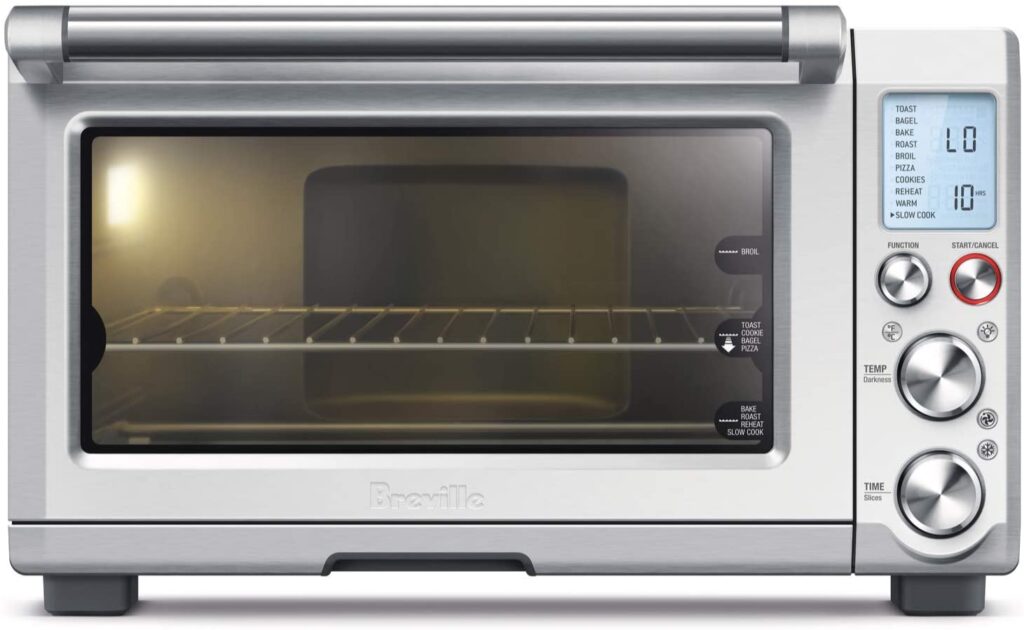
- Stovetop Method: Use a heavy-bottomed pot or Dutch oven. Simmer gently on low heat for 2-3 hours, stirring occasionally and adding liquid as needed.
-
Oven Method: Preheat to 300°F (150°C), cover a Dutch oven, and cook for 2-3 hours until tender.
The slow cooker’s advantage lies in its consistent low temperature and hands-off convenience, which is hard to replicate exactly on a stove or in the oven.
Reheating Leftovers In Slow Cooker
Slow cookers are ideal for gently reheating leftovers without drying them out:
- Transfer leftovers to the slow cooker.
- Add a splash of broth or water to maintain moisture.
- Heat on low for 1-2 hours or until the beef reaches the desired temperature. Avoid high heat, which can overcook or toughen the meat.
FAQs
What Type Of Beef Is Best For Slow Cooking In Chunks?
Tougher, well-marbled cuts such as chuck, round, or brisket are ideal for slow cooking. These cuts become tender and flavorful as they slowly cook, breaking down the connective tissues.
Do I Need To Sear Beef Chunks Before Adding Them To The Slow Cooker?
Searing is optional but recommended. Browning the beef chunks in a hot pan before slow cooking enhances flavor through the Maillard reaction and adds depth to the overall dish.
How Much Liquid Should I Add When Cooking Beef Chunks In A Slow Cooker?
Typically, 1 to 2 cups of broth, water, or sauce is sufficient, depending on the size of your slow cooker. The liquid should partially cover the beef but not completely submerge it to avoid dilution of flavors.
What Vegetables Can I Add To Beef Chunks In A Slow Cooker?
Root vegetables such as carrots, potatoes, and parsnips are excellent choices. Onions, celery, and garlic also enhance flavor. Add delicate vegetables like peas or green beans toward the end of cooking to prevent overcooking.
How Long Does It Take To Cook Beef Chunks In A Slow Cooker?
Cooking times vary based on the size of the chunks and heat setting. Generally, cook on low for 7-8 hours or on high for 4-5 hours. The beef should be fork-tender when done.
Can I Use Frozen Beef Chunks In The Slow Cooker?
It is not recommended to cook beef directly from frozen as it can remain in the danger zone temperature too long, increasing the risk of bacterial growth. Thaw beef in the refrigerator before slow cooking for best results.
How Can I Thicken The Sauce When Slow Cooking Beef Chunks?
To thicken the sauce, you can mix 1-2 tablespoons of cornstarch or flour with cold water and stir it in during the last 30 minutes of cooking. Alternatively, remove the beef and reduce the liquid on the stove over medium heat.
How Do I Prevent Beef Chunks From Becoming Dry In A Slow Cooker?
Choose cuts with sufficient fat and connective tissue, add enough liquid, and avoid overcooking. Cooking on a low setting for longer periods generally keeps beef moist compared to high heat.
Can I Add Herbs And Spices To Beef Chunks In A Slow Cooker?
Yes. Herbs like rosemary, thyme, bay leaves, and spices such as paprika or black pepper enhance flavor. Fresh herbs are best added in the last 30 minutes to preserve their aroma.
Is It Safe To Leave Beef Chunks In The Slow Cooker For Extended Periods?
Yes, slow cookers are designed for unattended cooking, but avoid cooking beyond the recommended time. Extended cooking can cause meat to break down excessively, affecting texture, and can reduce the overall flavor quality.