
How To Cook Frozen Broccoli In Slow Cooker [GUIDE]
Frozen broccoli is a kitchen staple for good reason. Packed with nutrients, flavor, and a convenient long shelf life, it provides a fast, reliable way to incorporate greens into your meals without worrying about spoilage. While many default to steaming or microwaving frozen broccoli, using a slow cooker opens up a whole new dimension: gentle, even cooking that preserves the vegetable’s natural texture and vibrant color while allowing it to absorb any accompanying flavors. Cooking frozen broccoli in a slow cooker is not just convenient-it’s an opportunity to turn a simple vegetable into a tender, flavorful side dish that pairs beautifully with everything from roasted meats to hearty grains. The process is simple, forgiving, and perfect for busy weeknights or meal-prep planning.
Contents
- 1 How Long To Cook Frozen Broccoli In Slow Cooker
- 2 How To Tell If It Is Done
- 3 Ingredients Needed
- 4 How To Cook Frozen Broccoli In Slow Cooker
- 5 When Things Go Wrong
- 6 Expert Tips
- 7 Can I Do This Without A Slow Cooker?
- 8 Reheating Leftovers In Slow Cooker
- 9 FAQs
- 9.1 Can I Cook Frozen Broccoli Directly In A Slow Cooker?
- 9.2 Do I Need To Thaw Frozen Broccoli Before Using It In A Slow Cooker?
- 9.3 How Long Should I Cook Frozen Broccoli In A Slow Cooker?
- 9.4 What Slow Cooker Settings Are Best For Frozen Broccoli?
- 9.5 Will Frozen Broccoli Release Too Much Water In The Slow Cooker?
- 9.6 Can I Season Frozen Broccoli In The Slow Cooker?
- 9.7 Can Frozen Broccoli Be Cooked With Meat In The Slow Cooker?
- 9.8 Does Cooking Frozen Broccoli In A Slow Cooker Affect Its Nutrients?
- 9.9 Can I Make A Creamy Broccoli Dish In A Slow Cooker Using Frozen Broccoli?
- 9.10 How Can I Prevent Frozen Broccoli From Becoming Mushy In The Slow Cooker?
How Long To Cook Frozen Broccoli In Slow Cooker
Timing is crucial when slow-cooking frozen broccoli, as the delicate florets can easily overcook and become mushy. Generally, frozen broccoli requires about 2 to 3 hours on the low setting, or 1 to 2 hours on high. These are approximate ranges because slow cooker models vary in heat intensity and shape. It’s important to remember that frozen broccoli is already partially blanched before freezing, meaning it doesn’t require prolonged cooking like raw vegetables. Overcooking will result in limp florets and a muted green color, so keeping an eye-or nose-on the broccoli is essential.
How To Tell If It Is Done
Determining doneness is easier than you might think. There are three key indicators:
- Texture: The florets should be tender but not mushy. Stick a fork into the thickest part of the stem-it should slide in with gentle resistance. If it falls apart or feels excessively soft, it’s overcooked.
- Color: Vibrant green is the hallmark of perfectly cooked broccoli. A dull or olive-green hue suggests it has been cooking too long.
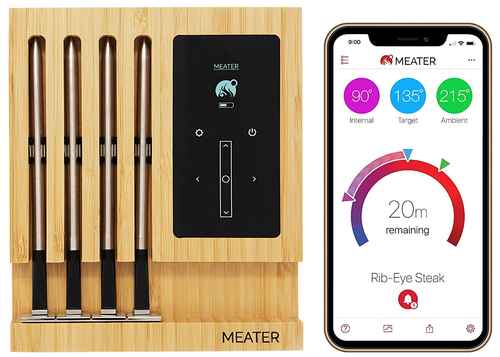
- Aroma: Fresh, slightly sweet, earthy aromas indicate readiness. A strong, sulfurous odor is a sign that the broccoli has overcooked.
For the best balance, check the broccoli 30 minutes before the expected cooking time ends, especially when using a slow cooker for the first time.
Ingredients Needed
Cooking frozen broccoli in a slow cooker doesn’t require much, but a few additional ingredients can elevate its flavor:
- 1 to 2 bags of frozen broccoli florets (about 12-16 ounces each)
- 1-2 tablespoons of olive oil or unsalted butter
- 1/2 cup vegetable or chicken broth (optional, for steaming and flavor)
- 1-2 cloves garlic, minced (optional, for added depth)
- Salt and pepper, to taste
- Optional seasonings: lemon zest, red pepper flakes, onion powder, or grated Parmesan
These ingredients allow the broccoli to cook gently while absorbing complementary flavors, transforming it from a plain side into a dish that’s both visually appealing and delicious.
How To Cook Frozen Broccoli In Slow Cooker
- Prepare the slow cooker: Lightly grease the inside with olive oil or cooking spray to prevent sticking.
- Add ingredients: Place frozen broccoli directly into the slow cooker. Add minced garlic, broth, and any seasonings. Toss gently to coat.
- Cook: Cover and set your slow cooker to low for 2 to 3 hours, or high for 1 to 2 hours. Avoid lifting the lid frequently, as this lets heat escape and can extend cooking time.
- Check for doneness: Use the texture, color, and aroma guidelines described earlier.
- Serve: Once tender, adjust seasoning with salt, pepper, or a squeeze of fresh lemon juice for brightness. Optional: top with grated Parmesan or toasted nuts for a finishing touch.
When Things Go Wrong
Even in a slow cooker, broccoli can misbehave. Common issues include:
- Overcooked broccoli: Mushy texture and dull color are the main culprits. Solution: Reduce cooking time or switch to the high setting for shorter periods next time.
- Undercooked broccoli: If the stems are hard or fibrous, continue cooking in 15-20 minute increments, checking frequently.
- Watery broccoli: Excess liquid can dilute flavor. To avoid this, use minimal broth and remove the lid for the last 15-20 minutes to allow excess moisture to evaporate.
Expert Tips
- Layering matters: Place thicker stems at the bottom of the slow cooker and florets on top for even cooking.
- Add seasoning at the end: Some delicate herbs lose flavor if cooked too long. Add fresh herbs like parsley or dill just before serving.
- Avoid overcrowding: Broccoli should sit in a single layer or loosely stacked to allow heat circulation.
- Use a slow cooker liner: This minimizes cleanup and prevents sticking without affecting cooking.
Can I Do This Without A Slow Cooker?
Yes! Frozen broccoli can be cooked using alternative methods:
- Steaming: Place broccoli in a steamer basket over boiling water for 5-7 minutes.
- Sautéing: Heat a bit of oil in a skillet and cook over medium heat for 6-8 minutes, stirring occasionally.
- Oven roasting: Toss with olive oil and seasoning, then roast at 425°F (220°C) for 15-20 minutes.
Each method yields slightly different textures, but all preserve the vegetable’s flavor. The slow cooker, however, excels in hands-off cooking and infusing the broccoli with flavors from other ingredients.
Reheating Leftovers In Slow Cooker
Reheating leftover broccoli in a slow cooker is simple:
- Add the broccoli to the slow cooker and a splash of broth or water to prevent drying.
- Cover and heat on low for 30-45 minutes, stirring occasionally.
- Check the texture before serving. Avoid cooking on high for long periods, as leftovers can quickly become mushy.
For faster reheating, a microwave or stovetop skillet works as well, but the slow cooker ensures even, gentle reheating.
FAQs
Can I Cook Frozen Broccoli Directly In A Slow Cooker?
Yes, you can cook frozen broccoli directly in a slow cooker. However, it is recommended to add it towards the last 30-60 minutes of cooking, depending on your recipe, to prevent it from becoming mushy.
Do I Need To Thaw Frozen Broccoli Before Using It In A Slow Cooker?
No, thawing is not required. Slow cookers cook frozen vegetables effectively. Adding frozen broccoli directly helps retain more nutrients and saves prep time.
How Long Should I Cook Frozen Broccoli In A Slow Cooker?
Cooking time depends on the temperature setting and other ingredients. Generally, on low heat, cook for 30-60 minutes, and on high heat, 15-30 minutes is sufficient to achieve tender broccoli.
What Slow Cooker Settings Are Best For Frozen Broccoli?
For frozen broccoli, using the low setting is recommended if cooking alongside other ingredients for a longer meal. If cooking broccoli alone, the high setting for a shorter time helps maintain texture.
Will Frozen Broccoli Release Too Much Water In The Slow Cooker?
Yes, frozen broccoli contains water that will release during cooking. To prevent a soggy dish, drain excess liquid if necessary or adjust other liquid ingredients in the recipe.
Can I Season Frozen Broccoli In The Slow Cooker?
Absolutely. Adding salt, pepper, garlic, lemon juice, or herbs while cooking enhances the flavor. For a stronger flavor, consider adding seasoning in the last 10-15 minutes of cooking to prevent over-salting.
Can Frozen Broccoli Be Cooked With Meat In The Slow Cooker?
Yes, it can be added to slow-cooked meats. Add frozen broccoli during the last 30 minutes of cooking to prevent it from overcooking, as meat usually requires longer cooking times.
Does Cooking Frozen Broccoli In A Slow Cooker Affect Its Nutrients?
Cooking broccoli in a slow cooker preserves most nutrients, but extended cooking can lead to minor losses of water-soluble vitamins like vitamin C. Adding broccoli towards the end reduces nutrient loss.
Can I Make A Creamy Broccoli Dish In A Slow Cooker Using Frozen Broccoli?
Yes, frozen broccoli works well for creamy soups or casseroles. Combine with broth, cream, cheese, or other ingredients. Add broccoli later in the cooking process to maintain texture.
How Can I Prevent Frozen Broccoli From Becoming Mushy In The Slow Cooker?
To prevent mushiness, avoid overcooking by adding broccoli towards the end of the slow-cooking process. Using high heat for a shorter period or briefly steaming it before adding can also help maintain firmness.