
How To Cook Steak In Slow Cooker [GUIDE]
Slow cooking is a culinary method that transforms even the toughest cuts of meat into tender, flavorful masterpieces. While steaks are often associated with quick grilling or pan-searing, cooking them in a slow cooker opens up a new realm of possibilities. The gentle, consistent heat allows the meat’s natural flavors to develop over time, creating a dish that is succulent, juicy, and infused with every herb, spice, or sauce you choose to accompany it. Slow cooker steaks are particularly ideal for cuts that benefit from low and slow cooking, such as chuck, round, or flank steaks, turning potentially chewy meat into melt-in-your-mouth perfection. In this guide, we will explore every aspect of cooking steak in a slow cooker, from timing and preparation to troubleshooting and reheating.
Contents
- 1 How Long To Cook Steak In Slow Cooker
- 2 How To Tell If It Is Done
- 3 Ingredients Needed
- 4 How To Cook Steak In Slow Cooker
- 5 When Things Go Wrong
- 6 Expert Tips
- 7 Can I Do This Without A Slow Cooker?
- 8 Reheating Leftovers In Slow Cooker
- 9 FAQs
- 9.1 What Types Of Steak Are Best For A Slow Cooker?
- 9.2 Do I Need To Sear The Steak Before Putting It In The Slow Cooker?
- 9.3 How Much Liquid Should I Add When Cooking Steak In A Slow Cooker?
- 9.4 How Long Should Steak Cook In A Slow Cooker?
- 9.5 Can I Cook Frozen Steak In A Slow Cooker?
- 9.6 Should I Add Vegetables With The Steak In The Slow Cooker?
- 9.7 How Do I Know When The Steak Is Done In The Slow Cooker?
- 9.8 Can I Use Marinades Or Sauces While Cooking Steak In A Slow Cooker?
- 9.9 Do I Need To Cover The Slow Cooker While Cooking Steak?
- 9.10 Can I Freeze Slow-cooked Steak Meals For Later?
How Long To Cook Steak In Slow Cooker
Cooking time for steak in a slow cooker largely depends on the cut and thickness of the meat. Unlike quick-cook methods, slow cooking relies on prolonged, low heat to break down connective tissue and tenderize the meat. Generally:
- Low setting: 6-8 hours
- High setting: 3-4 hours
Tougher cuts like chuck or round will benefit from longer cooking times at a low setting, ensuring the collagen melts into gelatin, creating a rich, velvety texture. Thinner, more tender cuts, such as sirloin or ribeye, can be cooked for shorter periods, as overcooking can lead to dry, stringy meat even in a slow cooker. It’s important to remember that slow cookers vary in heat distribution, so these times may require minor adjustments based on your appliance.
How To Tell If It Is Done
Unlike grilling or pan-searing, where a steak’s internal color and firmness are immediate indicators, slow-cooked steak requires a slightly different approach. Here’s how to gauge doneness:
- Fork test: The most reliable method. Insert a fork and twist gently. If the meat shreds easily, it is done. For a more traditional steak texture, it should resist slightly but still pull apart without effort.
-
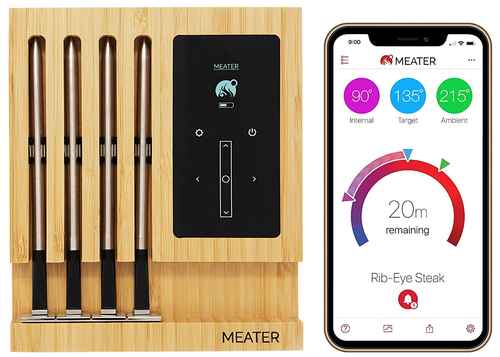
Internal temperature: For precision, use a meat thermometer:
- Medium-rare: 130-135°F (54-57°C)
- Medium: 135-145°F (57-63°C)
- Well-done: 155°F (68°C) and above
- Juices: The meat’s juices will clarify as it cooks. Clear juices often indicate doneness, while pinkish or red juices suggest more cooking time is needed.
Slow cooking is more forgiving than direct heat, but paying attention to these cues ensures the steak achieves both safety and optimal flavor.
Ingredients Needed
While the ingredients for slow cooker steak are deceptively simple, each plays a key role in flavor and texture:
- Steak: Chuck, round, sirloin, flank, or ribeye
- Seasonings: Salt, black pepper, garlic powder, onion powder, paprika, or your preferred spice blend
- Liquid: Beef broth, red wine, or a combination for depth of flavor
- Aromatics: Onions, garlic, carrots, celery, or herbs such as rosemary, thyme, or bay leaves
- Optional: Worcestershire sauce, soy sauce, or balsamic vinegar for added complexity
These ingredients, slowly mingled over hours, infuse the steak with layers of flavor that cannot be replicated with faster cooking methods.
How To Cook Steak In Slow Cooker
- Prep the steak: Pat the meat dry to encourage browning if desired. Season generously on all sides with salt, pepper, and other spices.
- Optional searing: For enhanced flavor, sear the steak in a hot skillet for 2-3 minutes per side before slow cooking. This step is optional but adds a rich, caramelized crust.
- Prepare the slow cooker: Layer aromatics and vegetables at the bottom to create a flavor base. Add the liquid (broth, wine, or sauce) until it comes about halfway up the sides of the steak.
- Cook: Place the steak on top of the vegetables, cover, and set your slow cooker to low or high based on your desired timeline. Resist the temptation to lift the lid frequently; each lift slows cooking and extends the total time.
- Rest and serve: After cooking, allow the steak to rest for 5-10 minutes to redistribute juices before slicing or shredding.
When Things Go Wrong
Even with slow cookers, mistakes can happen:
- Dry or stringy meat: Likely overcooked. Reduce cooking time or choose a fattier cut next time.
- Undercooked steak: Possibly too thick for the selected cooking time or temperature. Increase cooking duration or cut steaks thinner.
- Bland flavor: Could be due to insufficient seasoning or minimal liquid. Enhance with herbs, spices, or a splash of broth at the end.
- Too much liquid: Excess liquid can make the meat stew-like. Remove the lid in the last 30 minutes to reduce, or use less liquid initially.
Expert Tips
- Layering matters: Keep vegetables and aromatics under the steak to prevent burning and impart flavor.
- Don’t rush: Low and slow is the key. Cutting corners may lead to underdeveloped flavor or tough meat.
- Adjust for thickness: Thicker steaks may need more liquid and longer cook time; thinner steaks less.
- Add delicate ingredients late: Items like mushrooms, peppers, or herbs can be added in the last hour to preserve texture and freshness.
- Use foil to prevent overcooking edges: Wrapping the steak in foil inside the slow cooker can help prevent edges from becoming overly dry.
Can I Do This Without A Slow Cooker?
Yes. A Dutch oven or heavy-bottomed pot can mimic slow cooker results in the oven:
- Preheat oven to 275°F (135°C).
- Brown steak on stovetop, then transfer to oven-safe pot with liquid and aromatics.
- Cover tightly and cook for 3-4 hours, checking occasionally for tenderness.
This method allows for slow, even cooking, though it requires occasional attention unlike a set-it-and-forget-it slow cooker.
Reheating Leftovers In Slow Cooker
Reheating steak in a slow cooker is effective for maintaining moisture:
- Place leftover steak and any juices or sauce back into the slow cooker.
- Heat on low for 1-2 hours, ensuring even warming without drying out the meat.
- Avoid high heat, which can toughen the already cooked meat.
Adding a splash of broth or water helps maintain juiciness during reheating.
FAQs
What Types Of Steak Are Best For A Slow Cooker?
Tougher, less expensive cuts like chuck, round, or brisket work best in a slow cooker because the long, slow cooking process tenderizes the meat. Leaner cuts like filet mignon are not ideal, as they can become dry and lose flavor.
Do I Need To Sear The Steak Before Putting It In The Slow Cooker?
Searing the steak before slow cooking is optional but recommended. Browning the meat enhances flavor through the Maillard reaction and helps retain juices. You can sear on a stovetop or in the slow cooker using a sauté function if available.
How Much Liquid Should I Add When Cooking Steak In A Slow Cooker?
You generally need about 1/2 to 1 cup of liquid, such as broth, wine, or a sauce, depending on the size of the slow cooker and the amount of steak. The liquid helps maintain moisture and prevents the meat from drying out or sticking.
How Long Should Steak Cook In A Slow Cooker?
Cooking times vary depending on the cut and thickness. Typically, tougher cuts need 6-8 hours on low or 3-4 hours on high. Leaner cuts cook faster, so check tenderness frequently to avoid overcooking.
Can I Cook Frozen Steak In A Slow Cooker?
It is not recommended to cook frozen steak directly in a slow cooker. Slow cookers heat gradually, and cooking frozen meat can keep it in the temperature ’danger zone’ (40-140°F) too long, increasing the risk of bacterial growth. Thaw steak before cooking.
Should I Add Vegetables With The Steak In The Slow Cooker?
Yes, root vegetables like potatoes, carrots, and onions work well. Place harder vegetables at the bottom so they cook thoroughly, with steak layered on top. Softer vegetables can be added in the last hour of cooking.
How Do I Know When The Steak Is Done In The Slow Cooker?
Check tenderness rather than internal temperature. The steak should pull apart easily with a fork. Slow cooking is meant for tenderizing tough cuts, so a fork-tender texture indicates it’s ready.
Can I Use Marinades Or Sauces While Cooking Steak In A Slow Cooker?
Yes, marinades and sauces enhance flavor. Acidic ingredients like vinegar or citrus can tenderize meat, but too much acid can make it mushy. Combine herbs, spices, and sauces to create a rich slow-cooked flavor.
Do I Need To Cover The Slow Cooker While Cooking Steak?
Yes, keeping the lid on is important to retain moisture and maintain a consistent temperature. Lifting the lid frequently extends cooking time and can dry out the steak.
Can I Freeze Slow-cooked Steak Meals For Later?
Absolutely. Once cooked and cooled, store the steak and any vegetables in airtight containers and freeze for up to 3 months. Reheat gently on low heat to avoid overcooking or drying out the meat.