
How To Make Bread In Slow Cooker [GUIDE]
Bread has long been a symbol of home, comfort, and culinary craftsmanship. While traditional bread baking often conjures images of ovens, kneading, and precise temperature control, there is an alternative method that marries simplicity with the gentle art of slow cooking: making bread in a slow cooker. This method transforms the humble appliance, often reserved for soups and stews, into a vessel for producing tender, flavorful, and moist bread with minimal effort. Slow cooker bread doesn’t just save energy; it offers an opportunity to experiment with textures and flavors that differ from conventional oven-baked loaves. From soft sandwich bread to hearty artisan-style loaves, mastering slow cooker bread opens a new chapter in home baking.
Contents
- 1 How Long To Make Bread In Slow Cooker
- 2 How To Tell If It Is Done
- 3 Ingredients Needed
- 4 How To Make Bread In Slow Cooker
- 5 When Things Go Wrong
- 6 Expert Tips
- 7 Can I Do This Without A Slow Cooker?
- 8 Reheating Leftovers In Slow Cooker
- 9 FAQs
- 9.1 Can I Make Bread In A Slow Cooker Without Yeast?
- 9.2 What Type Of Slow Cooker Works Best For Baking Bread?
- 9.3 Do I Need To Grease The Slow Cooker Before Adding The Dough?
- 9.4 How Long Does It Take To Bake Bread In A Slow Cooker?
- 9.5 Can I Brown The Top Of The Bread In A Slow Cooker?
- 9.6 Can I Make Whole Wheat Or Gluten-free Bread In A Slow Cooker?
- 9.7 Do I Need To Let The Dough Rise Before Placing It In The Slow Cooker?
- 9.8 How Do I Prevent The Bread From Getting Soggy In A Slow Cooker?
- 9.9 Can I Make Multiple Loaves At The Same Time?
- 9.10 How Should I Store Slow Cooker Bread?
How Long To Make Bread In Slow Cooker
The duration for baking bread in a slow cooker is both an art and a science, influenced by the type of dough, the size of the cooker, and the heat distribution. Generally, bread takes 2 to 3 hours on the low setting, though smaller, softer loaves may be ready in as little as 90 minutes. High settings reduce cooking time but risk uneven cooking and excessive moisture accumulation. Unlike an oven where heat surrounds the bread evenly, a slow cooker relies on indirect heat. The bottom tends to cook faster, while the top may remain slightly undercooked if not monitored carefully. For consistent results, many bakers recommend rotating the bread halfway through cooking, using a small trivet or foil sling to lift the loaf, or experimenting with a ceramic insert to promote even heat distribution.
How To Tell If It Is Done
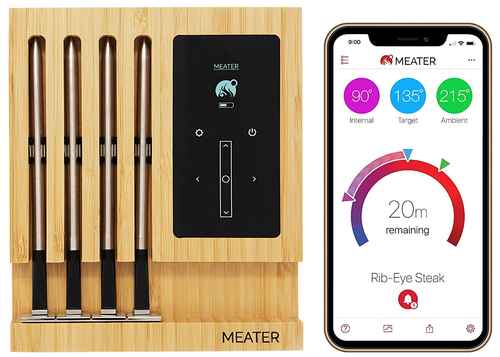
Determining doneness in slow cooker bread requires a combination of visual, tactile, and auditory cues. Unlike oven baking, the crust will not brown significantly, so relying solely on color can be misleading. Instead, gently touch the top of the loaf; it should feel firm and spring back slightly under pressure. Inserting a skewer or toothpick into the center is another reliable method-if it comes out clean or with only a few crumbs, the bread is ready. For the more precise, thermometers can be invaluable: fully cooked bread reaches an internal temperature of around 190°F (88°C) for enriched doughs and 200°F (93°C) for lean doughs. Another subtle sign is the aroma: a rich, nutty, and slightly caramelized smell signals that the bread has developed flavor fully.
Ingredients Needed
The beauty of slow cooker bread is that it can accommodate a wide range of recipes, from simple white bread to whole-grain or flavored loaves. A basic recipe requires:
- Flour: All-purpose or bread flour for standard loaves; whole wheat or gluten-free blends for alternative versions.
- Liquid: Water, milk, or a combination, providing hydration and tenderness.
- Leavening Agent: Yeast (active dry or instant) is standard; baking powder can be used for quick breads.
- Sweetener: Sugar, honey, or maple syrup to feed the yeast and enhance flavor.
- Salt: Essential for flavor balance and yeast regulation.
- Fat: Butter, oil, or other fats for softness and moisture.
- Optional Add-ins: Herbs, cheese, dried fruits, or seeds to customize texture and taste.
Each ingredient plays a vital role, not just in taste, but in how the dough reacts in the slow cooker’s moist environment. For instance, too much liquid can produce a soggy loaf, while insufficient fat may yield a dense texture.
How To Make Bread In Slow Cooker
- Prepare the Dough: Combine flour, yeast, salt, sugar, and liquid in a large mixing bowl. Knead until smooth and elastic-approximately 8-10 minutes by hand or 5-6 minutes with a stand mixer.
- First Rise: Cover the dough with a damp cloth or plastic wrap and let it rise in a warm place until doubled in size. This may take 1-2 hours depending on yeast activity.
- Shape the Loaf: Punch down the dough gently to release air bubbles. Form it into a shape that fits your slow cooker-usually a round or oval loaf.
- Prepare the Slow Cooker: Grease the insert thoroughly or line with parchment paper. Some bakers place a trivet in the bottom to prevent excessive moisture contact.
- Second Rise: Place the dough inside and cover the slow cooker. Let it rise slightly while the cooker warms, about 20-30 minutes.
- Cook the Bread: Cover and cook on low for 2-3 hours, occasionally checking for firmness. Avoid opening the lid too often, as heat escapes.
- Cool: Carefully remove the loaf and allow it to cool completely on a wire rack to prevent sogginess from trapped steam.
When Things Go Wrong
Even seasoned bakers encounter challenges with slow cooker bread. Common issues include:
- Soggy Texture: Often caused by excess moisture or removing the lid too early. Reducing liquid slightly or allowing the bread to cool uncovered can help.
- Dense or Heavy Loaf: This may result from under-proofing, over-proofing, or using flour with too low protein content. Ensuring proper kneading and adequate rise times is crucial.
- Cracking or Collapsing: Usually due to rapid temperature changes, lifting the lid too frequently, or insufficient support in the cooker. Using a trivet or foil sling can help maintain structure.
- Pale or Unappealing Crust: Slow cookers do not brown bread naturally. A brief sear under a broiler or in a hot oven for 5-10 minutes can give it a more traditional appearance and texture.
Expert Tips
- Use parchment paper: It makes removal of sticky dough much easier.
- Preheat the slow cooker: For consistent results, allow the slow cooker to warm before adding the dough.
- Experiment with flavorings: Garlic, rosemary, cheese, or seeds can infuse the bread with unique character.
- Check internal temperature: Never rely solely on appearance-temperature ensures safety and texture.
- Humidity control: If your cooker is particularly moist, place a paper towel under the lid to absorb condensation.
Can I Do This Without A Slow Cooker?
Absolutely. Bread designed for a slow cooker can often be adapted for an oven or stovetop:
- Oven: Bake in a covered Dutch oven at 350°F (175°C) for 30-40 minutes, then uncover for 10 minutes to brown the crust.
- Stovetop: Use a heavy-bottomed pot with a tight-fitting lid over very low heat, mimicking the slow cooker’s gentle environment.
- Steaming: Place dough in a heatproof bowl above simmering water, covered, to create a moist environment similar to slow cooking.
Each method requires attention to moisture and heat to prevent sogginess or uneven cooking.
Reheating Leftovers In Slow Cooker
Reheating bread in a slow cooker is surprisingly effective:
- Wrap the bread in a clean kitchen towel to protect it from direct condensation.
- Place it inside the slow cooker, optionally over a trivet.
- Heat on low for 20-30 minutes, checking periodically to ensure it warms without becoming damp.
This method gently restores softness without drying out the crumb or over-crisping the crust, unlike a microwave.
FAQs
Can I Make Bread In A Slow Cooker Without Yeast?
Yes, you can make quick breads in a slow cooker using baking powder or baking soda instead of yeast. However, yeast breads require rising time, which affects texture and flavor, while quick breads will be denser and more cake-like.
What Type Of Slow Cooker Works Best For Baking Bread?
A slow cooker with a removable ceramic insert works best. A 3-4 quart slow cooker is ideal for standard loaf sizes, and models with a ’high’ setting of around 200-225°F (93-107°C) help create the proper baking environment.
Do I Need To Grease The Slow Cooker Before Adding The Dough?
Yes, lightly greasing the insert with butter or oil, or lining it with parchment paper, prevents the bread from sticking and ensures it comes out easily after cooking.
How Long Does It Take To Bake Bread In A Slow Cooker?
Bread usually takes 2-3 hours on the ’high’ setting. Exact time depends on the recipe, dough size, and slow cooker model. Checking for doneness with a skewer or thermometer (internal temp around 190-200°F / 88-93°C) is recommended.
Can I Brown The Top Of The Bread In A Slow Cooker?
Slow cookers do not naturally brown bread. To get a crusty top, you can carefully transfer the bread to an oven or use a kitchen torch briefly after slow cooking.
Can I Make Whole Wheat Or Gluten-free Bread In A Slow Cooker?
Yes, you can adapt most bread recipes for slow cooking. Whole wheat dough may need slightly more moisture, and gluten-free doughs often require additional binding agents. Texture will differ from oven-baked bread.
Do I Need To Let The Dough Rise Before Placing It In The Slow Cooker?
For yeast breads, yes. Let the dough rise according to the recipe before cooking. Quick breads or soda breads do not require rising and can be mixed and placed directly into the slow cooker.
How Do I Prevent The Bread From Getting Soggy In A Slow Cooker?
Avoid lifting the lid too often, as it releases heat and moisture. Ensure the insert is greased properly and consider placing a clean kitchen towel under the lid to absorb excess condensation.
Can I Make Multiple Loaves At The Same Time?
Most slow cookers can accommodate only one loaf at a time. Attempting multiple loaves can lead to uneven cooking and undercooked centers. Consider using smaller ramekins for individual portions instead.
How Should I Store Slow Cooker Bread?
Allow the bread to cool completely on a wire rack before storing. Wrap it in a clean cloth or place it in an airtight container. It can be kept at room temperature for 2-3 days or frozen for longer storage.