
How To Cook Ham In Slow Cooker With Water [GUIDE]
Cooking ham in a slow cooker is one of the easiest ways to achieve tender, flavorful meat without the hassle of constant attention. Unlike baking, which can dry out a ham if not monitored, slow cooking allows the meat to retain its moisture while absorbing subtle flavors from liquids and seasonings. Using water as the primary cooking liquid might seem simple, even plain, but it creates a neutral base that highlights the natural sweetness and smokiness of the ham itself. This method is ideal for both bone-in and boneless hams, and it ensures even cooking from edge to center. In this guide, we will explore not only the timing and process but also practical tips, troubleshooting strategies, and alternatives if a slow cooker isn’t available.
Contents
- 1 How Long To Cook Ham In Slow Cooker With Water
- 2 How To Tell If It Is Done
- 3 Ingredients Needed
- 4 How To Cook Ham In Slow Cooker With Water
- 5 When Things Go Wrong
- 6 Expert Tips
- 7 Can I Do This Without A Slow Cooker?
- 8 Reheating Leftovers In Slow Cooker
- 9 FAQs
- 9.1 Can I Cook A Whole Ham In A Slow Cooker With Water?
- 9.2 How Much Water Should I Add When Cooking Ham In A Slow Cooker?
- 9.3 Do I Need To Pre-cook Or Boil The Ham Before Using A Slow Cooker?
- 9.4 Should I Season The Water When Cooking Ham In A Slow Cooker?
- 9.5 How Long Does It Take To Cook Ham In A Slow Cooker With Water?
- 9.6 Can I Add Vegetables While Cooking Ham In A Slow Cooker With Water?
- 9.7 Should I Cover The Slow Cooker While Cooking Ham With Water?
- 9.8 Can I Make A Glaze For The Ham While It Cooks In Water?
- 9.9 Is It Safe To Cook Ham In A Slow Cooker With Water Overnight?
- 9.10 How Do I Store Leftovers After Cooking Ham In A Slow Cooker With Water?
How Long To Cook Ham In Slow Cooker With Water
The cooking time for ham in a slow cooker largely depends on its size, whether it is bone-in or boneless, and the desired texture. As a general guideline:
- Boneless ham: Cook on low heat for 4-6 hours.
- Bone-in ham: Cook on low heat for 6-8 hours.
High heat can be used if you’re short on time, but it may result in a slightly drier texture. Slow cookers vary in heat output, so it’s essential to monitor internal temperature rather than rely strictly on the clock. Always ensure the meat reaches at least 140°F (60°C) for pre-cooked hams and 145°F (63°C) for fresh or partially cooked hams.
A key tip is to let the ham rest in the cooker for 10-15 minutes after turning off the heat. This allows the juices to redistribute, making each slice succulent and flavorful.
How To Tell If It Is Done
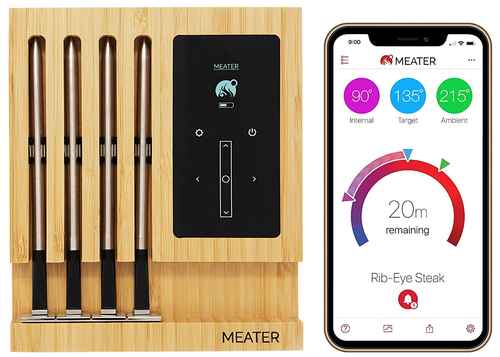
Determining doneness in ham is more precise with a meat thermometer than by appearance alone. Look for these indicators:
- Internal Temperature: As mentioned, pre-cooked hams should reach 140°F, and uncooked hams should reach 145°F. Insert the thermometer into the thickest part without touching the bone for accuracy.
- Texture: Properly cooked ham will feel firm but not tough. It should pull apart easily if shredded, or slice cleanly with a knife without resistance.
- Juices: Clear, thin juices are a good sign that the ham is fully cooked. Cloudy or excessively pink juices can indicate undercooking.
Slow cooking typically makes ham forgiving, but precision ensures both safety and the best eating experience.
Ingredients Needed
For a simple, water-based slow-cooked ham, you only need a few essentials:
- 1 ham (boneless or bone-in, around 4-8 pounds depending on your slow cooker size)
- Water – enough to cover the ham about halfway
-
Optional flavor enhancers:
- 1-2 tablespoons of brown sugar
- 1 teaspoon mustard or honey
- 1-2 cloves of garlic, minced
- Fresh herbs (thyme, rosemary, or bay leaves)
Even with just water, the slow cooking process ensures the ham develops a natural, rich flavor. If you want a sweeter or slightly tangy profile, the optional ingredients can be added without overpowering the meat.
How To Cook Ham In Slow Cooker With Water
- Prepare the ham: Remove any packaging, rinse if desired, and pat dry. Score the surface in a diamond pattern to allow juices to penetrate more effectively.
- Add the liquid: Pour water into the slow cooker until it reaches about halfway up the sides of the ham. Add optional flavor enhancers like brown sugar, mustard, or herbs.
- Place the ham: Carefully place the ham in the slow cooker, fat side up. This ensures the melting fat baste the meat as it cooks.
- Cover and cook: Place the lid securely and set the slow cooker to low heat. Check the recommended cooking time above for guidance based on size and type.
- Monitor occasionally: Avoid removing the lid frequently, as it reduces heat and extends cooking time.
- Check for doneness: Use a meat thermometer to confirm the internal temperature and ensure safety.
When Things Go Wrong
Even slow cooking can present challenges. Here’s how to troubleshoot common problems:
- Dry ham: Likely cooked too long or at too high a heat. Mitigate by adding more water or using a foil tent if reheating.
- Undercooked ham: Ensure your thermometer is accurate and insert into the thickest part. Continue cooking on low until reaching the proper temperature.
- Bland flavor: Incorporate seasoning into the water or glaze the ham after cooking to add depth. A brush of honey or maple syrup in the last hour can elevate taste dramatically.
- Tough meat: Bone-in hams generally retain moisture better. If a boneless ham is tough, slice thinly and use the leftover juices for sandwiches or soups.
Expert Tips
- Fat side up: Always cook with the fat cap on top. It melts during cooking and naturally bastes the meat.
- Don’t overfill: Keep water levels below the lid to prevent spillage and ensure even cooking.
- Use the juices: Don’t discard the cooking liquid-it’s a perfect base for gravy or a flavorful stock.
- Glazing: For a caramelized surface, remove the ham in the last 20-30 minutes, brush with a glaze, and briefly broil in the oven.
- Room temperature meat: Let the ham sit at room temperature for 30 minutes before cooking for more even heat penetration.
Can I Do This Without A Slow Cooker?
Yes. Alternatives include:
- Oven: Place the ham in a covered roasting pan with water halfway up the sides. Bake at 325°F, following the same timing and thermometer guidelines.
- Instant Pot/Pressure Cooker: Cook on high pressure for about 15 minutes per pound with natural release.
- Stovetop: Simmer ham in a large pot with water and aromatics over low heat, ensuring liquid covers at least half the meat, until fully heated.
While these methods work, slow cookers excel at creating consistently tender, juicy ham with minimal attention.
Reheating Leftovers In Slow Cooker
Leftover ham can be reheated gently in a slow cooker to avoid drying it out:
- Slice the ham into manageable pieces.
- Add a small amount of water, broth, or glaze to keep moisture.
- Set the slow cooker to low for 1-2 hours until heated through.
- Stir occasionally if using juices or sauce to coat the ham evenly.
This method keeps the ham moist, flavorful, and ready for sandwiches, soups, or casseroles.
FAQs
Can I Cook A Whole Ham In A Slow Cooker With Water?
Yes, you can cook a whole or partially boneless ham in a slow cooker with water. Ensure the ham fits comfortably in the slow cooker, and cover it partially with water to prevent drying out while allowing the flavors to concentrate.
How Much Water Should I Add When Cooking Ham In A Slow Cooker?
Typically, you should add enough water to cover the bottom of the slow cooker and come about halfway up the ham. Avoid completely submerging the ham, as this can dilute the flavor.
Do I Need To Pre-cook Or Boil The Ham Before Using A Slow Cooker?
Most hams sold in stores are pre-cooked or smoked, so pre-cooking is not necessary. The slow cooker will reheat the ham and allow it to absorb additional flavors from water and seasonings.
Should I Season The Water When Cooking Ham In A Slow Cooker?
Yes, adding seasonings such as garlic, onion, bay leaves, peppercorns, or a splash of apple cider vinegar can enhance the flavor. You can also use broth instead of water for a richer taste.
How Long Does It Take To Cook Ham In A Slow Cooker With Water?
Cooking time depends on the size and type of ham. For a fully cooked 4-6 lb ham, cook on low for 4-6 hours. For larger or partially cooked hams, the time may extend to 6-8 hours. Always check that the internal temperature reaches at least 140°F for pre-cooked ham or 160°F for uncooked ham.
Can I Add Vegetables While Cooking Ham In A Slow Cooker With Water?
Yes, adding vegetables like carrots, potatoes, and onions can create a complete meal. Place the vegetables at the bottom of the slow cooker, and position the ham on top to allow even cooking.
Should I Cover The Slow Cooker While Cooking Ham With Water?
Yes, keeping the lid on helps retain moisture, heat, and flavors. Only remove the lid near the end if you want to glaze the ham or reduce the liquid.
Can I Make A Glaze For The Ham While It Cooks In Water?
Yes, you can add a glaze during the last 30-60 minutes of cooking. Remove the ham slightly from the liquid and brush on a glaze made from honey, brown sugar, mustard, or fruit preserves for a caramelized finish.
Is It Safe To Cook Ham In A Slow Cooker With Water Overnight?
Yes, as long as you use the low heat setting, it is safe. Ensure the slow cooker is functioning properly and the lid remains on to maintain a safe cooking temperature above 140°F.
How Do I Store Leftovers After Cooking Ham In A Slow Cooker With Water?
Allow the ham to cool slightly, then store in airtight containers in the refrigerator for 3-4 days. You can also freeze portions for up to 2 months. If desired, reserve some of the cooking liquid to keep the ham moist when reheating.