
How To Cook Skinless Chicken Thighs In Slow Cooker [GUIDE]
Slow cooking is a method revered for its ability to transform simple ingredients into rich, flavorful meals with minimal effort. Among the many proteins suited for this method, skinless chicken thighs stand out for their versatility, tenderness, and depth of flavor. Unlike chicken breasts, which can dry out when overcooked, chicken thighs contain a higher fat content, allowing them to stay juicy and succulent even after hours of gentle cooking. Using a slow cooker, also known as a crockpot, ensures that the chicken absorbs the flavors of accompanying herbs, spices, and liquids, resulting in a dish that is both comforting and effortlessly satisfying. Understanding the nuances of slow cooking skinless chicken thighs-timing, seasoning, and temperature-is essential to consistently achieving the perfect dish.
Contents
- 1 How Long To Cook Skinless Chicken Thighs In Slow Cooker
- 2 How To Tell If It Is Done
- 3 Ingredients Needed
- 4 How To Cook Skinless Chicken Thighs In Slow Cooker
- 5 When Things Go Wrong
- 6 Expert Tips
- 7 Can I Do This Without A Slow Cooker?
- 8 Reheating Leftovers In Slow Cooker
- 9 FAQs
- 9.1 Can I Cook Frozen Skinless Chicken Thighs In A Slow Cooker?
- 9.2 How Long Should Skinless Chicken Thighs Cook In A Slow Cooker?
- 9.3 Do I Need To Brown Skinless Chicken Thighs Before Slow Cooking?
- 9.4 What Liquid Should I Use When Cooking Skinless Chicken Thighs In A Slow Cooker?
- 9.5 How Can I Make Slow-cooked Skinless Chicken Thighs Tender?
- 9.6 Can I Add Vegetables To Cook With Skinless Chicken Thighs?
- 9.7 Is It Safe To Slow Cook Skinless Chicken Thighs Overnight?
- 9.8 How Can I Prevent Skinless Chicken Thighs From Drying Out In A Slow Cooker?
- 9.9 Can I Cook Skinless Chicken Thighs In A Slow Cooker With Spices Or Marinades?
- 9.10 How Should I Store Leftover Slow-cooked Skinless Chicken Thighs?
How Long To Cook Skinless Chicken Thighs In Slow Cooker
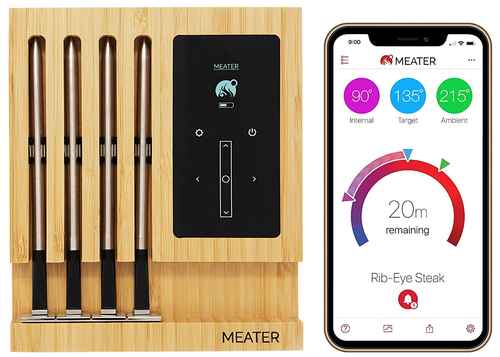
The cooking time for skinless chicken thighs in a slow cooker largely depends on the heat setting used. On low heat, chicken thighs generally take 5 to 6 hours, while on high heat, they typically require 2.5 to 3.5 hours. It’s important to remember that these times can vary depending on the size of the thighs and the specific slow cooker model. Overcooking, while less risky than with chicken breasts, can still lead to a slightly stringy texture, whereas undercooking is a health risk. Thus, monitoring internal temperature is crucial.
Factors affecting cooking time include:
- Size and thickness of thighs: Larger, bone-in pieces will take longer than smaller, boneless cuts.
- Quantity in the slow cooker: Crowding the pot can extend cooking time as heat distributes more slowly.
- Liquid content: Thicker sauces or minimal liquid can slow down cooking, while a generous broth accelerates heat transfer.
How To Tell If It Is Done
Ensuring chicken thighs are fully cooked is crucial for both flavor and safety. The most reliable method is using a meat thermometer. Insert it into the thickest part of the thigh; the chicken is safe to eat when it reaches 165°F (74°C).
Other indicators include:
- Juices run clear: If you cut into the chicken and the juices are no longer pink or bloody, it is usually done.
- Tender texture: Slow-cooked thighs should easily pull apart with a fork, signaling that the connective tissues have broken down properly.
- Color consistency: The meat should have a uniform, opaque appearance throughout, with no raw or translucent areas.
Ingredients Needed
The beauty of slow cooker chicken thighs is their adaptability. A basic list of ingredients for a simple, flavorful dish includes:
- Skinless chicken thighs (boneless or bone-in, depending on preference)
- Salt and pepper for seasoning
- Onions and garlic for aromatic depth
- Chicken broth or stock to keep the meat moist
- Herbs like thyme, rosemary, or bay leaves
- Vegetables (optional): carrots, potatoes, bell peppers
- Acidic components (optional): lemon juice, vinegar, or tomatoes to enhance flavor
- Spices: paprika, cumin, or chili flakes, depending on desired flavor profile
Slow cooking allows you to be creative-additional sauces, pastes, or marinades can be included without risk of burning or overcooking.
How To Cook Skinless Chicken Thighs In Slow Cooker
- Prepare the chicken: Pat the thighs dry, then season generously with salt, pepper, and any preferred spices. This step ensures maximum flavor absorption.
- Layer aromatics and vegetables: Place onions, garlic, and other chosen vegetables at the bottom of the slow cooker. These act as a flavor base and prevent the chicken from sticking.
- Add the chicken: Lay the thighs on top of the aromatics in a single layer, if possible, for even cooking.
- Add liquid: Pour chicken broth or your selected liquid over the meat. The liquid should come about halfway up the sides of the chicken.
- Cook: Cover the slow cooker and set on low for 5-6 hours or high for 2.5-3.5 hours. Avoid lifting the lid frequently, as this can extend cooking time.
- Check doneness: Use a thermometer or fork test near the end of cooking to ensure the chicken has reached 165°F (74°C) internally.
- Serve: Once cooked, let the chicken rest for a few minutes before serving. It pairs beautifully with rice, pasta, or roasted vegetables.
When Things Go Wrong
Even in a slow cooker, mishaps can occur:
- Chicken is dry: Likely overcooked or lacked sufficient liquid. Reduce cook time next attempt or add extra broth.
- Chicken undercooked: Increase cooking time or check that your slow cooker reaches proper temperatures.
- Flavor is bland: Slow cooking doesn’t mean skimping on seasoning. Layer spices and aromatics from the start and consider finishing with fresh herbs or citrus to boost flavor.
Expert Tips
- Sear first for depth: Browning thighs in a hot pan before slow cooking adds a rich, caramelized flavor.
- Avoid overcrowding: Ensure air can circulate in the slow cooker for even cooking.
- Use thicker sauces sparingly: Too much thickener can prevent proper heat distribution; add at the end if desired.
- Layer strategically: Denser vegetables like potatoes should go at the bottom, while quicker-cooking items like bell peppers or zucchini go on top.
- Check seasoning near the end: Slow cooking can mellow flavors, so adjust salt and spices before serving.
Can I Do This Without A Slow Cooker?
Yes! Oven or stovetop methods can mimic slow cooking:
- Oven: Cook at 300°F (150°C) in a covered dish for 2-3 hours, depending on the size of the thighs.
- Stovetop: Simmer in a heavy pot or Dutch oven with a lid on low heat for 1.5-2 hours, ensuring liquid remains sufficient to prevent drying.
While these methods won’t allow for the same ’set it and forget it’ convenience, the results can be very similar.
Reheating Leftovers In Slow Cooker
Slow cookers are excellent for gently reheating leftovers without drying them out. Place cooked chicken in the slow cooker with a splash of broth, cover, and heat on low for 1-2 hours until warmed through. Avoid high heat, which can overcook the already tender thighs.
FAQs
Can I Cook Frozen Skinless Chicken Thighs In A Slow Cooker?
It is not recommended to cook frozen chicken directly in a slow cooker because it can remain in the temperature ’danger zone’ (40-140°F) for too long, increasing the risk of bacterial growth. It’s safer to thaw chicken in the refrigerator before slow cooking.
How Long Should Skinless Chicken Thighs Cook In A Slow Cooker?
Cooking time depends on the heat setting. On low, cook skinless chicken thighs for 6-8 hours. On high, cook for 3-4 hours. Always ensure the internal temperature reaches 165°F for safety.
Do I Need To Brown Skinless Chicken Thighs Before Slow Cooking?
Browning is optional but recommended. Searing the chicken in a pan before slow cooking enhances flavor and texture. However, you can cook them directly in the slow cooker for convenience.
What Liquid Should I Use When Cooking Skinless Chicken Thighs In A Slow Cooker?
You can use chicken broth, water, or a sauce of your choice. Ensure there is enough liquid to cover at least half of the chicken to prevent drying and to facilitate even cooking.
How Can I Make Slow-cooked Skinless Chicken Thighs Tender?
Cooking on low heat for a longer period is key. Adding moisture through broth, sauces, or marinades, and avoiding overcooking, helps the meat stay tender and juicy.
Can I Add Vegetables To Cook With Skinless Chicken Thighs?
Yes, vegetables like carrots, potatoes, onions, and bell peppers can be added. Place harder vegetables at the bottom, then layer the chicken on top to ensure even cooking.
Is It Safe To Slow Cook Skinless Chicken Thighs Overnight?
Yes, as long as your slow cooker maintains a temperature that reaches at least 165°F internally. Using the ’low’ setting overnight is common and safe, but avoid leaving chicken in the cooker for excessively long periods after cooking is complete.
How Can I Prevent Skinless Chicken Thighs From Drying Out In A Slow Cooker?
Add sufficient liquid, avoid lifting the lid frequently, cook on low instead of high when possible, and remove the chicken as soon as it reaches 165°F internally.
Can I Cook Skinless Chicken Thighs In A Slow Cooker With Spices Or Marinades?
Yes, slow cooking enhances the infusion of flavors. Use your preferred marinades, herbs, and spices, but avoid excessively salty ingredients that can concentrate during long cooking.
How Should I Store Leftover Slow-cooked Skinless Chicken Thighs?
Cool leftovers within two hours and store them in airtight containers in the refrigerator for up to 3-4 days. For longer storage, freeze them for up to 3 months. Reheat thoroughly before serving.