
How To Cook Chicken Cacciatore In Slow Cooker [GUIDE]
Chicken Cacciatore, or “hunter-style chicken”, is a classic Italian dish celebrated for its rich, hearty flavors and rustic charm. Traditionally made with chicken simmered in a savory blend of tomatoes, onions, bell peppers, garlic, and herbs, it embodies the essence of slow-cooked comfort food. Using a slow cooker elevates this dish by allowing the flavors to meld over time, creating tender, succulent chicken that practically falls off the bone. The magic of a slow cooker lies in its ability to gently cook ingredients over several hours, making it nearly foolproof for busy cooks who want an authentic, home-cooked Italian meal without the constant monitoring of a stovetop or oven.
Contents
- 1 How Long To Cook Chicken Cacciatore In Slow Cooker
- 2 How To Tell If It Is Done
- 3 Ingredients Needed
- 4 How To Cook Chicken Cacciatore In Slow Cooker
- 5 When Things Go Wrong
- 6 Expert Tips
- 7 Can I Do This Without A Slow Cooker?
- 8 Reheating Leftovers In Slow Cooker
- 9 FAQs
- 9.1 What Is Chicken Cacciatore?
- 9.2 Why Use A Slow Cooker For Chicken Cacciatore?
- 9.3 What Type Of Chicken Is Best For Slow Cooker Cacciatore?
- 9.4 Do I Need To Brown The Chicken Before Adding It To The Slow Cooker?
- 9.5 What Ingredients Are Essential For A Slow Cooker Chicken Cacciatore?
- 9.6 How Long Should Chicken Cacciatore Cook In A Slow Cooker?
- 9.7 Can I Add Wine To Slow Cooker Chicken Cacciatore?
- 9.8 Should Vegetables Be Added At The Beginning Or End Of Cooking?
- 9.9 How Can I Thicken The Sauce If It’s Too Watery?
- 9.10 How Should I Serve Slow Cooker Chicken Cacciatore?
How Long To Cook Chicken Cacciatore In Slow Cooker
Cooking times can vary slightly depending on the size of your chicken pieces and your slow cooker model. Generally, chicken cacciatore requires:
- Low setting: 6-8 hours
- High setting: 3-4 hours
Bone-in, skin-on chicken thighs are ideal for slow cooking because they retain moisture better than breasts, staying juicy while absorbing the deep, rich flavors of the sauce. Using boneless chicken breasts will reduce cooking time, usually around 2.5-3.5 hours on high or 5-6 hours on low.
Pro tip: Avoid lifting the lid frequently. Each lift can reduce the temperature inside the slow cooker by 10-15 degrees, extending your cooking time and potentially affecting the final texture of the chicken.
How To Tell If It Is Done
Ensuring chicken cacciatore is perfectly cooked is crucial both for safety and taste. Indicators include:
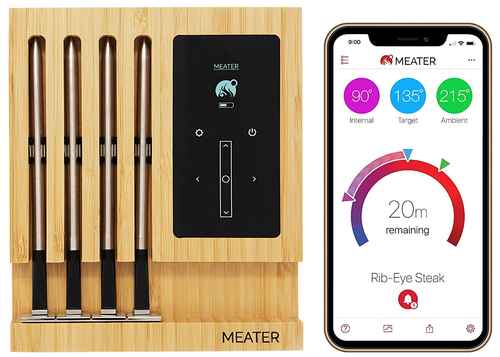
- Internal temperature: Chicken should reach at least 165°F (74°C) when measured with a meat thermometer at the thickest part of the piece.
- Texture: Properly cooked chicken will pull apart easily with a fork and appear opaque all the way through.
- Juices: When pierced, the juices should run clear, not pink.
If using bone-in chicken, gently lift a piece from the sauce; if the meat is tender and nearly falling off the bone, it’s a good sign your cacciatore is ready.
Ingredients Needed
For a classic slow-cooker chicken cacciatore, you’ll need:
- 4-6 chicken thighs, bone-in and skin-on (or boneless, adjust time accordingly)
- 1 large onion, thinly sliced
- 3 cloves garlic, minced
- 1 bell pepper, sliced (red or yellow for sweetness)
- 1 cup mushrooms, sliced
- 1 can (14-15 oz) diced tomatoes
- ½ cup chicken broth or white wine
- 2 tablespoons tomato paste
- 1 teaspoon dried oregano
- 1 teaspoon dried basil
- ½ teaspoon dried thyme
- Salt and black pepper to taste
- 2 tablespoons olive oil (for optional browning)
- Fresh parsley for garnish (optional)
Optional additions include olives, capers, or a pinch of crushed red pepper for a bit of heat.
How To Cook Chicken Cacciatore In Slow Cooker
- Optional Browning: Heat olive oil in a skillet and brown chicken thighs 2-3 minutes per side. This step adds depth to the flavor but isn’t strictly necessary.
- Layer Ingredients: Place onions, garlic, bell pepper, and mushrooms in the bottom of the slow cooker. Lay the chicken on top.
- Add Sauce: Mix diced tomatoes, tomato paste, chicken broth, and herbs. Pour over the chicken, ensuring it is mostly covered.
- Cook: Cover and cook on low for 6-8 hours or on high for 3-4 hours. Resist the urge to lift the lid during cooking.
- Finishing Touches: Adjust salt and pepper. Garnish with fresh parsley before serving. Pair with pasta, rice, or crusty bread to soak up the sauce.
When Things Go Wrong
Even with slow cookers, mistakes can happen:
- Chicken is dry: This usually indicates overcooking. To avoid it, monitor the cooking time carefully, particularly with boneless breasts.
- Sauce too thin: Remove the chicken and simmer the sauce on the stove for 10-15 minutes, or thicken with a cornstarch slurry.
- Flavor is flat: Check the seasoning before serving. Slow-cooked dishes sometimes need a final boost of salt, pepper, or acidity (a splash of vinegar or lemon juice).
Expert Tips
- Browning isn’t mandatory but recommended for richer flavor.
- Use bone-in thighs for juicier, more flavorful chicken.
- Layer vegetables below chicken to prevent overcooking and retain their texture.
- Set a timer to avoid accidental overcooking if you’re away.
- Make it ahead: Chicken cacciatore often tastes better the next day as the flavors continue to meld.
Can I Do This Without A Slow Cooker?
Absolutely. Chicken cacciatore can be prepared on the stovetop or in the oven:
- Stovetop: Simmer in a heavy pot on low heat for 45-60 minutes, covered, stirring occasionally.
- Oven: Bake in a covered Dutch oven at 350°F (175°C) for 1-1.5 hours.
Slow cooking simply enhances flavor and convenience, but the core technique is braising-gentle cooking in liquid.
Reheating Leftovers In Slow Cooker
Leftover chicken cacciatore can be reheated gently in a slow cooker:
- Transfer leftovers to the slow cooker.
- Set to low and heat for 1-2 hours, stirring occasionally.
- Avoid high heat, which can dry out the chicken.
Alternatively, stovetop reheating over low heat with a splash of broth works well to refresh the sauce.
FAQs
What Is Chicken Cacciatore?
Chicken cacciatore is a traditional Italian dish, also known as ’hunter”s chicken”, made with chicken braised in a sauce of tomatoes, onions, bell peppers, garlic, and herbs. Some variations include mushrooms, olives, or wine for added depth of flavor.
Why Use A Slow Cooker For Chicken Cacciatore?
A slow cooker allows the chicken and vegetables to cook slowly over several hours, which enhances the flavors and tenderizes the chicken without constant supervision. It’s convenient for hands-off cooking and produces a rich, well-developed sauce.
What Type Of Chicken Is Best For Slow Cooker Cacciatore?
Bone-in, skin-on chicken thighs or drumsticks are preferred because they stay moist and absorb the flavors better during slow cooking. Boneless chicken breasts can be used but may become dry if overcooked.
Do I Need To Brown The Chicken Before Adding It To The Slow Cooker?
Browning the chicken in a skillet before adding it to the slow cooker is optional, but it enhances the flavor and color of the final dish. It also helps lock in juices for more tender meat.
What Ingredients Are Essential For A Slow Cooker Chicken Cacciatore?
Essential ingredients include chicken, tomatoes (canned or fresh), onions, bell peppers, garlic, olive oil, Italian herbs (such as oregano and basil), salt, and pepper. Optional ingredients include mushrooms, olives, red wine, and capers.
How Long Should Chicken Cacciatore Cook In A Slow Cooker?
Cook on low for 6-8 hours or on high for 3-4 hours, depending on your slow cooker and the size of the chicken pieces. Cooking on low is generally preferred for the most tender results.
Can I Add Wine To Slow Cooker Chicken Cacciatore?
Yes, adding red or white wine enhances the depth of flavor. Use about 1/2 to 1 cup, and it will reduce and integrate with the tomato sauce during the slow cooking process.
Should Vegetables Be Added At The Beginning Or End Of Cooking?
Hard vegetables like onions, bell peppers, and carrots can be added at the beginning, as they soften over time. Mushrooms and delicate herbs are better added midway or toward the end to preserve texture and flavor.
How Can I Thicken The Sauce If It’s Too Watery?
To thicken the sauce, remove the chicken and simmer the sauce on high in the slow cooker or on the stovetop. Alternatively, stir in a slurry of cornstarch and water and cook for an additional 15-20 minutes.
How Should I Serve Slow Cooker Chicken Cacciatore?
Serve it hot over pasta, rice, or polenta. Garnish with freshly chopped parsley or basil, and optionally, a sprinkle of grated Parmesan cheese. It pairs well with a side of crusty bread to soak up the flavorful sauce.