
How To Cook Bacon In Slow Cooker [GUIDE]
Bacon, with its crisp edges and smoky, savory flavor, has been a beloved staple of breakfasts, brunches, and even decadent sandwiches for generations. While traditional methods involve frying or baking, an often-overlooked technique is slow cooker bacon-a method that delivers consistent results, reduces splatter, and allows for large batches to be prepared effortlessly. Slow-cooked bacon emerges with a unique texture: evenly cooked, tender, and flavorful, often with a slightly chewier interior than pan-fried varieties. This method is perfect for meal prep, feeding a crowd, or simply enjoying a hands-off cooking experience.
Contents
- 1 How Long To Cook Bacon In Slow Cooker
- 2 How To Tell If It Is Done
- 3 Ingredients Needed
- 4 How To Cook Bacon In Slow Cooker
- 5 When Things Go Wrong
- 6 Expert Tips
- 7 Can I Do This Without A Slow Cooker?
- 8 Reheating Leftovers In Slow Cooker
- 9 FAQs
- 9.1 Can I Cook Bacon In A Slow Cooker?
- 9.2 Do I Need To Add Water Or Oil When Cooking Bacon In A Slow Cooker?
- 9.3 What Temperature Setting Should I Use To Cook Bacon In A Slow Cooker?
- 9.4 How Long Does It Take To Cook Bacon In A Slow Cooker?
- 9.5 Can I Stack Bacon Slices In A Slow Cooker?
- 9.6 Do I Need To Flip The Bacon During Cooking?
- 9.7 Will Slow Cooker Bacon Be Crispy?
- 9.8 How Do I Prevent Bacon From Sticking To The Slow Cooker?
- 9.9 Can I Cook Flavored Or Pre-seasoned Bacon In A Slow Cooker?
- 9.10 How Should I Store Leftover Slow Cooker Bacon?
How Long To Cook Bacon In Slow Cooker
Cooking bacon in a slow cooker is less about precise timing and more about balancing heat and texture. Generally, the recommended time is:
- On Low: 2-3 hours
- On High: 1-1.5 hours
These times depend heavily on the thickness of the bacon slices. Thicker cuts may require additional cooking time, while thin-cut bacon could be done slightly earlier. It is important to monitor the process the first few times, as slow cookers vary in actual temperature versus the labeled ’Low’ and ’High’ settings. Unlike pan-frying, where the process can be visually monitored, slow cooker bacon requires periodic checks to prevent overcooking.
How To Tell If It Is Done
Unlike conventional methods where crispiness is immediate, slow cooker bacon demands a nuanced approach to judging doneness. Here are key indicators:
- Color: The bacon should turn a rich golden brown along the edges. Overly pale slices indicate undercooking.
- Texture: The edges should have a slight crisp, while the center retains tenderness. If it feels rubbery, it needs more time; if it’s brittle, it may be overcooked.
- Fat Rendering: Well-cooked bacon should release a considerable amount of fat into the slow cooker. Excessive fat without color change indicates incomplete cooking.
Remember, the goal is not necessarily ultra-crisp slices (as in pan-frying) but bacon that balances tenderness with gentle crispness.
Ingredients Needed
For slow cooker bacon, the ingredient list is delightfully simple, yet quality matters:
- Bacon: Thick-cut or regular, depending on preference. Thick-cut yields a chewier, meatier texture.
-
Optional Enhancements
- Maple syrup or brown sugar (for a sweet glaze)
- Black pepper or smoked paprika (for spice and depth)
- Garlic or onion powder (for subtle savory undertones)
No oil is required; bacon releases its own fat during cooking, making this method naturally self-basting.
How To Cook Bacon In Slow Cooker
- Prepare the Slow Cooker: Line the slow cooker with parchment paper or foil for easier cleanup. Avoid directly placing bacon on the ceramic surface to prevent sticking.
- Layer the Bacon: Lay slices in a single layer, slightly overlapping if necessary. Overlapping is fine as long as slices are not tightly compressed, allowing fat to render evenly.
- Add Optional Flavorings: Sprinkle brown sugar, maple syrup, or spices over the bacon if desired.
- Cover and Cook: Set the slow cooker to Low or High based on your timing needs. Avoid lifting the lid frequently, as it slows the cooking process.
- Check for Doneness: After the minimum recommended time, check slices periodically for color and texture.
- Remove and Drain: Once cooked, use tongs to transfer bacon to a plate lined with paper towels to drain excess fat.
When Things Go Wrong
Even a simple slow cooker bacon recipe can encounter issues:
- Too Fatty or Greasy: If the bacon is submerged in its own fat, it can become limp. Reduce overlapping slices and drain excess fat midway.
- Uneven Cooking: Uneven layers may cause some slices to overcook while others remain undercooked. Rotate layers gently if needed.
- Burnt or Hard Bacon: Usually caused by prolonged cooking on High or thin-cut bacon cooking too long. Opt for Low heat and adjust timing for your preferred texture.
Expert Tips
- Use Thick-Cut Bacon: Provides more forgiving cooking time and a better texture.
- Layering: Single-layer cooking ensures even heat distribution. If you must layer, use parchment sheets between layers.
- Fat Management: Carefully pour off rendered fat halfway through if cooking a large batch to prevent over-saturation.
- Flavor Infusions: Add herbs like rosemary or thyme for aromatic depth without overpowering bacon’s natural flavor.
Can I Do This Without A Slow Cooker?
Yes! Alternatives include:
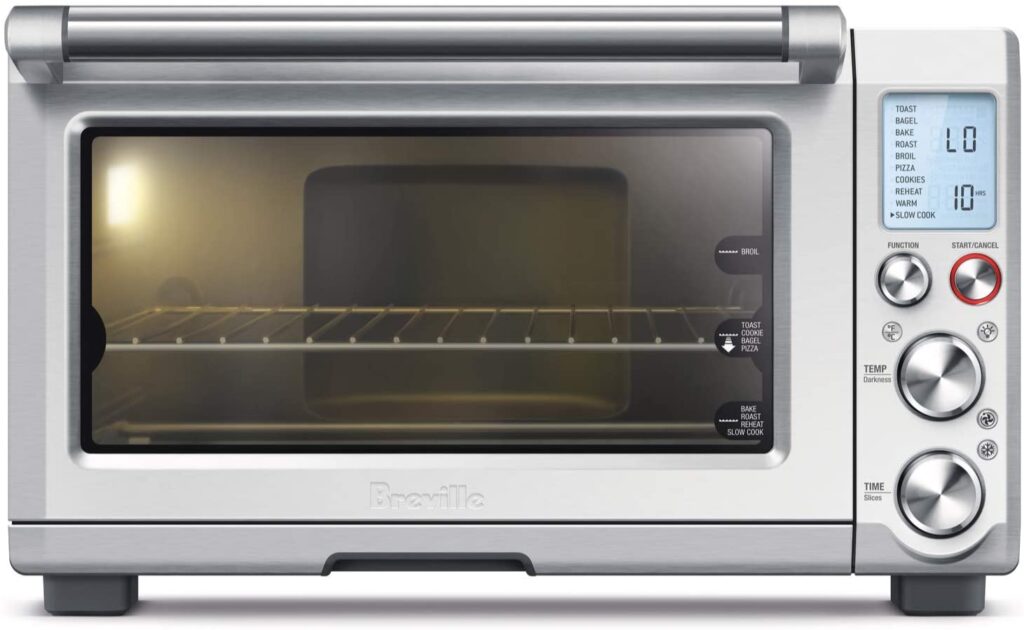
- Oven Method: Lay bacon on a foil-lined baking sheet and bake at 325-350°F for 15-25 minutes depending on thickness.
- Skillet Method: Traditional pan-frying works, though it requires constant attention and creates splatter.
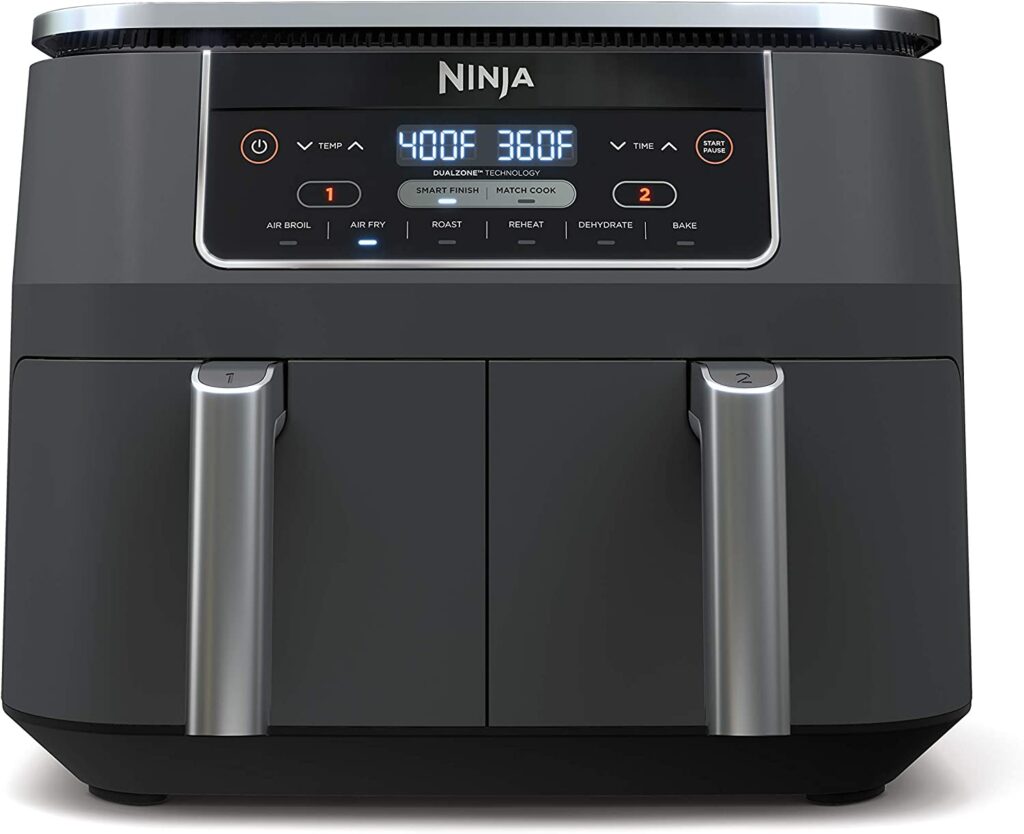
- Air Fryer: Provides quick cooking and crisp results with less cleanup.
Each method mimics slow cooker outcomes to some degree but varies in texture and hands-off convenience.
Reheating Leftovers In Slow Cooker
Reheating cooked bacon in a slow cooker preserves moisture better than microwaving, which can make it rubbery:
- Set the slow cooker to Low.
- Place bacon in a single layer on parchment or foil.
- Cover and heat for 20-30 minutes until warm, checking periodically to avoid overcooking.
Avoid high heat, as it can make already-cooked bacon tough or dry.
FAQs
Can I Cook Bacon In A Slow Cooker?
Yes, bacon can be cooked in a slow cooker. It cooks slowly and evenly, allowing the fat to render without splattering, making it a convenient alternative to stovetop or oven methods.
Do I Need To Add Water Or Oil When Cooking Bacon In A Slow Cooker?
No additional water or oil is necessary. Bacon releases its own fat during cooking, which prevents it from sticking to the slow cooker and helps it cook evenly.
What Temperature Setting Should I Use To Cook Bacon In A Slow Cooker?
It is recommended to use the low setting. This allows the bacon to cook gradually, rendering fat properly and preventing it from burning or becoming overly crisp.
How Long Does It Take To Cook Bacon In A Slow Cooker?
Cooking time typically ranges from 2 to 4 hours on low, depending on the thickness of the bacon and your preferred level of crispiness. Thinner slices may take closer to 2 hours, while thick-cut bacon can take up to 4 hours.
Can I Stack Bacon Slices In A Slow Cooker?
Yes, you can stack bacon slices, but for more even cooking, it is better to lay them in a single layer or slightly overlap them. Stacking too many slices may result in uneven cooking.
Do I Need To Flip The Bacon During Cooking?
Flipping is optional but recommended for more uniform cooking. If you prefer evenly crisped bacon on both sides, flipping halfway through the cooking process is ideal.
Will Slow Cooker Bacon Be Crispy?
Slow cooker bacon tends to be less crispy than pan-fried or oven-baked bacon due to the slower cooking process and moisture retention. If you want extra crispiness, you can briefly broil it in the oven after slow cooking.
How Do I Prevent Bacon From Sticking To The Slow Cooker?
To prevent sticking, you can line the slow cooker with parchment paper or a slow cooker liner. Alternatively, using the bacon’s own fat and ensuring it is not overcrowded also helps reduce sticking.
Can I Cook Flavored Or Pre-seasoned Bacon In A Slow Cooker?
Yes, flavored or pre-seasoned bacon can be cooked in a slow cooker. However, monitor it closely, as added sugar or spices may caramelize faster and could burn if cooked too long.
How Should I Store Leftover Slow Cooker Bacon?
Leftover bacon should be cooled to room temperature, then stored in an airtight container in the refrigerator for up to 4-5 days. Reheat gently in the microwave, oven, or skillet to maintain texture.