
How To Cook Round Roast Beef In Slow Cooker [GUIDE]
The round roast beef, cut from the rear leg of the cow, is a lean yet flavorful cut that can be tricky to prepare. Unlike fattier cuts such as ribeye or chuck, round roast lacks the natural marbling that typically keeps meat tender during cooking. This is where the slow cooker becomes an indispensable ally. By providing a consistent, low-temperature environment, a slow cooker transforms a potentially tough cut into a succulent, melt-in-your-mouth centerpiece for your meal. This method not only preserves the beef’s natural flavor but allows you to infuse it with a medley of aromatics, herbs, and sauces that penetrate deeply over hours of gentle cooking. Whether you’re preparing a comforting weeknight dinner or a Sunday family feast, mastering round roast in a slow cooker guarantees a flavorful, tender result every time.
Contents
- 1 How Long To Cook Round Roast Beef In Slow Cooker
- 2 How To Tell If It Is Done
- 3 Ingredients Needed
- 4 How To Cook Round Roast Beef In Slow Cooker
- 5 When Things Go Wrong
- 6 Expert Tips
- 7 Can I Do This Without A Slow Cooker?
- 8 Reheating Leftovers In Slow Cooker
- 9 FAQs
- 9.1 What Is The Best Cut Of Round Roast For Slow Cooking?
- 9.2 Should I Sear The Round Roast Before Putting It In The Slow Cooker?
- 9.3 How Much Liquid Should I Add To The Slow Cooker?
- 9.4 What Vegetables Can I Cook With Round Roast In A Slow Cooker?
- 9.5 What Temperature Setting Should I Use?
- 9.6 How Can I Ensure My Round Roast Stays Moist?
- 9.7 How Do I Know When The Roast Is Fully Cooked?
- 9.8 Can I Add Seasonings Directly To The Slow Cooker?
- 9.9 Should I Cover The Roast With Foil Or Keep It Uncovered In The Slow Cooker?
- 9.10 Can I Use A Frozen Round Roast In The Slow Cooker?
How Long To Cook Round Roast Beef In Slow Cooker
Cooking times for round roast beef in a slow cooker depend on both the weight of the roast and the temperature setting. For most cuts:
- Low heat: 8-10 hours
- High heat: 4-6 hours
The slow, low-temperature approach is generally preferred because it allows the meat fibers to break down gradually, resulting in a more tender and juicy roast. Cooking on high can speed up the process, but it increases the risk of drying out this naturally lean cut. A general rule of thumb is roughly 1.5 to 2 hours per pound on low heat, though exact times can vary based on the individual slow cooker, the thickness of the roast, and whether the meat is frozen or thawed.
How To Tell If It Is Done
Unlike more forgiving cuts of beef, round roast requires careful monitoring to avoid toughness. Here’s how to check doneness:
-
Internal Temperature: Using a meat thermometer, check the thickest part of the roast. Target temperatures:
- Medium-rare: 135°F (57°C)
- Medium: 145°F (63°C)
- Well-done: 160°F (71°C)
- Texture Test: When the roast is fully cooked, it should pull apart easily with a fork. For slicing, it should still have some resistance but not be rubbery.
- Juice Check: Clear juices indicate doneness, while pink or reddish juices suggest the meat needs more time.
Ingredients Needed
Creating a flavorful round roast in a slow cooker involves more than just the meat. Here’s a typical ingredient list:
- 3-5 lb round roast beef
- 2 tablespoons olive oil or vegetable oil
- 1 large onion, sliced
- 3-4 cloves garlic, minced
- 4-5 medium carrots, cut into chunks
- 3-4 celery stalks, chopped
- 1-2 cups beef broth or stock
- 1 teaspoon salt
- ½ teaspoon black pepper
- 1 teaspoon dried thyme or rosemary
- 1 bay leaf
- Optional: potatoes, parsnips, mushrooms, or red wine for extra depth
These ingredients combine to create a rich, aromatic environment that keeps the lean beef moist while enhancing its natural flavor.
How To Cook Round Roast Beef In Slow Cooker
- Sear the Meat (Optional but Recommended): Heat oil in a skillet over medium-high heat. Brown the roast on all sides until a deep golden crust forms. This step adds flavor and helps seal in juices.
- Prepare the Slow Cooker: Layer onions, garlic, carrots, and celery at the bottom. Place the seared roast on top.
- Add Liquids and Seasonings: Pour beef broth (or stock) over the roast. Add salt, pepper, herbs, and bay leaf. For a richer flavor, a splash of red wine or Worcestershire sauce can be added.
- Slow Cook: Cover and cook on low for 8-10 hours or high for 4-6 hours. Resist the urge to lift the lid frequently, as each lift releases heat and extends cooking time.
- Rest Before Slicing: Remove the roast and let it rest for 10-15 minutes before slicing to allow juices to redistribute.
When Things Go Wrong
Even with slow cooking, problems can arise:
- Meat is tough: Likely cooked too quickly or without enough liquid. Ensure the roast is mostly submerged and cook on low heat.
- Meat is dry: Lean cuts like round roast benefit from occasional basting or cooking with a liquid-rich base.
- Flavor is bland: Check seasoning before cooking. Consider marinating the roast overnight or using a combination of herbs, garlic, and broth for depth.
Expert Tips
- Cut Against the Grain: For maximum tenderness, always slice the roast against the grain.
- Layer Flavors: Don’t just throw everything in. Layer vegetables, add herbs at different stages, and deglaze the pan after searing for richer depth.
- Check Liquid Levels: Make sure the liquid reaches at least halfway up the roast. This ensures even cooking and prevents drying.
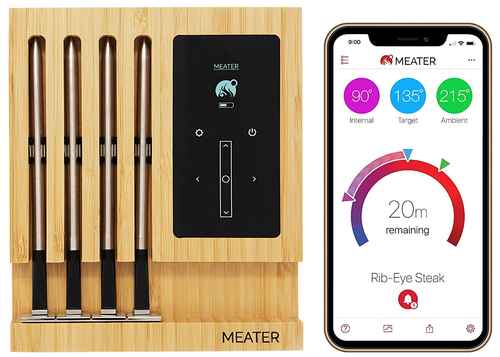
- Use a Meat Thermometer: This is the most reliable way to guarantee perfect doneness.
Can I Do This Without A Slow Cooker?
Absolutely. A round roast can be cooked in the oven or on the stovetop:
- Oven: Preheat to 325°F (160°C). Sear the meat, then place it in a covered roasting pan with vegetables and broth. Roast 20-25 minutes per pound.
- Stovetop: Use a heavy-bottomed pot or Dutch oven. Brown the roast, then simmer gently on low heat for 3-4 hours, turning occasionally and keeping it partially submerged in liquid.
The key principle remains: low and slow is essential for tenderness.
Reheating Leftovers In Slow Cooker
Leftovers can be reheated without losing moisture:
- Slice or shred the beef.
- Place in the slow cooker with a small amount of broth or gravy.
- Heat on low for 1-2 hours until warmed through. Avoid high heat, which can dry the meat.
This method keeps the meat tender and allows it to reabsorb some of the cooking juices.
FAQs
What Is The Best Cut Of Round Roast For Slow Cooking?
The top round, bottom round, and eye of round are ideal for slow cooking. Top round is slightly more tender, while bottom round and eye of round are leaner but benefit from long, slow cooking to become tender.
Should I Sear The Round Roast Before Putting It In The Slow Cooker?
Searing is optional but recommended. Browning the roast on all sides before slow cooking enhances flavor through the Maillard reaction and helps lock in juices.
How Much Liquid Should I Add To The Slow Cooker?
Add about 1 to 2 cups of liquid, such as beef broth, wine, or a combination. The liquid should cover the bottom of the slow cooker but does not need to submerge the roast entirely, as slow cooking produces its own juices.
What Vegetables Can I Cook With Round Roast In A Slow Cooker?
Root vegetables like carrots, potatoes, and parsnips, along with onions and celery, are excellent choices. Cut them into uniform pieces to ensure even cooking and place them under or around the roast for optimal flavor absorption.
What Temperature Setting Should I Use?
Use the low setting for 8-10 hours for tender results, or the high setting for 4-6 hours if time is limited. Low and slow is preferred for tougher cuts like round roast to break down connective tissue.
How Can I Ensure My Round Roast Stays Moist?
Moisture retention is achieved by using adequate liquid, covering the slow cooker, and avoiding lifting the lid frequently. Basting occasionally with cooking juices also helps keep the meat juicy.
How Do I Know When The Roast Is Fully Cooked?
Check internal temperature with a meat thermometer. Medium doneness is around 135-140°F (57-60°C), medium-well 145-150°F (63-66°C). The meat should be fork-tender and easy to shred or slice.
Can I Add Seasonings Directly To The Slow Cooker?
Yes, seasonings like salt, pepper, garlic, herbs, and Worcestershire sauce can be added at the start. However, delicate herbs like parsley should be added toward the end to preserve flavor.
Should I Cover The Roast With Foil Or Keep It Uncovered In The Slow Cooker?
Keep the roast uncovered only if you want a slightly reduced sauce. Otherwise, cover the slow cooker to retain moisture, prevent drying, and allow slow, even cooking.
Can I Use A Frozen Round Roast In The Slow Cooker?
It is not recommended to cook a frozen roast directly in a slow cooker, as it may stay in the danger zone for bacterial growth too long. Thaw the roast fully in the refrigerator before slow cooking.