
How To Cook Brats In Slow Cooker [GUIDE]
Bratwurst-often simply called brats-are one of the most versatile and crowd-pleasing sausages you can prepare. While traditionally grilled or pan-seared, cooking brats in a slow cooker produces a deeply flavorful result that requires almost no hands-on effort. The slow, steady heat allows the sausage to gently simmer in your liquid of choice-beer, broth, apple cider, or aromatics-resulting in exceptionally tender sausages that stay juicy all the way through.
Slow-cooking is also ideal for hosting: you can prep brats hours in advance, keep them warm without drying out, and infuse them with whatever flavor profile you prefer. If you have ever struggled with overcooked, split casings or underdone centers, the slow cooker provides unmatched consistency.
Contents
- 1 How Long To Cook Brats In Slow Cooker
- 2 How To Tell If It Is Done
- 3 Ingredients Needed
- 4 How To Cook Brats In Slow Cooker
- 5 When Things Go Wrong
- 6 Expert Tips
- 7 Can I Do This Without A Slow Cooker?
- 8 Reheating Leftovers In Slow Cooker
- 9 FAQs
- 9.1 Can I Cook Brats Directly In The Slow Cooker Without Browning Them First?
- 9.2 How Long Should Brats Cook In A Slow Cooker?
- 9.3 Do I Need To Add Liquid When Cooking Brats In A Slow Cooker?
- 9.4 Is It Safe To Cook Frozen Brats In A Slow Cooker?
- 9.5 Can I Add Vegetables When Cooking Brats In A Slow Cooker?
- 9.6 What Liquid Is Best For Slow Cooker Brats?
- 9.7 Should I Pierce The Brats Before Cooking In A Slow Cooker?
- 9.8 Can I Cook Brats With Buns In The Slow Cooker?
- 9.9 How Do I Know When Brats Are Fully Cooked In A Slow Cooker?
- 9.10 Can I Freeze Leftover Slow Cooker Brats?
How Long To Cook Brats In Slow Cooker
The exact time depends on whether the brats are fresh, pre-cooked, or frozen. Here are the general guidelines:
Fresh (raw) Bratwurst
- Low: 6 to 7 hours
- High: 3 to 4 hours
Pre-cooked Brats
- Low: 4 to 5 hours
- High: 2 to 3 hours
Frozen Brats
- Low: 7 to 8 hours
-
High: 4 to 5 hours
(It is still best practice to thaw thoroughly first to ensure even heating.)
These times assume the brats are partially submerged in liquid and layered over onions or aromatics. If your slow cooker runs hot or cold, the times may vary slightly, but these ranges hold true for most standard models.
How To Tell If It Is Done
Brats are considered safely cooked when they reach an internal temperature of 160°F (71°C). Because slow cookers heat gently and evenly, the sausages rarely overcook once they reach temperature.
Signs your brats are finished:
- The casings are firm but not split.
- When pierced with a thermometer, juices run clear rather than pink.
- The interior is uniformly opaque.
- There is no pink or raw texture in the center.
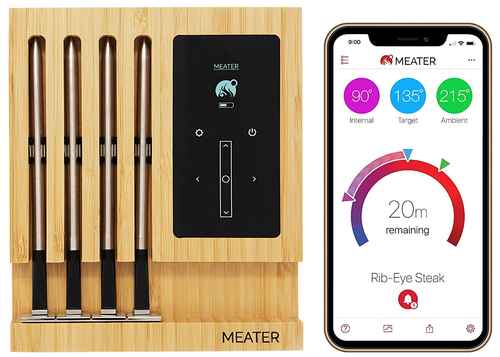
Using a thermometer is the only dependable method. Visual cues help, but brats can appear fully cooked on the exterior long before the center is safe to eat.
Ingredients Needed
While the ingredient list is flexible, here is a classic base for slow-cooked brats:
- 6-10 bratwursts (fresh or pre-cooked)
- 1-2 large onions, sliced into rings
- 2-3 cloves garlic, smashed
- 2-3 cups of liquid (beer is traditional, but broth, cider, or water also work)
- 1-2 tablespoons butter (optional for richness)
- Salt and pepper, to taste
-
Optional Add-ins
- Sauerkraut
- Mustard seeds
- Sliced bell peppers
- Caraway seeds
- Worcestershire sauce
- Bay leaves
The beauty of this method is its flexibility; you can adjust seasonings to match the flavor profile you prefer.
How To Cook Brats In Slow Cooker
-
Sear The Brats (optional But Recommended).
Browning the brats in a skillet for 2-3 minutes per side adds depth and color. This step is purely for flavor and appearance; it does not cook them through.
-
Layer Onions On The Bottom Of The Slow Cooker.
The onions act as a flavorful bed and prevent the brats from sitting directly on the heat source.
- Add garlic and any optional aromatics.
-
Place Brats On Top Of The Onions.
You can overlap them slightly but avoid tightly packing them.
-
Pour In Your Liquid.
Add enough to reach at least halfway up the brats. Full submersion is fine but not necessary.
- Add butter or seasonings.
-
Cover And Cook.
- Low: 6-7 hours
- High: 3-4 hours
-
Check Internal Temperature.
Ensure each brat reaches 160°F before serving.
-
Optional: Finish Under A Broiler Or On A Grill.
This adds crispness to the casing without sacrificing the tender interior.
When Things Go Wrong
Even a simple slow cooker recipe can face minor complications. Here are the most common issues:
Brats Split During Cooking
This usually occurs when the cooker is too full or the sausages are packed tightly. It can also happen when cooking on High for too long. Use more liquid and leave a little space between brats.
Brats Appear Gray Or Pale
Slow cookers do not brown meats. If color matters, sear them first or finish them under a broiler.
Brats Are Tough Rather Than Tender
This indicates undercooking. Extend the cook time and ensure the internal temperature reaches the recommended level.
Liquid Becomes Cloudy Or Greasy
This can happen with high-fat sausages. Skim the top or use beers or broths with less sediment.
Expert Tips
-
Sear First For Maximum Flavor.
Searing creates a Maillard reaction, adding savory depth that the slow cooker alone cannot achieve.
-
Use Beer With Low Bitterness.
Highly hopped beers can yield a slightly bitter finish after long cooking.
-
Cut Onions Thickly.
Thin slices disintegrate during long cooking; thicker rings maintain texture.
-
Avoid Overcrowding.
Brats need space for moisture circulation; packing too many together results in uneven heating.
-
For Sauerkraut Lovers
Add it during the last 1-2 hours, so it does not become overly soft.
-
Keep Brats Warm For Serving.
Slow cookers can hold cooked brats on Warm for up to 2 hours without drying out.
Can I Do This Without A Slow Cooker?
Absolutely. Here are reliable alternatives:
On The Stovetop
Simmer brats in a covered pot with the same liquid and aromatics for 20-25 minutes, then brown in a skillet.
In The Oven
Place brats and liquid in a covered baking dish or Dutch oven. Bake at 325°F for 45-60 minutes, then brown under a broiler if desired.
In An Instant Pot
Use Slow Cook mode for the same timing, or pressure cook on High for 7-10 minutes followed by natural release.
While these methods deliver excellent results, none replicate the hands-off convenience of a slow cooker quite as well.
Reheating Leftovers In Slow Cooker
You can reheat leftover brats in the slow cooker, but avoid starting from a cold state with frozen leftovers. Follow the guidelines:
- Add brats and a small amount of liquid (½-1 cup).
- Heat on Low for 1.5 to 2 hours, or until warmed through to at least 165°F.
- Do not reheat on Warm; it will hold temperature but does not heat quickly enough for food safety.
- If texture matters, crisp the brats after reheating by broiling or pan-searing for 1-2 minutes.
Slow cookers are ideal for keeping large batches meal-ready for parties, tailgates, or buffet-style serving.
FAQs
Can I Cook Brats Directly In The Slow Cooker Without Browning Them First?
Yes, you can cook brats directly in the slow cooker, but browning them in a skillet beforehand enhances flavor and improves the texture of the casing. Browning adds a caramelized depth that slow cooking alone cannot achieve.
How Long Should Brats Cook In A Slow Cooker?
Brats typically cook in a slow cooker for 3 to 4 hours on high or 6 to 8 hours on low. Cooking times can vary slightly based on the size of the sausages and the specific slow cooker model.
Do I Need To Add Liquid When Cooking Brats In A Slow Cooker?
Yes, adding a small amount of liquid helps prevent the brats from drying out and creates a flavorful cooking environment. Common choices include beer, broth, or a combination of water and onions or seasonings.
Is It Safe To Cook Frozen Brats In A Slow Cooker?
It is not recommended to cook frozen brats in a slow cooker, as slow cooking may not bring them to a safe temperature quickly enough. Thaw them in the refrigerator before cooking to ensure even cooking and food safety.
Can I Add Vegetables When Cooking Brats In A Slow Cooker?
Yes, vegetables like onions, peppers, and potatoes can be added. Place root vegetables on the bottom, as they take longer to cook, and layer the brats on top to allow even cooking.
What Liquid Is Best For Slow Cooker Brats?
Beer is a popular choice, especially for traditional brat recipes, as it adds a rich, malty flavor. Chicken or vegetable broth is a good non-alcoholic alternative. You can also mix in a bit of mustard, onions, or garlic for added taste.
Should I Pierce The Brats Before Cooking In A Slow Cooker?
No, do not pierce the brats. Piercing causes the juices to escape, which can make the sausages dry and reduce flavor. Slow cooking preserves moisture without the need for piercing.
Can I Cook Brats With Buns In The Slow Cooker?
No, buns should not go in the slow cooker. They will become soggy and lose their structure. Toast or warm them separately just before serving.
How Do I Know When Brats Are Fully Cooked In A Slow Cooker?
Brats are fully cooked when they reach an internal temperature of 160°F (71°C). Use a meat thermometer to check the temperature in the center of the sausage to ensure they are safe to eat.
Can I Freeze Leftover Slow Cooker Brats?
Yes, leftover brats can be frozen. Allow them to cool completely, then wrap tightly in plastic wrap or place in a freezer-safe container. They can be stored for up to 2-3 months and reheated safely in the oven, skillet, or microwave.