
How To Cook Goat Meat In Slow Cooker [GUIDE]
Goat meat, often called chevon or cabrito depending on the age of the animal, is a flavorful, lean, and nutrient-rich protein cherished in many cuisines around the world. Unlike beef or lamb, goat meat is lower in fat and cholesterol, yet it retains a robust flavor that intensifies with slow cooking. Its slightly gamey taste and tender texture make it perfect for stews, curries, and braises. Cooking goat meat can be intimidating for those unfamiliar with it because of its firm texture, but when approached with patience and the right technique, it transforms into a melt-in-your-mouth delight. One of the most reliable methods for achieving this tender, succulent result is using a slow cooker, which allows the meat to cook gently over several hours, breaking down tough fibers while infusing the dish with rich flavors.
Contents
- 1 How Long To Cook Goat Meat In Slow Cooker
- 2 How To Tell If It Is Done
- 3 Ingredients Needed
- 4 How To Cook Goat Meat In Slow Cooker
- 5 When Things Go Wrong
- 6 Expert Tips
- 7 Can I Do This Without A Slow Cooker?
- 8 Reheating Leftovers In Slow Cooker
- 9 FAQs
- 9.1 What Cut Of Goat Meat Is Best For A Slow Cooker?
- 9.2 Do I Need To Marinate Goat Meat Before Using A Slow Cooker?
- 9.3 Should I Brown The Goat Meat Before Slow Cooking?
- 9.4 How Long Should Goat Meat Cook In A Slow Cooker?
- 9.5 Can I Cook Goat Meat With Vegetables In The Slow Cooker?
- 9.6 How Much Liquid Should I Add When Slow Cooking Goat Meat?
- 9.7 What Seasonings Pair Well With Slow-cooked Goat Meat?
- 9.8 Is It Safe To Cook Goat Meat On High In A Slow Cooker?
- 9.9 Can I Cook Frozen Goat Meat In A Slow Cooker?
- 9.10 How Can I Tell When Goat Meat Is Done In A Slow Cooker?
How Long To Cook Goat Meat In Slow Cooker
Goat meat requires low and slow cooking due to its lean composition and naturally fibrous texture. Unlike fattier meats that can handle higher temperatures, cooking goat meat too quickly can result in a tough, chewy experience. In a slow cooker, cooking times vary depending on the cut and size of the pieces:
- Bone-in cuts (shoulder, leg, shank): 6-8 hours on low or 4-6 hours on high.
- Boneless cuts (stew meat, cubes): 5-7 hours on low or 3-4 hours on high.
Keep in mind that these are guidelines rather than strict rules. Slow cookers vary in heat intensity, so always monitor your meat for tenderness. Generally, low and slow is preferred, as it allows the collagen in tougher cuts to dissolve into gelatin, creating a silky, juicy texture.
How To Tell If It Is Done
Determining when goat meat is done requires more than just timing. Here are ways to tell:
- Fork Test: The easiest method-take a fork and gently pierce a piece of meat. If it slides in and out effortlessly and the meat begins to flake, it is ready.
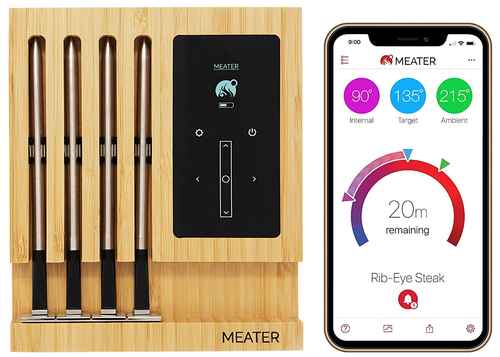
- Internal Temperature: For safe consumption, goat meat should reach an internal temperature of 145°F (63°C) for medium-rare or 160°F (71°C) for well-done. Slow-cooked goat is often cooked well beyond this to achieve tenderness, sometimes up to 190°F (88°C) in the thickest cuts.
- Texture and Appearance: Well-cooked goat will have a rich brown color, and the muscle fibers will begin separating without resistance. Undercooked meat will appear firm and resist cutting.
Ingredients Needed
The beauty of slow cooker goat recipes lies in their versatility. A basic set of ingredients for a slow-cooked goat stew might include:
- Goat meat: 2-3 lbs (preferably shoulder, leg, or stew cuts)
- Aromatics: 1 large onion (sliced), 3-4 garlic cloves (minced)
- Vegetables: Carrots, potatoes, bell peppers, or your preferred root vegetables
- Liquids: 2-3 cups of broth (chicken, beef, or vegetable) or water
- Acids: 1-2 tablespoons of tomato paste, vinegar, or lemon juice for flavor balance
- Herbs and Spices: Bay leaves, thyme, rosemary, paprika, cumin, black pepper, or allspice
- Oil or fat: 1-2 tablespoons for searing if desired
Optional ingredients such as coconut milk, chili, or wine can elevate flavors, depending on the regional cuisine you want to emulate.
How To Cook Goat Meat In Slow Cooker
- Prep the meat: Trim excess fat and cut the meat into uniform pieces for even cooking. Optionally, marinate for 2-12 hours to enhance flavor.
- Sear (optional but recommended): In a hot skillet with oil, sear the meat until browned on all sides. This caramelizes the surface and adds depth to the final flavor.
- Layer ingredients: Place aromatics at the bottom of the slow cooker, followed by meat, then vegetables on top.
- Add liquids: Pour in your broth or water until it just covers the meat. Stir in herbs and spices.
- Cook: Cover and cook on low for 6-8 hours, or high for 4-6 hours, checking for tenderness toward the end.
- Finish and season: Taste and adjust salt, pepper, or acidity before serving. For a thicker sauce, remove the lid in the last 30-60 minutes to reduce liquid, or stir in a slurry of cornstarch and water.
When Things Go Wrong
Even seasoned cooks encounter hiccups when slow-cooking goat:
- Meat is tough: Likely undercooked; extend cooking time. Avoid high heat, as it can dry out lean goat.
- Too watery: Remove the lid for the last hour or use a thickening agent like cornstarch or flour.
- Over-seasoned: Dilute with additional broth, vegetables, or even a small potato that will absorb excess salt.
- Off flavors: Make sure the meat is fresh and trim any overly gamey fat; goat fat can become strong if overcooked.
Expert Tips
- Always cut meat against the grain for a more tender chew.
- Browning meat adds depth of flavor; it’s worth the extra 10 minutes.
- Acidic ingredients like vinegar, tomatoes, or citrus juice help tenderize the meat naturally.
- Don’t overfill the slow cooker-leave at least 1 inch from the top to avoid spills.
- Cook larger bones with meat for richer broth, but remove before serving if undesired.
Can I Do This Without A Slow Cooker?
Absolutely. You can mimic slow cooker results on the stove or in the oven:
- Stovetop: Use a heavy-bottomed pot or Dutch oven, cover, and simmer on the lowest heat for 3-5 hours. Stir occasionally and add liquid as needed.
- Oven: Set at 275-300°F (135-150°C), cover tightly, and cook 3-6 hours depending on cut size. This gentle, even heat produces similar tender results to a slow cooker.
Reheating Leftovers In Slow Cooker
Leftovers can easily be revived:
- Place goat meat and its juices in the slow cooker.
- Add a splash of broth or water to prevent drying.
- Heat on low for 1-2 hours or until steaming and tender.
Avoid reheating on high too quickly, as goat meat can dry out. Slow, gentle heat preserves its juiciness.
FAQs
What Cut Of Goat Meat Is Best For A Slow Cooker?
For slow cooking, tougher cuts such as goat shoulder, leg, or neck work best. These cuts have more connective tissue and fat, which break down over long cooking periods, resulting in tender, flavorful meat.
Do I Need To Marinate Goat Meat Before Using A Slow Cooker?
Marinating is optional but recommended to enhance flavor. A marinade with acidic ingredients like yogurt, lemon juice, or vinegar can help tenderize the meat while adding depth to the taste.
Should I Brown The Goat Meat Before Slow Cooking?
Browning the meat is not strictly necessary, but it improves flavor and color. Searing goat meat in a hot pan before transferring it to the slow cooker creates a richer, more complex taste.
How Long Should Goat Meat Cook In A Slow Cooker?
Cook time depends on the cut and size of meat. Generally, cook goat meat on low for 6-8 hours or on high for 3-4 hours until it becomes tender and easily shredded with a fork.
Can I Cook Goat Meat With Vegetables In The Slow Cooker?
Yes, adding vegetables such as carrots, potatoes, onions, and bell peppers is ideal. Place harder vegetables at the bottom, closer to the heat source, to ensure even cooking.
How Much Liquid Should I Add When Slow Cooking Goat Meat?
Add enough liquid to partially submerge the meat, typically 1-2 cups of broth, water, or a sauce. Goat meat releases some moisture during cooking, so excessive liquid is unnecessary.
What Seasonings Pair Well With Slow-cooked Goat Meat?
Common seasonings include garlic, ginger, cumin, coriander, turmeric, thyme, rosemary, and chili powder. Slow cooking allows spices and herbs to infuse deeply into the meat.
Is It Safe To Cook Goat Meat On High In A Slow Cooker?
Yes, it is safe, but high heat may result in less tender meat if overcooked. Low and slow cooking is preferable for tougher cuts, while high heat is suitable for smaller or already tender cuts.
Can I Cook Frozen Goat Meat In A Slow Cooker?
It is not recommended to cook frozen meat directly in a slow cooker because it may remain in the temperature danger zone too long, increasing the risk of bacterial growth. Thaw the meat first for safe and even cooking.
How Can I Tell When Goat Meat Is Done In A Slow Cooker?
Goat meat is done when it is fork-tender and easily pulls apart. Internal temperature should reach at least 160°F (71°C) for safety, although slow cooking often results in higher temperatures over long periods, making the meat extremely tender.