
How To Cook Ham In A Ninja Slow Cooker [GUIDE]
Cooking ham can feel like a culinary milestone, especially when you want a meal that is both flavorful and effortlessly tender. A Ninja Slow Cooker transforms this process into a hands-off, aromatic experience, infusing the ham with a rich depth of flavor while ensuring it stays moist and succulent. Unlike traditional oven roasting, which requires close attention to temperature and timing, the slow cooker allows the meat to gently simmer over several hours, preserving its natural juices and enhancing any glaze or seasoning you choose. Whether it’s a holiday centerpiece or a comforting weeknight meal, mastering the art of slow-cooked ham in a Ninja Slow Cooker ensures consistent results and minimal stress.
Contents
- 1 How Long To Cook Ham In A Ninja Slow Cooker
- 2 How To Tell If It Is Done
- 3 Ingredients Needed
- 4 How To Cook Ham In A Ninja Slow Cooker
- 5 When Things Go Wrong
- 6 Expert Tips
- 7 Can I Do This Without A Slow Cooker?
- 8 Reheating Leftovers In Slow Cooker
- 9 FAQs
- 9.1 What Type Of Ham Is Best For A Ninja Slow Cooker?
- 9.2 Do I Need To Thaw A Frozen Ham Before Cooking It In A Ninja Slow Cooker?
- 9.3 How Much Liquid Should I Add To The Slow Cooker When Cooking Ham?
- 9.4 Can I Add A Glaze To The Ham While Cooking In A Slow Cooker?
- 9.5 What Temperature And Setting Should I Use On A Ninja Slow Cooker?
- 9.6 How Do I Prevent The Ham From Drying Out In A Ninja Slow Cooker?
- 9.7 Can I Add Vegetables Or Other Ingredients With The Ham?
- 9.8 Do I Need To Baste The Ham During Cooking?
- 9.9 How Long Should I Let The Ham Rest After Cooking In The Slow Cooker?
- 9.10 Can I Reheat Leftover Ham In The Ninja Slow Cooker?
How Long To Cook Ham In A Ninja Slow Cooker
Cooking time is critical to achieve that perfect balance of tenderness without drying out the meat. The general rule of thumb is 4-6 hours on low heat or 2-3 hours on high heat for a fully cooked, bone-in ham. For smaller cuts like half-hams, cooking times may reduce slightly, while larger whole hams can require the upper end of the range.
The slow cooker’s low-and-slow heat method allows connective tissues to break down gently, producing meat that effortlessly pulls away from the bone. Avoid rushing the process-overcooking can lead to a ham that, while safe to eat, loses its luscious juiciness.
How To Tell If It Is Done
Checking doneness is less about time and more about temperature and texture:
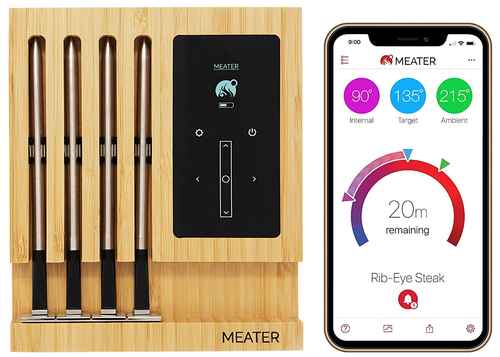
- Internal Temperature – Use a meat thermometer to measure the thickest part of the ham, avoiding the bone. For a pre-cooked ham, aim for 140°F (60°C); for uncooked, fully cooked ham, target 145°F (63°C) with a three-minute rest.
- Visual Cues – The exterior should have a slightly caramelized, golden-brown glaze if you’ve applied one. The meat will appear firm but springy when pressed.
- Pull Test – For bone-in ham, the meat should separate easily from the bone without excessive force.
Slow cookers can vary in temperature consistency, so using a thermometer ensures precise results and prevents undercooked or overcooked ham.
Ingredients Needed
For a basic yet flavorful slow-cooked ham, you’ll need:
- Ham – 4-8 pounds, bone-in or boneless, pre-cooked or raw depending on preference.
-
Glaze/Seasoning (optional but recommended) –
- Brown sugar or honey for sweetness
- Dijon mustard or whole-grain mustard for tang
- Apple cider or pineapple juice for moisture and flavor
- Ground cloves, cinnamon, or nutmeg for warmth
- Black pepper for balance
- Aromatic vegetables (optional) – Onion, garlic, or carrot slices placed at the bottom of the slow cooker to infuse flavor
- Liquid – Water, broth, or fruit juice to maintain moisture and prevent scorching
These simple ingredients combine to create a deeply flavored ham without overwhelming the natural taste of the meat.
How To Cook Ham In A Ninja Slow Cooker
- Prepare the Ham – If your ham has a thick outer skin or excess fat, trim it slightly, leaving a thin layer to preserve moisture. Score the surface in a diamond pattern if using a glaze.
- Add Aromatics – Layer the bottom of the slow cooker with onions, garlic, or other aromatic vegetables. These act as a natural flavor base and prevent the ham from sticking.
- Apply Glaze – Spread a thin layer of your chosen glaze over the ham. Slow cooking will enhance caramelization.
- Add Liquid – Pour ½-1 cup of water, broth, or juice into the slow cooker. The ham will release additional juices, combining with the liquid to create a flavorful sauce.
- Cook – Cover and set to low or high, depending on your timeline. Resist the urge to lift the lid frequently, as each peek extends cooking time.
- Finish – Optional: For a caramelized exterior, transfer the ham to an oven or broiler for 5-10 minutes once cooking is complete.
When Things Go Wrong
Even with a slow cooker, issues can arise:
- Dry Ham – Often caused by overcooking or insufficient liquid. Ensure adequate moisture and consider tenting with foil during finishing.
- Undercooked Ham – Check your slow cooker’s temperature; some models run cooler than indicated. Use a thermometer to confirm doneness.
- Burnt Glaze – Sugary glazes can burn if applied too early or cooked uncovered. Apply during the last 30-60 minutes or finish under a broiler.
Understanding these pitfalls helps prevent disappointment and salvages the meal when minor errors occur.
Expert Tips
- Room Temperature Ham – Let the ham sit at room temperature for 20-30 minutes before cooking for even heat distribution.
- Layer Flavors – Combine juice, mustard, and spices for a more complex glaze. Basting once during cooking can enhance flavor.
- Use the Bone – Bone-in hams provide superior flavor and moisture retention.
- Keep Lid Closed – Every time you lift the lid, you lose heat and increase cooking time. Only check near the end.
- Rest After Cooking – Allow the ham to rest for 10-15 minutes before slicing. This helps retain juices.
Can I Do This Without A Slow Cooker?
Yes. You can achieve similar results in an oven using a low-and-slow roasting method:
- Preheat the oven to 275-300°F (135-150°C).
- Place the ham in a roasting pan with liquid and cover tightly with foil.
- Cook for roughly the same time as in a slow cooker, about 15-18 minutes per pound for pre-cooked ham.
- Finish uncovered for 10-15 minutes to caramelize the glaze.
While an oven works, a slow cooker provides convenience, even heat, and a self-basting environment that’s hard to replicate.
Reheating Leftovers In Slow Cooker
Slow cookers excel at gently reheating ham without drying it out:
- Slice the ham into uniform pieces.
- Add a small amount of liquid (broth, juice, or water) to prevent dryness.
- Set the slow cooker to low for 1-2 hours, stirring occasionally to ensure even heating.
- Optional: Reapply glaze during the last 30 minutes for renewed flavor and shine.
This method preserves moisture and enhances flavor, making leftover ham just as appealing as freshly cooked.
FAQs
What Type Of Ham Is Best For A Ninja Slow Cooker?
Bone-in or boneless fully cooked hams work best. A bone-in ham adds more flavor, while a boneless ham is easier to slice. Avoid using raw hams unless you plan for longer cooking and careful temperature monitoring.
Do I Need To Thaw A Frozen Ham Before Cooking It In A Ninja Slow Cooker?
Yes. It is recommended to fully thaw frozen ham in the refrigerator before cooking to ensure even heating and reduce the risk of bacterial growth.
How Much Liquid Should I Add To The Slow Cooker When Cooking Ham?
You should add about 1/2 to 1 cup of liquid, such as water, apple juice, or broth, depending on the size of the ham. This prevents the ham from drying out and helps create flavorful juices for basting or making a glaze.
Can I Add A Glaze To The Ham While Cooking In A Slow Cooker?
Yes. Apply a glaze during the last 30-60 minutes of cooking. Adding it too early can cause the sugars to burn or become overly thick. Popular glazes include brown sugar, honey, maple syrup, or mustard-based blends.
What Temperature And Setting Should I Use On A Ninja Slow Cooker?
Use the ’Slow Cook’ function on low for 6-8 hours or high for 3-4 hours, depending on the size of the ham. The internal temperature of the ham should reach 140°F (60°C) for pre-cooked ham.
How Do I Prevent The Ham From Drying Out In A Ninja Slow Cooker?
Ensure there is enough liquid at the bottom of the cooker, cover the ham completely with the lid, and avoid lifting the lid frequently. Slow, gentle cooking helps retain moisture.
Can I Add Vegetables Or Other Ingredients With The Ham?
Yes. Root vegetables like potatoes, carrots, and onions work well. Place them at the bottom of the slow cooker to allow the ham juices to flavor them during cooking.
Do I Need To Baste The Ham During Cooking?
Basting is optional but can enhance flavor. If desired, spoon some of the liquid or glaze over the ham once or twice during cooking, especially if using a glaze.
How Long Should I Let The Ham Rest After Cooking In The Slow Cooker?
Allow the ham to rest for 10-15 minutes before slicing. This helps redistribute the juices, making the ham more moist and flavorful.
Can I Reheat Leftover Ham In The Ninja Slow Cooker?
Yes. Slice the ham and add a small amount of liquid before reheating on the ’Slow Cook’ or ’Warm’ setting for 30-60 minutes, until heated through. Covering the slow cooker prevents drying.