
How To Cook Top Sirloin Roast In Slow Cooker [GUIDE]
A top sirloin roast is a versatile, flavorful cut of beef prized for its balance of tenderness and rich, beefy taste. While it may not have the marbling of a ribeye or the succulent fat content of a prime rib, when cooked correctly, it can yield a juicy, satisfying roast that rivals more expensive cuts. Using a slow cooker elevates this cut, allowing the meat to gradually absorb seasonings and aromatics while becoming tender enough to slice or shred with ease. Slow cooking is ideal for busy days; you can set it in the morning and return home to a savory, ready-to-serve meal. In this guide, we will explore everything from preparation and cooking times to troubleshooting, expert tips, and even reheating strategies, ensuring your top sirloin roast is nothing short of spectacular.
Contents
- 1 How Long To Cook Top Sirloin Roast In Slow Cooker
- 2 How To Tell If It Is Done
- 3 Ingredients Needed
- 4 How To Cook Top Sirloin Roast In Slow Cooker
- 5 When Things Go Wrong
- 6 Expert Tips
- 7 Can I Do This Without A Slow Cooker?
- 8 Reheating Leftovers In Slow Cooker
- 9 FAQs
- 9.1 What Is The Best Way To Prepare A Top Sirloin Roast For The Slow Cooker?
- 9.2 Should I Sear The Top Sirloin Roast Before Slow Cooking?
- 9.3 How Much Liquid Should I Add To The Slow Cooker?
- 9.4 What Temperature Setting Should I Use For Slow Cooking?
- 9.5 How Can I Make Sure The Roast Stays Tender?
- 9.6 Can I Add Vegetables To The Slow Cooker With The Roast?
- 9.7 How Do I Know When The Top Sirloin Roast Is Fully Cooked?
- 9.8 Should I Let The Roast Rest After Slow Cooking?
- 9.9 Can I Use Frozen Top Sirloin Roast In The Slow Cooker?
- 9.10 How Can I Make A Flavorful Gravy From The Slow Cooker Drippings?
How Long To Cook Top Sirloin Roast In Slow Cooker
The cooking time for a top sirloin roast in a slow cooker depends primarily on the size of the roast, the temperature setting, and whether you prefer your meat medium, medium-well, or well-done. Here’s a general guideline:
- Low setting: 6-8 hours for a 3-4 pound roast. This slow, gentle heat allows connective tissue to break down fully, producing tender meat.
- High setting: 4-5 hours for a 3-4 pound roast. Faster cooking can work, but it requires careful monitoring to prevent dryness.
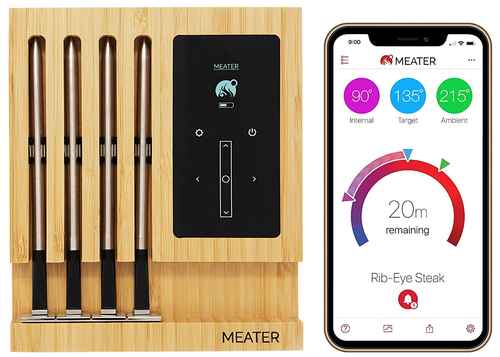
Remember, slow cookers vary in heat output, so always use a meat thermometer to confirm doneness rather than relying solely on time.
How To Tell If It Is Done
Determining doneness in a top sirloin roast is crucial to achieving the desired texture and juiciness:
-
Internal Temperature: Use an instant-read thermometer inserted into the thickest part of the roast. Ideal temperatures are:
- Medium-rare: 135°F (57°C)
- Medium: 145°F (63°C)
- Medium-well: 150°F (66°C)
- Well-done: 160°F (71°C)
- Visual and Tactile Cues: The meat should pull apart easily with a fork but still retain some firmness if you prefer it sliceable. Juices should run clear, not pink or bloody.
- Resting Time: Once cooked, allow the roast to rest for 10-15 minutes. This redistributes juices and improves flavor and tenderness.
Ingredients Needed
For a classic slow-cooked top sirloin roast, you’ll need simple yet flavorful ingredients:
- 3-4 lb top sirloin roast
- 2 tablespoons olive oil or vegetable oil
- Salt and freshly ground black pepper (to taste)
- 3-4 garlic cloves, minced
- 1 large onion, sliced
- 3-4 carrots, cut into large chunks
- 3-4 celery stalks, cut into chunks
- 1 cup beef broth or stock
- 1 teaspoon dried thyme
- 1 teaspoon dried rosemary
- Optional: 1/2 cup red wine for deglazing or added depth of flavor
This combination of aromatics and liquids ensures the roast is flavorful, moist, and infused with subtle layers of complexity.
How To Cook Top Sirloin Roast In Slow Cooker
- Prepare the Roast: Pat the meat dry with paper towels and season generously with salt, pepper, and half of your herbs.
- Sear the Roast (Optional but Recommended): Heat oil in a skillet over medium-high heat and brown the roast on all sides until a golden crust forms. This step enhances flavor and locks in juices.
- Prepare the Slow Cooker: Layer the bottom with onions, carrots, and celery. Place the roast on top.
- Add Liquids and Herbs: Pour beef broth (and optional wine) over the roast, sprinkle remaining herbs, and cover.
- Slow Cook: Cook on low for 6-8 hours or on high for 4-5 hours, checking occasionally near the end of cooking for doneness.
- Rest and Serve: Remove the roast and vegetables, tent with foil, and let rest for 10-15 minutes before slicing or shredding. Serve with pan juices or a simple gravy made from the drippings.
When Things Go Wrong
Even with slow cooking, mistakes can happen:
- Dry Meat: This usually results from cooking on high for too long or starting with a lean roast. Solution: Add more broth and consider slicing the meat thinly for sandwiches or stir-fries.
- Undercooked Meat: If the roast is still tough or pink in the center after the recommended cooking time, continue cooking on low, checking every 30 minutes.
- Overpowering Flavors: Over-seasoning or using too much garlic/onion can dominate the beef flavor. Balance with a little extra broth or water if necessary.
Expert Tips
- Always trim excess fat before cooking, but leave a thin layer for flavor and moisture.
- Sear the roast for depth of flavor; it’s not just for looks.
- Layer vegetables beneath the roast to prevent them from overcooking and to act as a natural roasting rack.
- Avoid lifting the lid constantly; each lift can add 20-30 minutes to cooking time.
- Consider a basting at midpoint with juices to enhance moisture and flavor.
Can I Do This Without A Slow Cooker?
Yes! A top sirloin roast can also be cooked in the oven or on the stovetop:
- Oven: Roast at 325°F (163°C) in a covered Dutch oven or roasting pan with broth and aromatics for 2-3 hours, depending on size.
- Stovetop: Use a heavy-bottomed pot on low heat, covering and simmering in liquid for 2-3 hours.
Both methods mimic the slow cooker’s low, consistent heat but require more attention.
Reheating Leftovers In Slow Cooker
Leftover top sirloin roast can be reheated without drying out:
- Slice the roast and layer in the slow cooker.
- Add a splash of beef broth or pan juices to maintain moisture.
- Heat on low for 1-2 hours or until warmed through.
- For shredded beef, add vegetables or sauces for a quick second meal.
This method preserves tenderness while enhancing the flavors as they mingle.
FAQs
What Is The Best Way To Prepare A Top Sirloin Roast For The Slow Cooker?
Trim any excess fat from the roast and pat it dry with paper towels. Season generously with salt, pepper, and your preferred herbs and spices. Optionally, sear the roast in a hot skillet for 2-3 minutes per side to enhance flavor before placing it in the slow cooker.
Should I Sear The Top Sirloin Roast Before Slow Cooking?
Searing is not strictly necessary but highly recommended. It helps develop a richer flavor and more appealing color. Simply heat a small amount of oil in a skillet and brown the roast on all sides before adding it to the slow cooker.
How Much Liquid Should I Add To The Slow Cooker?
Add about 1 to 2 cups of liquid such as beef broth, wine, or a combination. The liquid should cover the bottom of the slow cooker but not submerge the roast completely. This ensures the meat remains moist without becoming boiled.
What Temperature Setting Should I Use For Slow Cooking?
Use the low setting for 6-8 hours or the high setting for 3-4 hours, depending on the size of the roast. Slow cooking at low heat generally produces more tender, evenly cooked meat.
How Can I Make Sure The Roast Stays Tender?
Cook it slowly at a low temperature, avoid lifting the lid frequently, and use a small amount of liquid to maintain moisture. Choosing a roast with some marbling also helps, as fat melts slowly and adds tenderness.
Can I Add Vegetables To The Slow Cooker With The Roast?
Yes, root vegetables like carrots, potatoes, and onions are ideal. Add harder vegetables like carrots and potatoes at the bottom and place the roast on top to allow even cooking. Softer vegetables like zucchini should be added during the last hour.
How Do I Know When The Top Sirloin Roast Is Fully Cooked?
Use a meat thermometer inserted into the thickest part of the roast. For medium-rare, aim for 130-135°F; for medium, 140-145°F; and for well-done, 160°F. The roast will continue to cook slightly after removing it from the slow cooker.
Should I Let The Roast Rest After Slow Cooking?
Yes, allow the roast to rest for 10-15 minutes before slicing. Resting helps the juices redistribute throughout the meat, ensuring it remains moist and flavorful.
Can I Use Frozen Top Sirloin Roast In The Slow Cooker?
It is possible, but it will take longer to cook. Cooking from frozen may also result in less even cooking, so it is recommended to thaw the roast in the refrigerator overnight before slow cooking.
How Can I Make A Flavorful Gravy From The Slow Cooker Drippings?
After removing the roast, strain the liquid and pour it into a saucepan. Bring it to a simmer and thicken with a slurry of cornstarch and water, or add flour for a roux. Season to taste with salt, pepper, and additional herbs if desired.