
How To Make Cake In Slow Cooker [GUIDE]
There’s something comforting and almost magical about the aroma of cake slowly baking in a warm kitchen. While conventional ovens have long been the go-to for baking, the humble slow cooker has quietly carved a niche for itself as an unlikely yet reliable baking companion. Baking a cake in a slow cooker isn’t just about convenience-it’s about creating a tender, moist dessert with minimal fuss and maximum flavor. Unlike oven baking, which relies on high heat to achieve a golden crust, slow cookers gently cradle the batter, allowing it to cook evenly while retaining moisture, resulting in a delicate texture that can be surprisingly decadent. Whether you’re a beginner baker intimidated by precise oven temperatures or a seasoned chef seeking a no-fuss dessert, mastering the art of slow-cooker cake can transform your baking repertoire.
Contents
- 1 How Long To Make Cake In Slow Cooker
- 2 How To Tell If It Is Done
- 3 Ingredients Needed
- 4 How To Make Cake In Slow Cooker
- 5 When Things Go Wrong
- 6 Expert Tips
- 7 Can I Do This Without A Slow Cooker?
- 8 Reheating Leftovers In Slow Cooker
- 9 FAQs
- 9.1 Can I Use A Regular Cake Recipe In A Slow Cooker?
- 9.2 What Type Of Slow Cooker Is Best For Baking Cake?
- 9.3 Do I Need To Grease The Slow Cooker Before Adding The Batter?
- 9.4 Should I Cover The Cake While It Cooks In The Slow Cooker?
- 9.5 How Long Does It Take To Bake A Cake In A Slow Cooker?
- 9.6 Can I Use A Mix For Making Slow Cooker Cakes?
- 9.7 How Do I Prevent The Cake From Burning At The Edges?
- 9.8 Can I Make A Layered Cake In A Slow Cooker?
- 9.9 Do I Need To Adjust Ingredients When Baking In A Slow Cooker?
- 9.10 How Should I Store A Slow Cooker Cake After Baking?
How Long To Make Cake In Slow Cooker
Timing is crucial when it comes to slow-cooker baking. Unlike an oven where a standard cake may take 30 to 60 minutes, slow cooker cakes rely on low, steady heat to cook gently over an extended period. On average, most cakes require 2 to 3 hours on low heat. Denser cakes, such as chocolate or carrot cakes, may need closer to 3 to 4 hours, while lighter sponge cakes can sometimes finish in just under 2 hours. Factors that influence cooking time include the size and shape of your slow cooker, the type of cake, and even the moisture content of the batter. One of the advantages of slow cooker baking is that overcooking is less likely, as the gentle heat reduces the risk of burning. However, patience is key-rushing the process by turning the heat up can compromise texture and cause uneven cooking.
How To Tell If It Is Done
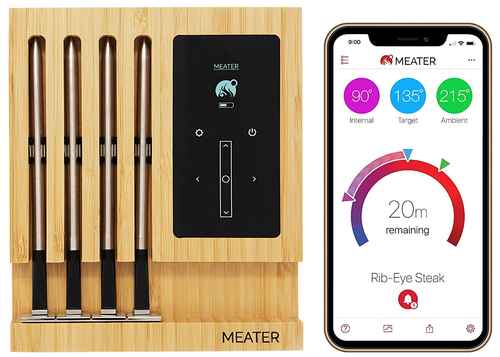
Unlike oven baking, slow-cooker cakes rarely develop a firm crust or a golden top, so you need other ways to determine doneness. The most reliable method is the toothpick or skewer test: insert a clean toothpick into the center of the cake. If it comes out clean or with just a few moist crumbs, the cake is ready. Another indicator is the firmness of the cake surface-gently press the top; it should spring back slightly. Avoid relying solely on cooking time because the slow cooker’s temperature can vary, especially with older models. Additionally, the cake will often start to slightly pull away from the sides of the slow cooker when it’s done, giving you a subtle visual cue.
Ingredients Needed
While you can adapt many traditional cake recipes, the following is a typical list for a slow-cooker cake:
- Flour: All-purpose flour is standard, though cake flour can yield a softer texture.
- Sugar: Granulated sugar is common, but brown sugar or alternative sweeteners can add depth.
- Leavening agents: Baking powder or baking soda to give the cake lift.
- Eggs: Provide structure and moisture.
- Butter or oil: Fat keeps the cake tender and rich.
- Milk or buttermilk: Adds moisture and enhances flavor.
-
Flavorings: Vanilla extract, cocoa powder, or spices like cinnamon, depending on the cake type.
Optional extras include nuts, chocolate chips, fruit, or shredded coconut. The key is to maintain the proper balance of wet to dry ingredients, as slow-cooker cakes are less forgiving of overly wet batters.
How To Make Cake In Slow Cooker
- Prepare the Slow Cooker: Grease the pot thoroughly with butter or nonstick spray. Line the bottom with parchment paper if you want an easier release.
- Mix the Batter: Combine dry ingredients in one bowl, wet ingredients in another, then fold together until smooth. Avoid overmixing to prevent a dense cake.
- Pour and Level: Transfer the batter into the slow cooker, smoothing the top with a spatula for even cooking.
- Cook: Cover with the lid and cook on low heat for the recommended time (usually 2-3 hours). Avoid opening the lid too frequently, as heat escapes and can extend cooking time.
- Check Doneness: Use the toothpick test or gently press the top to confirm.
- Cool and Serve: Let the cake sit for 10-15 minutes before removing. Use a spatula around the edges to release it if needed.
When Things Go Wrong
Even with a slow cooker, mishaps can occur:
- Cake is undercooked in the middle: This usually happens if the cooker is too full or the lid is lifted too often. Simply continue cooking in 10-15 minute increments.
- Cake is too wet or dense: Could be caused by overmixing, too much liquid, or incorrect leavening. Adjust the recipe next time and make sure to measure accurately.
- Burnt edges: Often due to a smaller slow cooker or a higher heat setting. Grease well and consider using parchment to prevent sticking.
- Uneven cooking: Check that the cooker is on a level surface and that the batter is spread evenly.
Expert Tips
- Use low heat, always: Slow cookers vary in temperature, but low heat ensures even cooking.
- Avoid lifting the lid: Every time you lift it, you lose precious heat, which can extend cooking time.
- Grease and line the pot: Essential to prevent sticking.
- Consider a water bath: For extra moistness, place a small dish of water beside the cake to maintain humidity.
- Rotate or stir carefully: Only for recipes that allow it; generally, slow cooker cakes shouldn’t be stirred mid-cook.
Can I Do This Without A Slow Cooker?
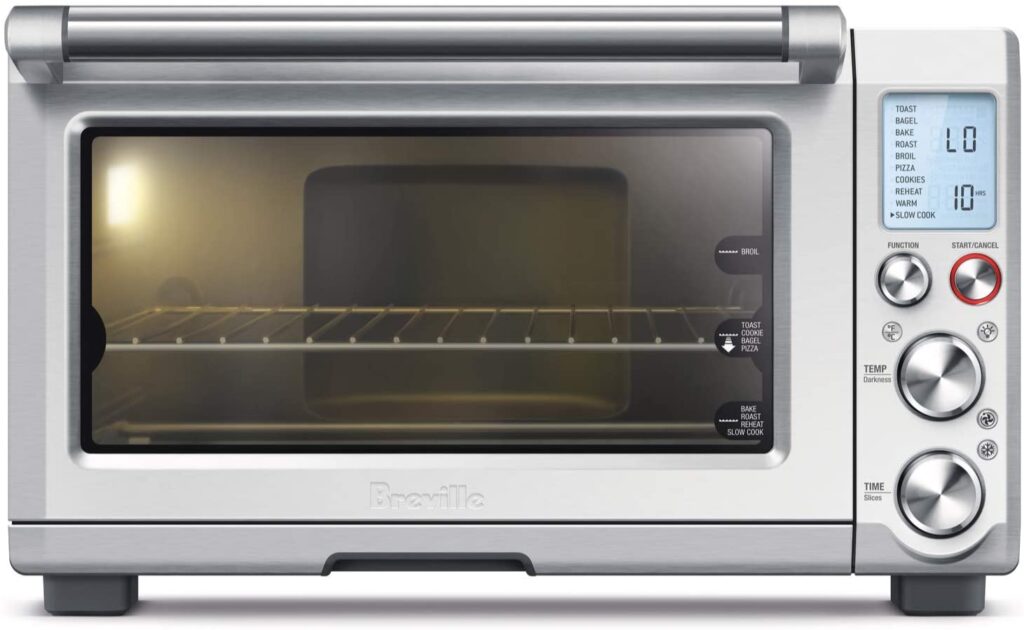
Yes, most slow-cooker cake recipes can be adapted for oven baking. Use a similar-sized cake pan and bake at 325°F (160°C). Cooking times will be shorter-generally 30-50 minutes-but the texture may be slightly different, lacking the slow-cooker’s gentle, evenly-moist finish. A double boiler or a tightly covered Dutch oven can mimic the slow cooker’s low-and-slow environment if you want the same texture.
Reheating Leftovers In Slow Cooker
If you have leftover cake, you can gently reheat it in the slow cooker to maintain moisture. Wrap individual slices in foil or place the cake in a heat-safe dish, then set the slow cooker to warm for 30-60 minutes. This prevents drying out while reviving that freshly-baked feel. Avoid cooking on high, as it can toughen the texture.
FAQs
Can I Use A Regular Cake Recipe In A Slow Cooker?
Yes, most regular cake recipes can be adapted for a slow cooker, but you may need to adjust the cooking time and reduce the amount of liquid slightly to prevent the cake from becoming too dense or soggy.
What Type Of Slow Cooker Is Best For Baking Cake?
A slow cooker with a removable ceramic insert works best, as it allows for even heat distribution and easy removal of the cake. A 4-6 quart slow cooker is ideal for most standard cake recipes.
Do I Need To Grease The Slow Cooker Before Adding The Batter?
Yes, it is important to grease the insert with butter or non-stick spray and, optionally, line it with parchment paper to ensure the cake releases easily after baking.
Should I Cover The Cake While It Cooks In The Slow Cooker?
Yes, covering the cake with the lid is essential to trap moisture and heat. Avoid opening the lid frequently, as this can cause uneven cooking and a dense texture.
How Long Does It Take To Bake A Cake In A Slow Cooker?
Cooking times vary depending on the recipe and slow cooker, but most cakes take 1.5 to 3 hours on the low setting. Check for doneness by inserting a toothpick in the center; it should come out clean.
Can I Use A Mix For Making Slow Cooker Cakes?
Yes, cake mixes work well in a slow cooker. Simply follow the instructions on the box, slightly reduce liquid if needed, and extend the cooking time as slow cookers bake more gently than an oven.
How Do I Prevent The Cake From Burning At The Edges?
Use a slow cooker liner, a greased insert, or a piece of parchment paper along the sides to prevent burning. Avoid using high heat settings unless specified by the recipe.
Can I Make A Layered Cake In A Slow Cooker?
Layered cakes are possible, but challenging. It is better to make a single thick cake and slice it horizontally to create layers after baking, then stack with frosting or filling.
Do I Need To Adjust Ingredients When Baking In A Slow Cooker?
Sometimes. Cakes in a slow cooker can retain more moisture, so reducing liquid slightly and avoiding overly wet ingredients like fresh fruit in large amounts can prevent soggy results.
How Should I Store A Slow Cooker Cake After Baking?
Allow the cake to cool completely in the insert or on a cooling rack, then store it in an airtight container at room temperature for up to 3 days or in the refrigerator for up to a week.