
How To Cook Brisket Joint In Slow Cooker [GUIDE]
Few dishes embody comfort and flavor as much as a slow-cooked brisket joint. Brisket, a cut from the lower chest of beef, is known for its rich, deep flavor and the tenderness it achieves when cooked slowly over hours. However, without proper technique, it can become tough or dry, which is why slow cooking is ideal. A slow cooker allows the brisket to cook gently, letting the connective tissues break down while keeping the meat moist and juicy. Whether you’re preparing it for a family dinner, a special occasion, or a hearty weeknight meal, mastering brisket in a slow cooker ensures a melt-in-the-mouth experience, infused with your choice of seasonings, herbs, and sauces.
Contents
- 1 How Long To Cook Brisket Joint In Slow Cooker
- 2 How To Tell If It Is Done
- 3 Ingredients Needed
- 4 How To Cook Brisket Joint In Slow Cooker
- 5 When Things Go Wrong
- 6 Expert Tips
- 7 Can I Do This Without A Slow Cooker?
- 8 Reheating Leftovers In Slow Cooker
- 9 FAQs
- 9.1 What Is The Best Type Of Brisket To Use In A Slow Cooker?
- 9.2 Do I Need To Sear The Brisket Before Putting It In The Slow Cooker?
- 9.3 How Much Liquid Should I Add To A Slow Cooker When Cooking Brisket?
- 9.4 What Is The Ideal Cooking Temperature And Time For A Brisket In A Slow Cooker?
- 9.5 Can I Cook Frozen Brisket In A Slow Cooker?
- 9.6 How Do I Know When The Brisket Is Done?
- 9.7 Can I Add Vegetables To The Slow Cooker With The Brisket?
- 9.8 How Should I Store Leftover Brisket?
- 9.9 Can I Use The Cooking Liquid To Make A Sauce?
- 9.10 Should I Rest The Brisket Before Slicing?
How Long To Cook Brisket Joint In Slow Cooker
Cooking time is crucial to achieving that tender, succulent texture. A brisket joint typically weighs between 2 to 4 pounds, and the cooking time will vary depending on size and the temperature setting of your slow cooker.
- Low Setting: 8-10 hours. Cooking on low allows the meat fibers to break down slowly, resulting in an exceptionally tender brisket.
- High Setting: 4-6 hours. This is suitable if you are short on time, though there is a slightly higher risk of the meat drying out if you’re not careful.
It’s important not to rush the process. The key to a perfect brisket is slow, even cooking-so patience truly pays off.
How To Tell If It Is Done
Brisket is done when it is fork-tender and easily pulls apart. Here are some indicators:
- Texture: Insert a fork into the thickest part of the brisket. If it slides in with little resistance and the meat shreds effortlessly, it’s ready.
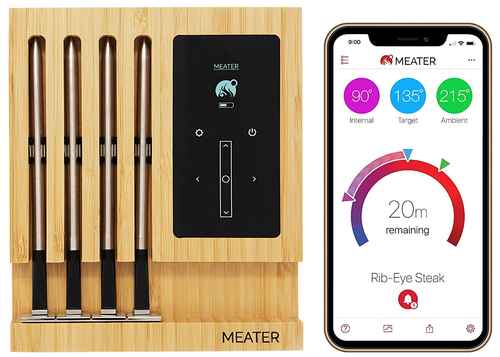
- Internal Temperature: For safety and optimal tenderness, the internal temperature should reach 195-205°F (90-96°C). While 160-170°F is technically safe, the meat will still be tough.
- Appearance: The meat should have a deep, rich color and appear moist. A well-cooked brisket may shrink slightly and develop a glossy sheen if braised in juices.
Ingredients Needed
A simple yet flavorful brisket requires a few basic ingredients, which you can customize according to taste:
- Brisket joint: 2-4 pounds
- Salt and black pepper: To season the meat generously
- Garlic: 4-5 cloves, minced or whole
- Onion: 1 large, sliced
- Beef stock or broth: 1-2 cups, to provide moisture and flavor
- Optional aromatics: Carrots, celery, bay leaves, rosemary, thyme
- Liquid for braising: Barbecue sauce, red wine, or a mixture of vinegar and Worcestershire sauce for depth
- Oil or butter: For searing (optional but recommended)
These ingredients create a flavorful cooking environment that complements the brisket without overpowering it.
How To Cook Brisket Joint In Slow Cooker
- Season and Sear (Optional but Recommended): Rub the brisket with salt, pepper, and garlic. Heat oil in a pan and sear the brisket on all sides until browned. This step adds depth and caramelization to the meat.
- Prepare the Slow Cooker: Lay the sliced onions, garlic, and optional vegetables in the base. This acts as a flavor bed for the brisket.
- Add Liquids: Pour in beef stock or your chosen braising liquid. The liquid should come about halfway up the brisket but not fully cover it.
- Place Brisket: Set the seared brisket on top of the vegetables. Add herbs and aromatics as desired.
- Cook: Cover and set the slow cooker to low for 8-10 hours, or high for 4-6 hours. Resist lifting the lid frequently, as this releases heat and prolongs cooking.
- Rest: Once done, remove the brisket and let it rest for 10-15 minutes before slicing. Slice against the grain for maximum tenderness.
When Things Go Wrong
Even slow cookers aren’t foolproof. Here are common issues and fixes:
- Dry Brisket: Likely cooked at too high a temperature or for too long. Next time, cook low and slow, and ensure adequate braising liquid.
- Tough Brisket: Undercooked connective tissue. Extend cooking time, and check internal temperature. Brisket often benefits from an extra hour on low.
- Lack of Flavor: This usually results from insufficient seasoning or liquid. Sear the brisket beforehand and add flavorful aromatics or sauces.
Expert Tips
- Sear first: Even though optional, browning the brisket enhances flavor.
- Don’t over-stir: Keep the lid on and resist frequent stirring; you want gentle, consistent heat.
- Use the right cut: Flat cut brisket is leaner; point cut is fattier and more forgiving.
- Rest before slicing: This locks in juices.
- Customize liquid: Experiment with coffee, beer, or wine for nuanced flavors.
Can I Do This Without A Slow Cooker?
Absolutely. Brisket can be slow-cooked in the oven or on a stovetop:
- Oven: Wrap the brisket in foil or a Dutch oven and cook at 275°F (135°C) for 3-4 hours per pound.
- Stovetop: Use a heavy pot with a lid, keep the heat low, and simmer gently for several hours.
The key principles-low, slow, and moist-remain the same.
Reheating Leftovers In Slow Cooker
Reheating brisket in a slow cooker preserves its tenderness:
- Slice the brisket if not already done.
- Add a little broth or leftover cooking juices.
- Heat on low for 1-2 hours, checking occasionally. Avoid high heat, which can dry the meat.
This method maintains moisture and prevents the brisket from becoming rubbery.
FAQs
What Is The Best Type Of Brisket To Use In A Slow Cooker?
The best type of brisket for slow cooking is a whole packer brisket or a flat cut brisket. The flat cut is leaner and easier to slice, while the point cut has more fat, which helps keep the meat moist and flavorful during long cooking.
Do I Need To Sear The Brisket Before Putting It In The Slow Cooker?
Searing the brisket is optional but highly recommended. Browning the meat on all sides before slow cooking enhances flavor through the Maillard reaction and helps lock in juices, giving the finished brisket a richer taste.
How Much Liquid Should I Add To A Slow Cooker When Cooking Brisket?
Add enough liquid to cover about one-third of the brisket. Common liquids include beef broth, stock, wine, or a mixture with barbecue sauce. Too much liquid can dilute flavor, while too little may result in uneven cooking or drying.
What Is The Ideal Cooking Temperature And Time For A Brisket In A Slow Cooker?
Cook the brisket on low for 8-10 hours or on high for 4-6 hours. Slow cooking at a low temperature ensures the connective tissue breaks down gradually, resulting in tender, juicy meat.
Can I Cook Frozen Brisket In A Slow Cooker?
It is not recommended to cook frozen brisket in a slow cooker. Cooking from frozen increases the risk of uneven cooking and food safety issues. It’s best to thaw the brisket in the refrigerator before slow cooking.
How Do I Know When The Brisket Is Done?
The brisket is done when it is fork-tender and easily pulls apart. Internal temperature should reach about 195-205°F (90-96°C) for optimal tenderness. Avoid cutting too early, as the meat will be tough.
Can I Add Vegetables To The Slow Cooker With The Brisket?
Yes, vegetables such as carrots, potatoes, onions, and celery can be added. Place them beneath the brisket to allow juices to flavor the vegetables. Be mindful of cooking times; root vegetables work best as they hold up during long cooking.
How Should I Store Leftover Brisket?
Let the brisket cool to room temperature, then store in an airtight container in the refrigerator for up to 4 days. For longer storage, wrap tightly in foil or plastic wrap and freeze for up to 3 months.
Can I Use The Cooking Liquid To Make A Sauce?
Yes, the cooking liquid can be reduced on the stovetop or blended into a smooth sauce. Skim off excess fat first, then simmer the liquid with additional seasonings or cornstarch to thicken it into a flavorful gravy or barbecue sauce.
Should I Rest The Brisket Before Slicing?
Yes, let the brisket rest for at least 15-20 minutes after removing it from the slow cooker. Resting allows the juices to redistribute throughout the meat, making it more tender and easier to slice without losing moisture.