
How To Cook Ribs In Slow Cooker With BBQ Sauce [GUIDE]
Few culinary delights capture the essence of comfort food quite like tender, juicy ribs smothered in rich, smoky barbecue sauce. While grilling or oven-baking ribs can produce spectacular results, a slow cooker transforms the process into a virtually effortless experience, producing fall-off-the-bone tenderness with minimal hands-on time. The beauty of slow cooking lies in its ability to break down the connective tissue in meat slowly, infusing the ribs with flavor while preserving moisture. Coupled with a savory, tangy BBQ sauce, slow-cooked ribs are ideal for casual family dinners, gatherings, or even a solo indulgent treat. In this guide, we’ll explore everything you need to know to cook ribs in a slow cooker, troubleshoot common issues, and elevate your barbecue game, all while keeping the process approachable.
Contents
- 1 How Long To Cook Ribs In Slow Cooker With BBQ Sauce
- 2 How To Tell If It Is Done
- 3 Ingredients Needed
- 4 How To Cook Ribs In Slow Cooker With BBQ Sauce
- 5 When Things Go Wrong
- 6 Expert Tips
- 7 Can I Do This Without A Slow Cooker?
- 8 Reheating Leftovers In Slow Cooker
- 9 FAQs
- 9.1 What Type Of Ribs Are Best For Cooking In A Slow Cooker?
- 9.2 Do I Need To Remove The Membrane From The Ribs Before Cooking?
- 9.3 How Much BBQ Sauce Should I Use In The Slow Cooker?
- 9.4 Do I Need To Sear The Ribs Before Putting Them In The Slow Cooker?
- 9.5 What Is The Ideal Slow Cooker Setting And Cooking Time For Ribs?
- 9.6 Should I Add Liquid Besides BBQ Sauce?
- 9.7 Can I Cook Frozen Ribs In A Slow Cooker?
- 9.8 How Do I Get A Caramelized Crust On Slow Cooker Ribs?
- 9.9 How Can I Tell When The Ribs Are Done?
- 9.10 How Should I Store Leftover Ribs And Reheat Them?
How Long To Cook Ribs In Slow Cooker With BBQ Sauce
Cooking time is crucial for achieving perfectly tender ribs in a slow cooker. Typically, pork ribs require 4-6 hours on low or 2-3 hours on high. The exact timing depends on the rib cut (baby back vs. spare ribs) and the slow cooker’s heat settings, which can vary by brand. Low-and-slow cooking is generally recommended because it allows the collagen in the meat to break down gradually, producing moist, succulent ribs that practically fall apart under a fork. High settings are faster but can sometimes result in slightly less tender meat if the cooking window is too short. It’s also worth noting that ribs layered in sauce tend to cook more evenly because the liquid prevents them from drying out, but overcooking can cause the meat to become mushy.
How To Tell If It Is Done
Knowing when your ribs are perfectly cooked requires more than just looking at the clock. There are several indicators to check:
- Fork Test: Insert a fork between the bones. The meat should be tender and pull away easily without excessive resistance.
- Bone Exposure: The meat will often shrink slightly, revealing the ends of the bones. This is a classic visual cue of doneness.
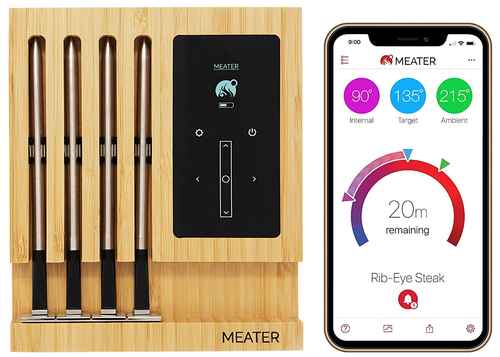
- Internal Temperature: For food safety, pork should reach 145°F (63°C), but slow-cooked ribs are usually taken further, around 190-203°F (88-95°C), to ensure the connective tissue has fully broken down.
- Texture and Flexibility: The ribs should bend slightly when lifted; a stiff rib indicates undercooking, while a falling-apart rib may have cooked too long.
Ingredients Needed
The beauty of slow-cooked ribs is that they require minimal ingredients, yet deliver maximum flavor. You’ll need:
- Ribs: Baby back or spare ribs, about 2-3 pounds
- Barbecue Sauce: 1-2 cups, depending on how saucy you like it
- Seasonings: Salt, black pepper, garlic powder, smoked paprika, onion powder, or any preferred dry rub
- Optional Additions: A splash of apple cider vinegar, honey, Worcestershire sauce, or liquid smoke for extra depth
The simplicity of ingredients allows the natural flavors of the meat to shine while the BBQ sauce infuses the ribs during cooking.
How To Cook Ribs In Slow Cooker With BBQ Sauce
- Prepare the Ribs: Remove the silver skin membrane from the back of the ribs. This thin layer can prevent seasonings from penetrating and cause toughness.
- Season: Rub the ribs generously with your choice of seasonings or dry rub.
- Layer in Slow Cooker: Coil the ribs into the slow cooker or cut them into sections that fit snugly. Pour the barbecue sauce evenly over the meat, ensuring each rib is coated.
- Cook: Cover and cook on low for 4-6 hours or high for 2-3 hours. Avoid lifting the lid too often, as this releases heat and can extend cooking time.
- Optional Finishing Step: For a caramelized exterior, broil the cooked ribs in the oven for 3-5 minutes, brushing extra BBQ sauce on top.
When Things Go Wrong
Even with the forgiving nature of slow cookers, mistakes can happen:
- Ribs Are Tough: Likely undercooked. Extend the cooking time in 30-60 minute increments until tender.
- Ribs Are Mushy: This usually indicates overcooking. Slow cookers vary in heat; next time, check earlier or use a higher temperature for shorter periods.
- Sauce Is Too Thin: Remove ribs once cooked and simmer the sauce in a pan until it thickens to your desired consistency.
- Ribs Stick Together: Rub with a little oil before cooking or slightly separate them in the slow cooker.
Expert Tips
- Membrane Removal: Always remove the silver skin for better flavor absorption.
- Layering: Place the meatiest side facing the heat source for even cooking.
- Flavor Boosters: Marinate ribs in the sauce for an hour before slow cooking.
- Resting: Let ribs rest for 10-15 minutes before slicing; this helps juices redistribute.
- Use Liquid Wisely: Adding a bit of water, broth, or apple juice prevents dryness, but avoid drowning the ribs.
Can I Do This Without A Slow Cooker?
Yes, ribs can be cooked using alternative methods:
- Oven: Wrap seasoned ribs in foil and bake at 300°F (150°C) for 2.5-3 hours. Finish under the broiler with BBQ sauce for caramelization.
- Pressure Cooker/Instant Pot: Cook on high pressure for 25-30 minutes with a cup of liquid, then broil for a crispy finish.
- Grill: Parboil or bake ribs first, then finish on a grill with sauce to develop a smoky crust.
Slow cookers, however, provide unmatched convenience and consistent tenderness.
Reheating Leftovers In Slow Cooker
Reheating in a slow cooker preserves moisture and flavor:
- Place leftover ribs in the slow cooker.
- Add a small amount of sauce or broth to prevent drying.
- Heat on low for 1-2 hours or until warmed through.
- Optionally, broil for a few minutes to regain a slightly caramelized exterior.
This method ensures leftovers remain succulent without drying out, unlike microwaving.
FAQs
What Type Of Ribs Are Best For Cooking In A Slow Cooker?
Pork ribs, particularly baby back ribs or St. Louis-style spare ribs, are ideal for slow cooking because they become tender and juicy with low, slow heat. Baby back ribs are leaner and cook faster, while St. Louis-style ribs are meatier and take a bit longer to become tender.
Do I Need To Remove The Membrane From The Ribs Before Cooking?
Yes, removing the thin membrane on the bone side of the ribs is recommended. It can be tough and chewy if left on, and removing it allows the BBQ sauce to penetrate the meat more effectively.
How Much BBQ Sauce Should I Use In The Slow Cooker?
Use enough BBQ sauce to generously coat the ribs, usually about 1 to 2 cups depending on the size of your slow cooker and rack of ribs. The sauce will help keep the ribs moist and infuse flavor during cooking.
Do I Need To Sear The Ribs Before Putting Them In The Slow Cooker?
Searing ribs is optional but recommended. Browning them in a hot skillet or under the broiler before slow cooking enhances flavor through caramelization, but the ribs will still be tender if you skip this step.
What Is The Ideal Slow Cooker Setting And Cooking Time For Ribs?
Cook ribs on low for 6-8 hours or on high for 3-4 hours. Low and slow cooking yields the most tender, fall-off-the-bone ribs, while high can work if you’re short on time but may slightly reduce tenderness.
Should I Add Liquid Besides BBQ Sauce?
Adding a small amount of liquid like water, broth, or apple juice can help create steam and keep the ribs moist. Typically, 1/4 to 1/2 cup is sufficient, especially if your BBQ sauce is thick.
Can I Cook Frozen Ribs In A Slow Cooker?
It is not recommended to cook frozen ribs in a slow cooker because they may remain in the temperature danger zone too long, which can promote bacterial growth. Thaw ribs fully in the refrigerator before slow cooking.
How Do I Get A Caramelized Crust On Slow Cooker Ribs?
After slow cooking, transfer the ribs to a baking sheet and brush with additional BBQ sauce. Broil in the oven for 3-5 minutes or grill briefly to caramelize the sauce and develop a flavorful crust.
How Can I Tell When The Ribs Are Done?
Ribs are done when they are tender enough to pull apart with a fork but still hold together. The internal temperature should reach at least 190-203°F (88-95°C) for optimal tenderness and easy shredding.
How Should I Store Leftover Ribs And Reheat Them?
Store leftover ribs in an airtight container in the refrigerator for up to 3-4 days. To reheat, wrap them in foil and warm in the oven at 300°F (150°C) for 15-20 minutes, or microwave in short intervals until heated through.