
How To Make Duck Confit In Slow Cooker [GUIDE]
Duck confit is a culinary treasure, renowned for its rich, velvety texture and deep, savory flavor. Originating in France, traditional duck confit is a labor-intensive process, requiring slow-cooking duck legs in their own fat for hours. The result is meat that is incredibly tender, almost melting off the bone, with a crispy, golden exterior if finished properly. For many, the time and technique required to make authentic duck confit can seem daunting. However, modern kitchen tools, particularly the slow cooker, have made this classic dish accessible to home cooks without sacrificing its exquisite taste or texture. Slow cooking allows the duck to braise gently in its fat, producing a tender, flavorful dish while freeing you from constant attention. In this guide, we’ll explore every aspect of making duck confit in a slow cooker-from timing and preparation to troubleshooting, expert tips, and reheating leftovers.
Contents
- 1 How Long To Make Duck Confit In Slow Cooker
- 2 How To Tell If It Is Done
- 3 Ingredients Needed
- 4 How To Make Duck Confit In Slow Cooker
- 5 When Things Go Wrong
- 6 Expert Tips
- 7 Can I Do This Without A Slow Cooker?
- 8 Reheating Leftovers In Slow Cooker
- 9 FAQs
- 9.1 What Is Duck Confit And How Does It Differ From Other Duck Recipes?
- 9.2 Can I Use A Slow Cooker To Make Duck Confit?
- 9.3 What Type Of Duck Is Best For Confit In A Slow Cooker?
- 9.4 Do I Need To Cure The Duck Before Cooking It In A Slow Cooker?
- 9.5 How Much Duck Fat Should I Use In The Slow Cooker?
- 9.6 At What Temperature And For How Long Should I Cook Duck Confit In A Slow Cooker?
- 9.7 Can I Make Duck Confit Ahead Of Time And Store It?
- 9.8 Do I Need To Crisp The Duck Skin After Slow Cooking?
- 9.9 What Are Some Common Seasonings Used In Duck Confit?
- 9.10 Can I Cook Other Cuts Of Duck Or Poultry Using The Slow Cooker Confit Method?
How Long To Make Duck Confit In Slow Cooker
Slow cooking is all about low, consistent heat over time. For duck confit, the typical slow cooker method requires 6 to 8 hours on low heat. Some cooks prefer 5 to 6 hours if using smaller duck legs or if their slow cooker runs hotter than average. The key is ensuring the duck is fully submerged in fat and that the internal temperature reaches a point where the meat becomes tender and easily pulls away from the bone.
Unlike roasting or stovetop confit, the slow cooker offers gentle heat distribution, preventing the duck from drying out or overcooking. Many recipes also allow for a slightly longer cook time-up to 10 hours on very low heat-which can enhance tenderness further, making the meat almost buttery in texture.
How To Tell If It Is Done
Determining doneness goes beyond simply checking the clock. For duck confit:
- Tenderness: The meat should feel incredibly soft. Use a fork to gently pull at the leg; it should almost fall off the bone without resistance.
- Color: The duck meat will turn a rich, deep golden-brown hue under the fat, though in a slow cooker the color will be more muted than oven-cooked confit.
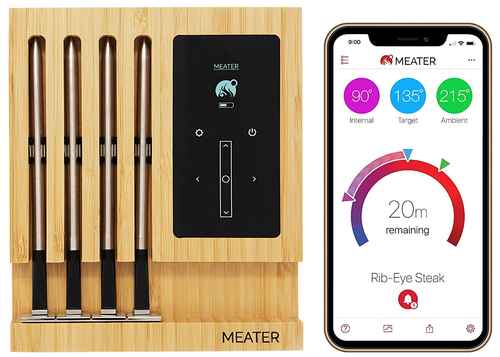
- Internal Temperature: While not strictly necessary, aiming for 165-175°F (74-79°C) internally ensures the meat is fully cooked.
- Juiciness: After removing a leg from the fat, the juices should be clear, not bloody.
If the duck still feels firm or resists the fork, it needs more cooking. Patience is essential; slow cooking is about allowing the fat to gently break down the muscle fibers.
Ingredients Needed
To create a rich and authentic duck confit, you’ll need a handful of ingredients that are simple but impactful:
- Duck legs: 2-4, skin-on and bone-in
- Kosher salt: 2-3 tablespoons for seasoning
- Fresh herbs: Thyme, rosemary, and bay leaves for aromatic depth
- Garlic: 4-6 cloves, smashed
- Black pepper: Freshly ground, to taste
- Duck fat: Enough to fully submerge the legs, typically 2-3 cups per 2 legs
- Optional: Juniper berries, cloves, or orange zest for nuanced flavor
The magic of duck confit lies in its simplicity-the long, slow cooking in fat develops layers of flavor without needing complex seasoning.
How To Make Duck Confit In Slow Cooker
-
Cure The Duck
Rub the duck legs generously with kosher salt, black pepper, and fresh herbs. Place in a container, cover, and refrigerate for 12-24 hours. This step intensifies flavor and firms up the meat.
-
Prepare For Slow Cooking
Rinse off excess salt and pat the legs dry thoroughly. This prevents the confit from being overly salty.
-
Layer In Slow Cooker
Place garlic, herbs, and optional spices at the bottom of the slow cooker. Nestle duck legs on top, skin-side up. Pour melted duck fat over the legs until fully submerged.
-
Cook Low And Slow
Set your slow cooker to low and cook for 6-8 hours. Check occasionally to ensure legs remain submerged and adjust temperature if necessary.
-
Finish (Optional But Recommended)
For the classic crisp skin, carefully remove the duck legs from the fat, pat dry, and sear in a hot skillet for 3-5 minutes per side until golden and crispy.
When Things Go Wrong
Even with slow cooking, issues can arise:
- Rubbery texture: Often due to undercooking; the collagen hasn’t fully broken down. Extend cooking time by 1-2 hours.
- Overly salty: Usually from skipping the rinse after curing. Always rinse and dry duck before cooking.
- Fat not fully covering duck: Meat may dry out; ensure legs are completely submerged in fat.
- Skin not crispy: The slow cooker does not brown skin; a quick skillet sear post-cooking remedies this perfectly.
Expert Tips
- Cure in advance: A longer cure (24 hours) enhances flavor dramatically.
- Use high-quality duck fat: It makes a subtle but significant difference in taste.
- Low and slow is key: Resist the temptation to speed up the process; high heat will toughen the meat.
- Reserve fat: Strain leftover fat and store for future use-it’s perfect for roasting potatoes or vegetables.
- Layer aromatics: Herbs, garlic, and spices should touch the duck for maximum infusion.
Can I Do This Without A Slow Cooker?
Absolutely. Alternatives include:
- Oven method: Cook duck legs at 200°F (93°C) in a deep ovenproof dish with fat, covered, for 3-4 hours. Finish under broiler for crispy skin.
- Stovetop method: Simmer gently in a heavy-bottomed pot with fat on very low heat. Watch carefully to prevent scorching.
Slow cookers simplify the process and reduce monitoring, but traditional methods remain viable and often slightly faster.
Reheating Leftovers In Slow Cooker
Reheating duck confit can be tricky; overheating can dry out the meat. A slow cooker method is perfect:
- Transfer duck legs to the slow cooker, covering lightly with reserved fat or broth.
- Heat on low for 1-2 hours, until warmed through.
- For crispy skin, sear briefly in a skillet just before serving.
This ensures leftovers stay tender and flavorful without overcooking.
FAQs
What Is Duck Confit And How Does It Differ From Other Duck Recipes?
Duck confit is a classic French preparation where duck legs are slowly cooked in their own fat until tender and flavorful. Unlike roasted or pan-seared duck, confit is cooked at low temperatures for a long time, which results in a rich, melt-in-your-mouth texture and preserves the meat for longer periods.
Can I Use A Slow Cooker To Make Duck Confit?
Yes, a slow cooker is an excellent alternative to traditional oven confit methods. It allows for low and even cooking over several hours, ensuring the duck becomes tender without the need for constant attention.
What Type Of Duck Is Best For Confit In A Slow Cooker?
Duck legs, specifically from Muscovy or Pekin ducks, are preferred due to their higher fat content. The legs are ideal because they withstand slow cooking well, becoming succulent while maintaining structure.
Do I Need To Cure The Duck Before Cooking It In A Slow Cooker?
Yes, curing the duck with salt, herbs, and sometimes garlic is recommended for at least 12-24 hours. This step enhances flavor, tenderizes the meat, and helps preserve it. After curing, the duck should be rinsed and dried before cooking.
How Much Duck Fat Should I Use In The Slow Cooker?
The duck legs should be fully submerged in fat to ensure even cooking. Generally, 2-3 cups of duck fat are sufficient for two to four legs. If necessary, additional neutral oil can be added to cover the duck completely.
At What Temperature And For How Long Should I Cook Duck Confit In A Slow Cooker?
Cook the duck on the low setting, typically around 175-200°F (80-95°C), for 6-8 hours. The meat should be very tender and easily pull away from the bone when done.
Can I Make Duck Confit Ahead Of Time And Store It?
Yes, duck confit can be stored in its fat in the refrigerator for up to one month. For longer storage, it can be frozen for several months. The fat acts as a natural preservative, keeping the meat flavorful and moist.
Do I Need To Crisp The Duck Skin After Slow Cooking?
Yes, while the slow cooker renders the meat tender, the skin remains soft. To achieve crispy skin, sear the cooked duck legs in a hot skillet or under a broiler for a few minutes before serving.
What Are Some Common Seasonings Used In Duck Confit?
Traditional seasonings include salt, black pepper, garlic, thyme, bay leaves, and sometimes juniper berries. These herbs and spices are often used during the curing process and help impart a deep, aromatic flavor to the meat.
Can I Cook Other Cuts Of Duck Or Poultry Using The Slow Cooker Confit Method?
While duck legs are ideal, other fatty cuts like duck thighs or chicken legs can also be cooked using a slow cooker confit method. However, leaner cuts may require additional fat to prevent drying out and may not achieve the same rich texture as traditional duck confit.