How To Cook Prime Rib Roast In Slow Cooker [GUIDE]
Prime rib roast is often considered the crown jewel of beef cuts-a succulent, marbled, and deeply flavorful cut that exudes luxury with every bite. Traditionally, this dish is associated with special occasions, festive dinners, or holidays because of its rich taste and striking presentation. However, cooking a prime rib can feel intimidating, especially when trying to achieve the perfect medium-rare interior while keeping the crust golden and flavorful.
Enter the slow cooker-a kitchen marvel that transforms the art of prime rib preparation from high-pressure oven roasting to a set-it-and-forget-it culinary adventure. Using a slow cooker allows the meat to cook gently, ensuring tenderness that almost melts in your mouth while preserving its juicy essence. This method also minimizes the risk of overcooking, which can happen in traditional oven roasting. Beyond convenience, slow cooking infuses flavors deeply and evenly, making every bite an indulgent experience.
Contents
- 1 How Long To Cook Prime Rib Roast In Slow Cooker
- 2 How To Tell If It Is Done
- 3 Ingredients Needed
- 4 How To Cook Prime Rib Roast In Slow Cooker
- 5 When Things Go Wrong
- 6 Expert Tips
- 7 Can I Do This Without A Slow Cooker?
- 8 Reheating Leftovers In Slow Cooker
- 9 FAQs
- 9.1 What Is The Best Size Of Prime Rib Roast For A Slow Cooker?
- 9.2 Do I Need To Sear The Prime Rib Before Slow Cooking?
- 9.3 What Seasonings Work Best For A Slow-cooked Prime Rib?
- 9.4 How Long Should I Cook A Prime Rib Roast In A Slow Cooker?
- 9.5 What Internal Temperature Should I Aim For?
- 9.6 Should I Add Liquid To The Slow Cooker?
- 9.7 How Do I Prevent The Prime Rib From Drying Out?
- 9.8 Can I Cook A Frozen Prime Rib In A Slow Cooker?
- 9.9 Can I Use The Slow Cooker To Make A Gravy Or Au Jus?
- 9.10 How Should I Slice And Serve Slow-cooked Prime Rib?
How Long To Cook Prime Rib Roast In Slow Cooker
Cooking times for prime rib in a slow cooker vary based on the weight of the roast and the desired doneness. Unlike the high heat of an oven, slow cooking relies on low, sustained temperatures to break down connective tissue while keeping the meat tender.
-
For A 3-4 Lb Roast
- Low setting: 4-6 hours
- High setting: 2.5-3.5 hours
-
For A 5-6 Lb Roast
- Low setting: 6-8 hours
- High setting: 3.5-4.5 hours
-
For A 7-8 Lb Roast
- Low setting: 8-10 hours
- High setting: 4.5-5.5 hours
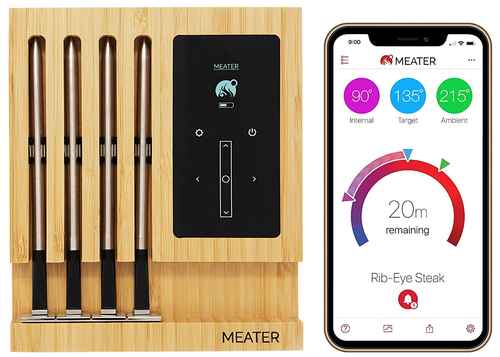
It’s crucial to remember that slow cookers vary in heat distribution. Using a meat thermometer is essential for precision, as relying solely on time can lead to undercooked or overcooked meat.
How To Tell If It Is Done
The best way to confirm doneness is with an instant-read meat thermometer, as visual cues alone are unreliable. The internal temperature guidelines for prime rib are:
- Rare: 120-125°F (49-52°C)
- Medium-rare: 130-135°F (54-57°C)
- Medium: 140-145°F (60-63°C)
- Medium-well: 150-155°F (66-68°C)
- Well done: 160°F+ (71°C+)
Insert the thermometer into the thickest part of the roast, avoiding bones or fat pockets, for an accurate reading. Keep in mind that the meat continues to cook slightly after being removed from the slow cooker due to residual heat, so it’s wise to pull it a few degrees before the target temperature.
Ingredients Needed
To prepare a perfectly tender and flavorful prime rib in a slow cooker, gather the following ingredients:
- Prime rib roast: 3-8 lbs, preferably bone-in for added flavor
- Kosher salt and black pepper: generous amounts to season the meat
- Garlic cloves: 4-6, minced or smashed
- Fresh herbs: rosemary, thyme, and sage are ideal
- Olive oil or butter: 2-3 tablespoons for searing
- Onions and carrots: optional, for a flavorful bed and natural juices
- Beef broth or red wine: 1 cup, for moisture and depth
- Optional seasonings: smoked paprika, onion powder, or Dijon mustard for extra flavor complexity
How To Cook Prime Rib Roast In Slow Cooker
- Seasoning the Roast: Begin by rubbing the prime rib with olive oil or softened butter. Liberally season with salt, pepper, minced garlic, and your chosen herbs. For maximum flavor infusion, let it marinate in the refrigerator for 2-12 hours.
- Searing (Optional but Recommended): Heat a skillet over medium-high heat and sear all sides of the roast until a golden-brown crust forms. This step locks in juices and adds a rich, roasted flavor.
- Preparing the Slow Cooker: Place a layer of chopped onions and carrots at the bottom. Pour in 1 cup of beef broth or red wine for moisture. Position the roast on top, fat side up, so that the melting fat bastes the meat as it cooks.
- Slow Cooking: Cover and cook on low or high according to the weight and desired doneness. Avoid lifting the lid unnecessarily, as slow cookers retain heat and moisture more effectively when undisturbed.
- Resting: After cooking, remove the roast and let it rest under foil for 15-20 minutes. This allows the juices to redistribute, ensuring each slice is tender and juicy.
When Things Go Wrong
Even experienced cooks face slow cooker challenges:
- Overcooked or dry meat: Often due to cooking on high for too long. Remedy by slicing the roast thinner and serving with a rich sauce or au jus.
- Undercooked interior: Extend the slow cooking time by 30-60 minutes, then check with a thermometer again.
- Flavorless roast: Make sure to season generously and use aromatics like garlic, onions, and herbs. Adding a splash of broth or wine mid-cooking can enhance depth.
- Soggy exterior: To develop a crust post-slow cooking, briefly broil the roast in an oven for 5-7 minutes.
Expert Tips
- Use a thermometer religiously: It’s the single most reliable tool for perfect prime rib.
- Bone-in vs. boneless: Bones provide flavor and act as insulation, promoting even cooking.
- Layering aromatics: Onions, carrots, and herbs under the roast amplify flavor.
- Basting: Occasionally spoon juices over the top to maintain moisture, but avoid removing the lid too often.
- Finishing touch: A quick sear or broil at the end creates an appealing crust without overcooking the interior.
Can I Do This Without A Slow Cooker?
Yes. If you don’t have a slow cooker, a similar result can be achieved using an oven with low and slow roasting:
- Preheat oven to 225-250°F (107-121°C).
- Place the seasoned roast on a rack over a roasting pan.
- Roast until the internal temperature reaches your desired doneness (usually 20-25 minutes per pound for medium-rare).
- Optional: Broil for 5-10 minutes at the end to develop a crust.
The oven method mimics the slow cooker’s low-temperature effect, though it requires more attention to temperature and timing.
Reheating Leftovers In Slow Cooker
Leftover prime rib retains its quality when reheated gently:
- Slice the meat into even portions to ensure uniform heating.
- Place in the slow cooker with a splash of beef broth or au jus to prevent drying.
- Cover and heat on low for 1-2 hours, or until warmed through.
- Avoid high heat, which can overcook the slices and dry them out.
FAQs
What Is The Best Size Of Prime Rib Roast For A Slow Cooker?
A 3 to 5-pound prime rib roast is ideal for most standard slow cookers. Larger roasts may not fit, and smaller roasts may cook too quickly and dry out. Always measure your slow cooker’s insert before purchasing the roast.
Do I Need To Sear The Prime Rib Before Slow Cooking?
Searing the roast is optional but recommended. Browning the meat in a hot skillet or under a broiler for 3-5 minutes per side enhances flavor and creates a richer crust. Slow cooking alone will not produce a seared exterior.
What Seasonings Work Best For A Slow-cooked Prime Rib?
Classic seasonings include salt, black pepper, garlic powder, onion powder, and fresh herbs like rosemary and thyme. You can also rub the roast with olive oil or mustard before applying dry seasonings to enhance flavor adhesion.
How Long Should I Cook A Prime Rib Roast In A Slow Cooker?
Cooking times vary based on roast size and desired doneness. As a general guide, cook on LOW for 6 to 8 hours for medium-rare doneness for a 3 to 5-pound roast. Use a meat thermometer to ensure proper internal temperature.
What Internal Temperature Should I Aim For?
For medium-rare, remove the roast when it reaches 125-130°F (52-54°C), as it will continue to cook slightly while resting. For medium, aim for 135°F (57°C) before resting. Always let the meat rest for at least 15 minutes before slicing.
Should I Add Liquid To The Slow Cooker?
Yes, adding 1/2 to 1 cup of beef broth, red wine, or a combination helps maintain moisture and creates a base for au jus. The liquid should not cover the roast entirely, as slow cooking relies on steam and slow heat to cook evenly.
How Do I Prevent The Prime Rib From Drying Out?
Cook on the LOW setting to maintain gentle heat, add liquid to the slow cooker, and avoid removing the lid frequently. Searing before cooking and wrapping the roast in foil during the resting period also help retain juices.
Can I Cook A Frozen Prime Rib In A Slow Cooker?
It is not recommended to cook a frozen prime rib directly in a slow cooker, as the exterior may overcook before the interior reaches a safe temperature. Always thaw the roast completely in the refrigerator first.
Can I Use The Slow Cooker To Make A Gravy Or Au Jus?
Yes. After removing the roast, pour the cooking liquid into a saucepan. Skim off excess fat and reduce it over medium heat. You can add flour or cornstarch slurry for a thicker gravy or serve as a natural au jus with minimal modification.
How Should I Slice And Serve Slow-cooked Prime Rib?
After resting, slice against the grain into 1/2-inch to 1-inch thick slices for optimal tenderness. Serve immediately with your choice of sides, and use the slow cooker juices as a complementary sauce for added flavor.