How To Cook Rib Roast In Slow Cooker [GUIDE]
A rib roast, often referred to as prime rib, is one of the most celebrated cuts of beef, prized for its marbling, tenderness, and rich, beefy flavor. Traditionally reserved for holiday feasts or special occasions, this cut can sometimes feel intimidating to prepare. However, using a slow cooker transforms the process into a simple, low-effort endeavor, producing a roast that is succulent, tender, and imbued with deep, savory flavor. Unlike oven roasting, which requires careful temperature monitoring and frequent basting, the slow cooker allows the meat to cook evenly and gently, ensuring every slice melts in your mouth. With the right technique, your rib roast can achieve a perfect crust, a rosy interior, and a flavor profile that rivals even the finest restaurants-all without standing over a hot oven for hours.
Contents
- 1 How Long To Cook Rib Roast In Slow Cooker
- 2 How To Tell If It Is Done
- 3 Ingredients Needed
- 4 How To Cook Rib Roast In Slow Cooker
- 5 When Things Go Wrong
- 6 Expert Tips
- 7 Can I Do This Without A Slow Cooker?
- 8 Reheating Leftovers In Slow Cooker
- 9 FAQs
- 9.1 What Size Rib Roast Should I Use For A Slow Cooker?
- 9.2 Do I Need To Sear The Rib Roast Before Slow Cooking?
- 9.3 What Seasonings Work Best For A Slow-cooked Rib Roast?
- 9.4 Should I Add Liquid To The Slow Cooker When Cooking Rib Roast?
- 9.5 What Temperature Setting Is Best For Slow Cooking Rib Roast?
- 9.6 How Do I Check If The Rib Roast Is Done In A Slow Cooker?
- 9.7 Can I Cook Vegetables With The Rib Roast In The Slow Cooker?
- 9.8 Should I Cover The Rib Roast While Slow Cooking?
- 9.9 Can I Make A Gravy From The Slow Cooker Drippings?
- 9.10 How Should I Rest The Rib Roast After Slow Cooking?
How Long To Cook Rib Roast In Slow Cooker
The cooking time for a rib roast in a slow cooker depends on several factors: the size of the roast, the desired doneness, and whether you are using the low or high setting. Generally:
- Low setting: 6-8 hours for a 4-6 pound roast
- High setting: 4-6 hours for a 4-6 pound roast
These are approximations; the true test of doneness comes from internal temperature rather than elapsed time. Larger roasts may require extra time, while smaller cuts will cook faster. Slow cooking is forgiving, but overcooking can dry out the meat. A good rule of thumb is to plan your timing based on when you want to serve and err slightly on the side of less time-you can always let the roast rest in the cooker for a short period if needed.
How To Tell If It Is Done
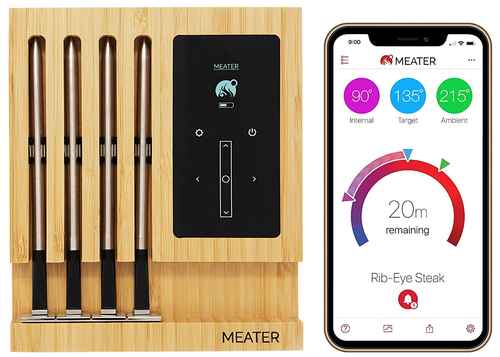
Determining doneness is crucial with a rib roast. The most reliable method is using a meat thermometer, inserted into the thickest part of the roast, avoiding bones. Ideal internal temperatures are:
- Rare: 120-125°F (49-52°C)
- Medium-rare: 130-135°F (54-57°C)
- Medium: 140-145°F (60-63°C)
- Medium-well: 150-155°F (66-68°C)
- Well-done: 160°F (71°C) and above
Remember, slow cooking allows residual heat to continue cooking the meat slightly even after removal from the heat source. Let the roast rest for at least 15-20 minutes after cooking; this lets juices redistribute, ensuring a moist and flavorful bite. A visual cue is also helpful: medium-rare roasts have a warm pink center, while the exterior remains deeply browned and caramelized.
Ingredients Needed
To prepare a slow-cooked rib roast, you’ll need simple yet high-quality ingredients that enhance the natural flavor of the beef:
- Rib roast (4-6 pounds, bone-in or boneless)
- Salt and black pepper (for seasoning)
- Garlic (4-6 cloves, minced or sliced)
- Fresh herbs: rosemary, thyme, and parsley
- Onions (1-2 large, sliced)
- Carrots and celery (optional, for a flavor base)
- Beef broth or stock (1-2 cups, to maintain moisture)
- Olive oil or butter (for searing)
Optional additions: Worcestershire sauce, Dijon mustard, or red wine can elevate the flavor profile.
How To Cook Rib Roast In Slow Cooker
- Prepare the roast: Remove the rib roast from the refrigerator at least 30 minutes before cooking to allow it to come to room temperature. This ensures more even cooking. Pat dry with paper towels.
- Season generously: Rub the roast with olive oil or softened butter. Season liberally with salt, pepper, minced garlic, and chopped fresh herbs.
- Sear the meat (optional but recommended): Heat a skillet over high heat and sear all sides of the roast until browned. This step enhances flavor through the Maillard reaction, creating a rich crust.
- Prepare the slow cooker: Place sliced onions, carrots, and celery at the bottom of the slow cooker. Pour in 1-2 cups of beef broth or stock.
- Cook low and slow: Place the roast on top of the vegetables. Cover and cook on low for 6-8 hours or on high for 4-6 hours, depending on the size and desired doneness.
- Check doneness: Use a meat thermometer to ensure proper internal temperature.
- Rest the roast: Once done, remove the roast, cover loosely with foil, and let rest 15-20 minutes before slicing.
When Things Go Wrong
Even with slow cooking, mishaps can happen:
- Dry meat: Often due to overcooking or insufficient fat content. Ensure you cook on low if possible and use a meat thermometer. A broth bath can help mitigate dryness.
- Undercooked center: Happens if the roast was too large for the cooking time. Simply cover and cook longer on low.
- Lack of flavor: Could result from under-seasoning or skipping searing. Searing caramelizes the meat’s surface and intensifies flavor.
Expert Tips
- Sear before slow cooking: This develops flavor and color.
- Use a rack: Elevating the roast prevents it from sitting directly in liquid, maintaining a crisp exterior.
- Herb butter: Spread a compound butter with garlic and herbs under the fat cap for extra richness.
- Check temperature early: Always check 30-60 minutes before the expected end time. Slow cookers vary in heat.
- Vegetable timing: Add delicate vegetables, like peas or asparagus, in the last hour to prevent overcooking.
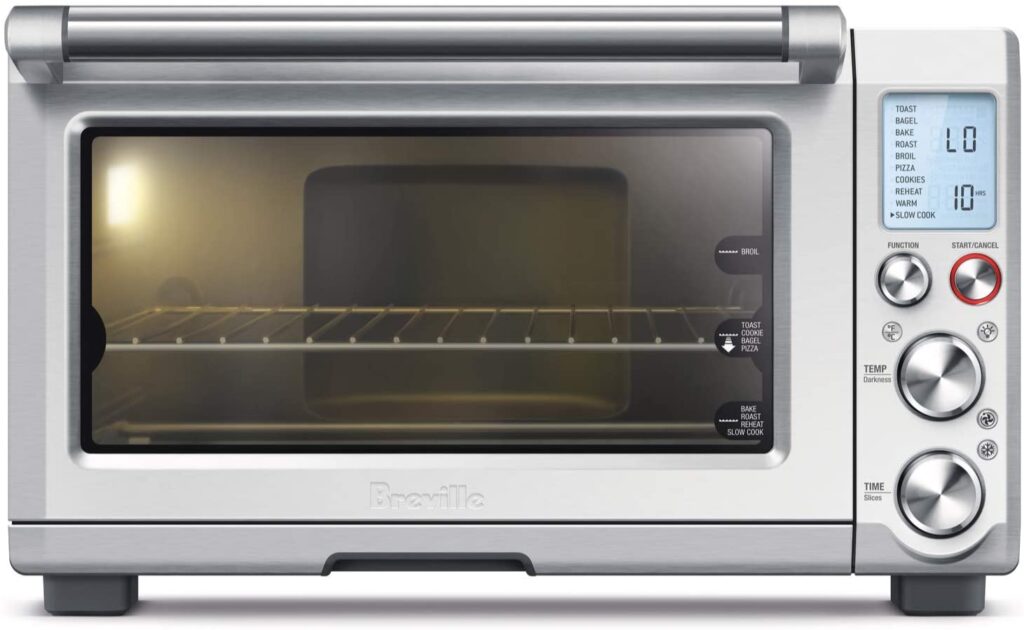
Can I Do This Without A Slow Cooker?
Absolutely. A conventional oven or Dutch oven can also yield excellent results:
- Oven: Roast at 275°F (135°C) for slow roasting, approximately 25-30 minutes per pound for medium-rare.
- Dutch oven: Sear on stovetop, then cover and bake in oven at 325°F (165°C) for 2-3 hours, basting occasionally.
The key is low, even heat and monitoring internal temperature.
Reheating Leftovers In Slow Cooker
Reheating a rib roast without drying it out is possible in the slow cooker:
- Slice the leftover roast.
- Place in the slow cooker with a splash of beef broth or au jus.
- Cover and reheat on low for 1-2 hours, checking occasionally.
This preserves moisture and tenderness, unlike microwaving, which can toughen the meat.
FAQs
What Size Rib Roast Should I Use For A Slow Cooker?
Choose a rib roast that fits comfortably in your slow cooker without touching the lid when closed. Typically, a 3 to 5-pound rib roast works well for standard slow cookers. Make sure there is some space around the meat to allow even cooking.
Do I Need To Sear The Rib Roast Before Slow Cooking?
Searing the rib roast before placing it in the slow cooker is optional but highly recommended. Searing in a hot pan for 2-3 minutes per side enhances flavor, locks in juices, and creates a rich, caramelized exterior.
What Seasonings Work Best For A Slow-cooked Rib Roast?
Classic seasonings include salt, black pepper, garlic, rosemary, and thyme. You can also add onion powder, paprika, or mustard powder for extra flavor. A simple rub of olive oil and your chosen herbs will help the seasoning adhere and infuse the meat.
Should I Add Liquid To The Slow Cooker When Cooking Rib Roast?
Yes, adding a small amount of liquid helps maintain moisture and prevents the roast from drying out. Common options include beef broth, red wine, or a mixture of both. Typically, ½ to 1 cup of liquid is sufficient for slow cookers.
What Temperature Setting Is Best For Slow Cooking Rib Roast?
Use the low setting for slow cooking rib roast, which usually takes 6 to 8 hours, depending on the roast size. The low setting allows the connective tissues to break down slowly, resulting in tender, juicy meat. The high setting can be used but may risk overcooking or drying the roast.
How Do I Check If The Rib Roast Is Done In A Slow Cooker?
Use a meat thermometer to ensure the roast reaches your desired doneness. For medium-rare, aim for 130-135°F (54-57°C); medium should be 140-145°F (60-63°C). Insert the thermometer into the thickest part of the roast without touching bone.
Can I Cook Vegetables With The Rib Roast In The Slow Cooker?
Yes, you can add root vegetables like carrots, potatoes, and onions. Place them at the bottom of the slow cooker under the roast so they absorb the drippings. Keep in mind that denser vegetables may take the full cooking time, while softer vegetables may overcook if added too early.
Should I Cover The Rib Roast While Slow Cooking?
Yes, always cover the slow cooker with its lid to retain heat and moisture. Lifting the lid frequently will increase cooking time and may dry out the roast. Only check the roast towards the end to avoid heat loss.
Can I Make A Gravy From The Slow Cooker Drippings?
Absolutely. Remove the rib roast and vegetables, then pour the remaining liquid into a saucepan. Thicken with a slurry of cornstarch and water, or reduce over medium heat until it reaches desired consistency. Adjust seasoning with salt, pepper, and herbs.
How Should I Rest The Rib Roast After Slow Cooking?
Rest the rib roast for at least 15-20 minutes before slicing. Resting allows the juices to redistribute, ensuring each slice is tender and moist. Cover loosely with aluminum foil to keep it warm during this period.