
How To Cook Chicken Breast Fillets In Slow Cooker [GUIDE]
Cooking chicken breast fillets in a slow cooker is one of the simplest and most rewarding ways to prepare a tender, flavorful meal with minimal effort. While chicken breasts are often criticized for being dry or bland when cooked incorrectly, the slow cooker excels at locking in moisture, allowing the meat to become juicy and succulent. This method is ideal for busy households, meal prepping, or anyone looking to enjoy a hearty, home-cooked dish without constant attention. The beauty of using a slow cooker lies in its set-and-forget convenience, giving you the freedom to focus on other tasks while it does all the hard work. In this guide, we’ll explore everything from cooking times and safety checks to troubleshooting and expert tips, ensuring your chicken breast fillets come out perfect every time.
Contents
- 1 How Long To Cook Chicken Breast Fillets In Slow Cooker
- 2 How To Tell If It Is Done
- 3 Ingredients Needed
- 4 How To Cook Chicken Breast Fillets In Slow Cooker
- 5 When Things Go Wrong
- 6 Expert Tips
- 7 Can I Do This Without A Slow Cooker?
- 8 Reheating Leftovers In Slow Cooker
- 9 FAQs
- 9.1 Can I Cook Frozen Chicken Breast Fillets In A Slow Cooker?
- 9.2 How Long Should I Cook Chicken Breast Fillets In A Slow Cooker?
- 9.3 Do I Need To Add Liquid When Cooking Chicken Breast Fillets In A Slow Cooker?
- 9.4 Should I Sear Chicken Breast Fillets Before Putting Them In The Slow Cooker?
- 9.5 How Can I Prevent Chicken Breast Fillets From Becoming Dry In A Slow Cooker?
- 9.6 Can I Cook Chicken Breast Fillets With Vegetables In A Slow Cooker?
- 9.7 How Do I Know When Chicken Breast Fillets Are Fully Cooked In A Slow Cooker?
- 9.8 Can I Cook Chicken Breast Fillets In A Slow Cooker Without A Lid?
- 9.9 Can I Add Dairy Products Like Cream Or Cheese To Chicken Breast Fillets In A Slow Cooker?
- 9.10 Is It Safe To Leave Chicken Breast Fillets In A Slow Cooker On Warm After Cooking?
How Long To Cook Chicken Breast Fillets In Slow Cooker
The cooking time for chicken breast fillets in a slow cooker depends on several factors: the size of the fillets, whether they are boneless or skinless, and whether you are cooking on high or low heat. Generally:
- On low heat: 4-6 hours
- On high heat: 2-3 hours
Chicken breast is lean meat and can dry out if overcooked, so it is crucial to avoid leaving it in the slow cooker for excessively long periods. Thick fillets may require slightly longer, while thinner fillets will cook faster. Using a meat thermometer is the most reliable way to ensure perfect doneness, which we’ll cover in the next section.
How To Tell If It Is Done
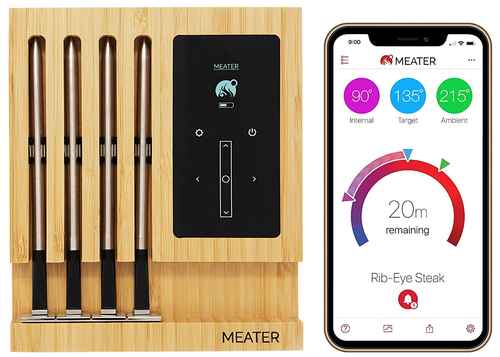
The safest and most accurate method to check doneness is with a meat thermometer. Chicken breast is fully cooked when it reaches an internal temperature of 165°F (74°C) at the thickest part.
Other indicators include:
- Juices run clear: Cut into the thickest part of the breast; the juices should be clear, not pink or reddish.
- Texture: The meat should feel firm but still tender and easy to shred with a fork.
- Color: The flesh should be opaque white throughout, without any translucent or raw-looking areas.
Avoid relying solely on time, as slow cookers can vary in actual temperature, and fillet thickness can differ.
Ingredients Needed
For basic slow-cooked chicken breast fillets, you’ll need:
- 4-6 boneless, skinless chicken breast fillets
- 1 cup chicken broth (or stock for added flavor)
- 1 teaspoon salt
- ½ teaspoon black pepper
- 1 teaspoon garlic powder or 2 cloves garlic, minced
- 1 teaspoon onion powder or ½ onion, finely chopped
- Optional herbs and spices: paprika, thyme, rosemary, or oregano
- Optional vegetables: carrots, potatoes, bell peppers, or celery
These ingredients create a versatile foundation that can be adapted for a variety of flavor profiles, from Italian-style dishes to comforting home-style meals.
How To Cook Chicken Breast Fillets In Slow Cooker
- Prepare the chicken: Pat the fillets dry with a paper towel and season both sides with salt, pepper, and your chosen spices.
- Add liquid: Pour the chicken broth into the slow cooker. The liquid keeps the meat moist and helps create a flavorful base for sauces or gravies.
- Layer ingredients: If using vegetables, place them at the bottom of the slow cooker and lay the chicken on top. This ensures even cooking and prevents the chicken from sticking.
- Cook: Cover and cook on low for 4-6 hours or high for 2-3 hours. Avoid opening the lid frequently, as heat escapes and extends cooking time.
- Check doneness: Use a meat thermometer to verify the internal temperature has reached 165°F (74°C). Remove from slow cooker and let rest for 5 minutes before serving or shredding.
When Things Go Wrong
Even with the best intentions, mistakes can happen:
- Dry chicken: Likely due to overcooking. To salvage, shred the meat and mix it with a little broth, sauce, or gravy to restore moisture.
- Undercooked chicken: Rare, but possible if fillets were exceptionally thick. Return to the slow cooker and cook in 30-minute increments until fully done.
- Rubbery texture: This can occur if cooked on high for too long. Slow cooking on low heat is usually gentler on lean fillets.
Expert Tips
- Uniform size: Trim fillets to similar thicknesses for even cooking.
- Sear for flavor: Quickly searing chicken in a hot pan before adding to the slow cooker enhances flavor through caramelization.
- Avoid overfilling: Leave some space for heat circulation, especially if using a smaller slow cooker.
- Add delicate herbs late: Fresh herbs like parsley or basil should be added in the last 30 minutes to preserve aroma and flavor.
Can I Do This Without A Slow Cooker?
Yes, chicken breast fillets can be cooked in the oven, stovetop, or Instant Pot:
- Oven: Bake at 375°F (190°C) for 20-30 minutes, depending on thickness.
- Stovetop: Simmer gently in a covered pan with liquid for 15-25 minutes.
- Instant Pot: Pressure cook on high for 8-12 minutes with a cup of broth, then natural release.
While these methods work, the slow cooker uniquely excels at creating ultra-moist, tender chicken with minimal effort.
Reheating Leftovers In Slow Cooker
Leftover chicken can be reheated gently in a slow cooker:
- Place shredded or whole fillets in the slow cooker.
- Add a small amount of broth or sauce to prevent drying out.
- Heat on low for 1-2 hours or until warmed through.
This method preserves moisture better than microwaving, which can easily make lean chicken dry or rubbery.
FAQs
Can I Cook Frozen Chicken Breast Fillets In A Slow Cooker?
Yes, you can cook frozen chicken breast fillets in a slow cooker. However, it is recommended to increase the cooking time by at least 1-2 hours on low heat to ensure the chicken reaches a safe internal temperature of 165°F (74°C). Avoid using the high setting with frozen chicken, as this can result in uneven cooking.
How Long Should I Cook Chicken Breast Fillets In A Slow Cooker?
For boneless, skinless chicken breast fillets, cook on low for 3-4 hours or on high for 1.5-2.5 hours. Cooking times may vary depending on the thickness of the fillets and the specific slow cooker model.
Do I Need To Add Liquid When Cooking Chicken Breast Fillets In A Slow Cooker?
Yes, it is essential to add some liquid such as water, broth, or a sauce to prevent the chicken from drying out and to promote even cooking. A general guideline is about 1/2 to 1 cup of liquid per 2-3 chicken fillets.
Should I Sear Chicken Breast Fillets Before Putting Them In The Slow Cooker?
Searing is optional but recommended if you want enhanced flavor and a slightly firmer texture. Browning the chicken in a pan before adding it to the slow cooker can add depth to the final dish.
How Can I Prevent Chicken Breast Fillets From Becoming Dry In A Slow Cooker?
To prevent dryness, cook the chicken on low heat rather than high, avoid overcooking, add sufficient liquid, and consider covering the chicken with sauce or broth. Using bone-in chicken can also help retain moisture.
Can I Cook Chicken Breast Fillets With Vegetables In A Slow Cooker?
Yes, chicken breast fillets can be cooked with vegetables. Root vegetables like carrots, potatoes, and onions work well. Place harder vegetables at the bottom and the chicken on top for even cooking. Avoid overloading the slow cooker, as this can affect heat distribution.
How Do I Know When Chicken Breast Fillets Are Fully Cooked In A Slow Cooker?
Use a meat thermometer to check the internal temperature, which should reach 165°F (74°C). The chicken should also be opaque and easily pull apart with a fork.
Can I Cook Chicken Breast Fillets In A Slow Cooker Without A Lid?
It is not recommended to cook chicken breast fillets without a lid because slow cookers rely on retained steam to cook food evenly. Removing the lid significantly increases cooking time and can dry out the chicken.
Can I Add Dairy Products Like Cream Or Cheese To Chicken Breast Fillets In A Slow Cooker?
Yes, but add dairy products such as cream or cheese during the last 30-60 minutes of cooking to prevent curdling. Dairy can enrich the sauce and add flavor but is sensitive to prolonged high heat.
Is It Safe To Leave Chicken Breast Fillets In A Slow Cooker On Warm After Cooking?
Yes, keeping the chicken on the ’warm’ setting for up to 2 hours is generally safe and can maintain serving temperature. However, prolonged warming can affect texture and may dry out the chicken if not covered in liquid.