How To Cook Beef Back Ribs In Slow Cooker [GUIDE]
Beef back ribs are a cut that embodies richness, tenderness, and bold flavor. They’re taken from the upper portion of the cow’s ribcage, closer to the spine, which means they carry a moderate amount of meat over the bones and a deep, beefy taste that is perfect for slow, low-temperature cooking. Unlike the more common pork ribs, beef back ribs require patience and care to transform them from tough, fibrous strips into succulent, melt-in-your-mouth bites.
Slow cooking is arguably the ideal method for beef back ribs. It allows the connective tissue to break down gradually while the meat absorbs seasoning and any sauce you choose. The result is tender, flavorful ribs that can be pulled off the bone effortlessly, all without the need for constant monitoring or flipping, which is common in oven or grill-based methods.
Contents
- 1 How Long To Cook Beef Back Ribs In Slow Cooker
- 2 How To Tell If It Is Done
- 3 Ingredients Needed
- 4 How To Cook Beef Back Ribs In Slow Cooker
- 5 When Things Go Wrong
- 6 Expert Tips
- 7 Can I Do This Without A Slow Cooker?
- 8 Reheating Leftovers In Slow Cooker
- 9 FAQs
- 9.1 What Are The Best Beef Back Ribs For Slow Cooking?
- 9.2 Do I Need To Remove The Membrane From Beef Back Ribs?
- 9.3 Should I Sear The Ribs Before Putting Them In The Slow Cooker?
- 9.4 What Liquid Should I Use In A Slow Cooker For Beef Back Ribs?
- 9.5 How Long Should I Cook Beef Back Ribs In A Slow Cooker?
- 9.6 Do I Need To Cover The Slow Cooker With A Lid?
- 9.7 Can I Use Barbecue Sauce During Slow Cooking Or After Cooking?
- 9.8 How Can I Tell When The Ribs Are Fully Cooked?
- 9.9 Is It Better To Cut The Ribs Before Or After Slow Cooking?
- 9.10 Can I Freeze Slow-cooked Beef Back Ribs?
How Long To Cook Beef Back Ribs In Slow Cooker
Cooking time is crucial to achieving ribs that are tender but not falling apart into mush. For beef back ribs in a slow cooker, the general guideline is:
- Low heat setting: 6-8 hours
- High heat setting: 3-4 hours
The extended cooking time on low allows the collagen and connective tissue in the ribs to break down slowly, enhancing tenderness while keeping the meat juicy. High heat speeds up the process, but you must watch closely to avoid drying out the ribs. Factors like the thickness of the ribs and whether they’re bone-in or boneless can slightly alter cooking times, so always combine timing with visual and tactile cues to ensure perfection.
How To Tell If It Is Done
Determining when beef back ribs are done goes beyond simply looking at a timer. Here are the best indicators:
- Pull test: The meat should begin to pull away from the bones naturally. If you use tongs, the ribs should lift without resistance.
- Fork test: A fork inserted into the thickest part should meet little resistance and the meat should feel tender, not stringy or tough.
- Juices: Clear, rich juices indicate that the internal temperature has reached the level where connective tissue has melted into gelatin.
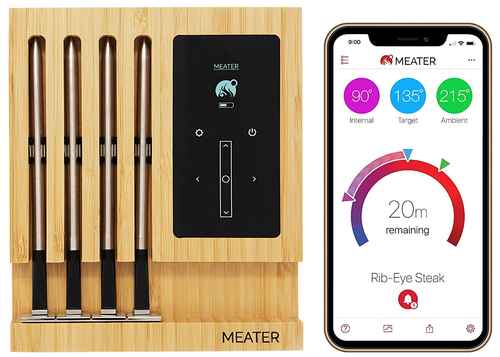
For an extra level of precision, use a meat thermometer: the internal temperature should reach 190-203°F (88-95°C). At this point, the ribs are fully tender and richly flavorful.
Ingredients Needed
For a basic, flavorful slow-cooked beef back ribs recipe, you’ll need:
- Beef back ribs: 2-3 pounds, trimmed of excess fat
- Salt and pepper: To taste
- Garlic: 3-4 cloves, minced
- Onion: 1 medium, thinly sliced
- Barbecue sauce: 1 cup, or any preferred glaze
- Beef broth or stock: 1/2-1 cup for moisture
- Optional aromatics and seasonings: Smoked paprika, chili powder, brown sugar, Worcestershire sauce, fresh herbs (thyme or rosemary)
These ingredients combine to create a rich, savory, slightly sweet flavor profile, with the slow cooker allowing every element to meld into the beef.
How To Cook Beef Back Ribs In Slow Cooker
- Prepare the ribs: Remove any silver skin or excess fat. Pat them dry, then season generously with salt, pepper, and optional dry spices.
- Layer aromatics: Place sliced onions and minced garlic at the bottom of the slow cooker. This prevents the ribs from sticking and infuses flavor.
- Add the ribs: Lay the ribs bone-side down in the slow cooker. If stacking is necessary, slightly overlap without cramming.
- Add liquids: Pour beef broth around the ribs, not directly over the meat, to maintain the seasoning on top. Add barbecue sauce or other sauces on top.
- Cook low and slow: Cover and cook on low for 6-8 hours or high for 3-4 hours, checking occasionally.
- Finish (optional): For a caramelized finish, broil the ribs for 5-10 minutes in the oven after slow cooking. Brush with additional barbecue sauce for a glossy, sticky exterior.
When Things Go Wrong
Even with the slow cooker’s forgiving nature, mistakes can happen:
- Ribs are tough: Likely undercooked. Extend cooking time by 30-60 minutes. Avoid opening the lid repeatedly, as heat loss slows cooking.
- Ribs are dry: Possibly overcooked or not enough liquid. For next time, add extra broth or sauce to maintain moisture.
- Flavor too mild: Slow cooking can dilute spices. Increase seasoning in the rub or add more aromatic herbs.
Expert Tips
- Trim excess fat carefully: Too much fat can create a greasy texture, but leaving a thin layer adds flavor.
- Marinate ahead: Even 1-2 hours in a simple marinade elevates taste.
- Do not overcrowd: Ensure ribs have room for steam circulation for even cooking.
- Use foil for layering: If you want minimal cleanup, wrap ribs loosely in foil within the slow cooker.
- Rotate once: Turning ribs halfway through cooking helps evenly distribute juices.
Can I Do This Without A Slow Cooker?
Yes, alternatives include:
- Oven: Cook at 275°F (135°C) covered in foil for 3-4 hours, then broil for a caramelized top.
- Instant Pot/pressure cooker: High pressure for 35-45 minutes, followed by a natural release, then optional broil.
- Grill (indirect heat): Wrap in foil and cook at low heat (225-250°F / 107-121°C) for 3-4 hours, then glaze and sear.
Each method mimics slow-cooked tenderness but requires slightly more attention.
Reheating Leftovers In Slow Cooker
To preserve moisture and texture:
- Place leftover ribs in the slow cooker.
- Add a splash of beef broth or leftover sauce to prevent drying.
- Cover and heat on low for 1-2 hours until warmed through.
- Avoid high heat or rapid reheating, which can toughen meat.
FAQs
What Are The Best Beef Back Ribs For Slow Cooking?
The best beef back ribs for slow cooking are meaty, well-marbled ribs with a good layer of fat. Look for ribs with uniform thickness and a rich red color, as these will become tender and flavorful during slow cooking.
Do I Need To Remove The Membrane From Beef Back Ribs?
Yes, removing the silver membrane on the bone side of the ribs helps the meat become more tender and allows seasonings and sauces to penetrate better during cooking.
Should I Sear The Ribs Before Putting Them In The Slow Cooker?
Searing ribs before slow cooking is optional but recommended. Browning the ribs in a hot skillet for a few minutes on each side enhances flavor and adds a richer color to the finished dish.
What Liquid Should I Use In A Slow Cooker For Beef Back Ribs?
You can use beef broth, stock, a mixture of barbecue sauce and water, or even a combination of wine and broth. The liquid helps maintain moisture and prevents the ribs from drying out.
How Long Should I Cook Beef Back Ribs In A Slow Cooker?
Cook beef back ribs on low for 6 to 8 hours or on high for 3 to 4 hours. Slow cooking ensures the ribs become tender and the meat easily pulls away from the bone.
Do I Need To Cover The Slow Cooker With A Lid?
Yes, always cover the slow cooker with a lid to trap moisture and heat. This ensures even cooking and prevents the ribs from drying out.
Can I Use Barbecue Sauce During Slow Cooking Or After Cooking?
You can add barbecue sauce during the last hour of cooking to infuse flavor without burning, or brush it on after slow cooking and finish the ribs under a broiler for a caramelized glaze.
How Can I Tell When The Ribs Are Fully Cooked?
The ribs are fully cooked when the meat is tender, easily pulls away from the bone, and reaches an internal temperature of 190-203°F (88-95°C).
Is It Better To Cut The Ribs Before Or After Slow Cooking?
It is best to cut the ribs after slow cooking to maintain juiciness and presentation. Cutting them beforehand can result in smaller pieces that may dry out more easily.
Can I Freeze Slow-cooked Beef Back Ribs?
Yes, slow-cooked beef back ribs can be frozen. Allow them to cool completely, wrap them tightly in foil or plastic wrap, and store in an airtight container or freezer bag for up to 3 months. Reheat gently to preserve moisture.