
How To Cook Small Roast In Slow Cooker [GUIDE]
Cooking a small roast in a slow cooker is a culinary process that transforms a humble cut of meat into a tender, flavorful centerpiece for any meal. Unlike traditional roasting methods, the slow cooker relies on gentle, sustained heat to break down connective tissue, infuse flavors, and retain moisture, resulting in a roast that is juicy, succulent, and practically melts in your mouth. Whether it’s a beef chuck, pork shoulder, or even a small lamb roast, the slow cooker method is perfect for busy cooks, as it allows you to set it and forget it while the aroma fills your kitchen. Beyond convenience, slow-cooking deepens flavors in a way that conventional methods often cannot replicate, making each bite an experience of rich, comforting satisfaction.
Contents
- 1 How Long To Cook Small Roast In Slow Cooker
- 2 How To Tell If It Is Done
- 3 Ingredients Needed
- 4 How To Cook Small Roast In Slow Cooker
- 5 When Things Go Wrong
- 6 Expert Tips
- 7 Can I Do This Without A Slow Cooker?
- 8 Reheating Leftovers In Slow Cooker
- 9 FAQs
- 9.1 What Size Of Roast Is Considered ’small’ For A Slow Cooker?
- 9.2 Do I Need To Sear A Small Roast Before Placing It In The Slow Cooker?
- 9.3 How Long Should I Cook A Small Roast In A Slow Cooker?
- 9.4 Can I Cook A Small Roast Without Adding Liquid?
- 9.5 What Vegetables Work Best With A Small Roast In A Slow Cooker?
- 9.6 How Can I Ensure The Small Roast Stays Tender And Juicy?
- 9.7 Can I Use Frozen Roast In A Slow Cooker?
- 9.8 Should I Add Seasoning Before Or After Cooking?
- 9.9 How Do I Make A Gravy From The Small Roast Drippings?
- 9.10 Can I Cook Multiple Small Roasts In The Slow Cooker At The Same Time?
How Long To Cook Small Roast In Slow Cooker
The cooking time for a small roast in a slow cooker depends on several factors, including the size of the roast, the type of meat, and whether you prefer low or high heat. As a general guideline:
- Low heat: 6-8 hours for a 2-3 pound roast
- High heat: 3-4 hours for a 2-3 pound roast
Slow cooking on low is preferable for the most tender results, as it allows the meat’s collagen and connective tissues to gradually break down, creating a melt-in-your-mouth texture. High heat can speed up the process, but it risks slightly drying out the edges if not monitored carefully. A key tip is to allow the roast to rest for 10-15 minutes after removing it from the slow cooker, which lets juices redistribute and enhances tenderness.
How To Tell If It Is Done
Determining whether a roast is fully cooked is about both texture and internal temperature:
- Visual cues: The meat should easily pull apart with a fork, and juices should run clear, not pink or bloody.
-
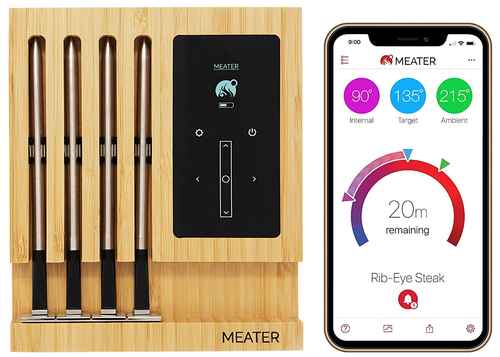
Internal temperature: Use a meat thermometer to ensure safety and doneness:
- Beef, medium: 145°F
- Beef, well done: 160°F
- Pork: 145°F (rested)
- Lamb: 145°F (medium)
A fork test works well for slow-cooked roasts: if the meat offers no resistance and easily shreds, it is ready. Remember that slow cookers maintain a humid cooking environment, so roasts may appear slightly darker or more ’wet’ than oven-roasted meat, which is normal.
Ingredients Needed
While the roast itself is the star, complementary ingredients elevate its flavor:
- Protein: 2-3 pound beef, pork, or lamb roast
- Vegetables (optional but recommended): Carrots, onions, celery, potatoes
- Liquid: 1-2 cups broth, wine, or a mixture for flavor and moisture
- Aromatics & Herbs: Garlic, thyme, rosemary, bay leaves
- Seasonings: Salt, pepper, paprika, optional Worcestershire sauce or soy sauce for depth
- Optional thickener: Cornstarch or flour for gravy at the end
These ingredients interact over hours of slow cooking, creating layers of taste where the meat absorbs the herbs and the vegetables soak up the rich juices.
How To Cook Small Roast In Slow Cooker
- Prep the roast: Pat the meat dry and season generously with salt, pepper, and any desired spices. Optional: sear the roast in a hot skillet for 2-3 minutes per side to create a deeper flavor and a caramelized exterior.
- Arrange vegetables: Place hearty vegetables like carrots, potatoes, and onions at the bottom of the slow cooker. This acts as a natural rack and prevents the meat from sitting directly in liquid.
- Add liquid: Pour in broth, wine, or a combination. The liquid should cover about one-third of the roast.
- Add aromatics: Tuck garlic, herbs, or bay leaves around the roast.
- Cook: Cover and cook on low for 6-8 hours or on high for 3-4 hours. Avoid lifting the lid unnecessarily, as heat escapes and slows the cooking process.
- Finish: Once done, remove the roast and let it rest. Strain and reduce the juices for a flavorful gravy if desired.
When Things Go Wrong
Even with slow cooking, things can go awry:
- Tough meat: Often caused by cooking lean cuts too quickly or skipping slow-cook low heat. Solution: slice thinly or shred and simmer longer.
- Dry edges: Usually from high heat or insufficient liquid. Solution: add broth halfway and cover tightly.
- Under-seasoned: Slow cooking can dilute seasoning. Taste the juices near the end and adjust salt, pepper, or herbs.
- Vegetables too mushy: Place root vegetables under the meat or add more delicate vegetables later in the cooking cycle.
Expert Tips
- Sear first: Browning meat locks in flavor.
- Layering matters: Dense vegetables under the meat, delicate ones added later.
- Use the right cut: Chuck, brisket, or shoulder for beef; shoulder for pork; leg for lamb.
- Don’t overfill: The slow cooker should be about two-thirds full for even cooking.
- Timing: If you’re not home, cooking on low for longer is safer than high heat.
Can I Do This Without A Slow Cooker?
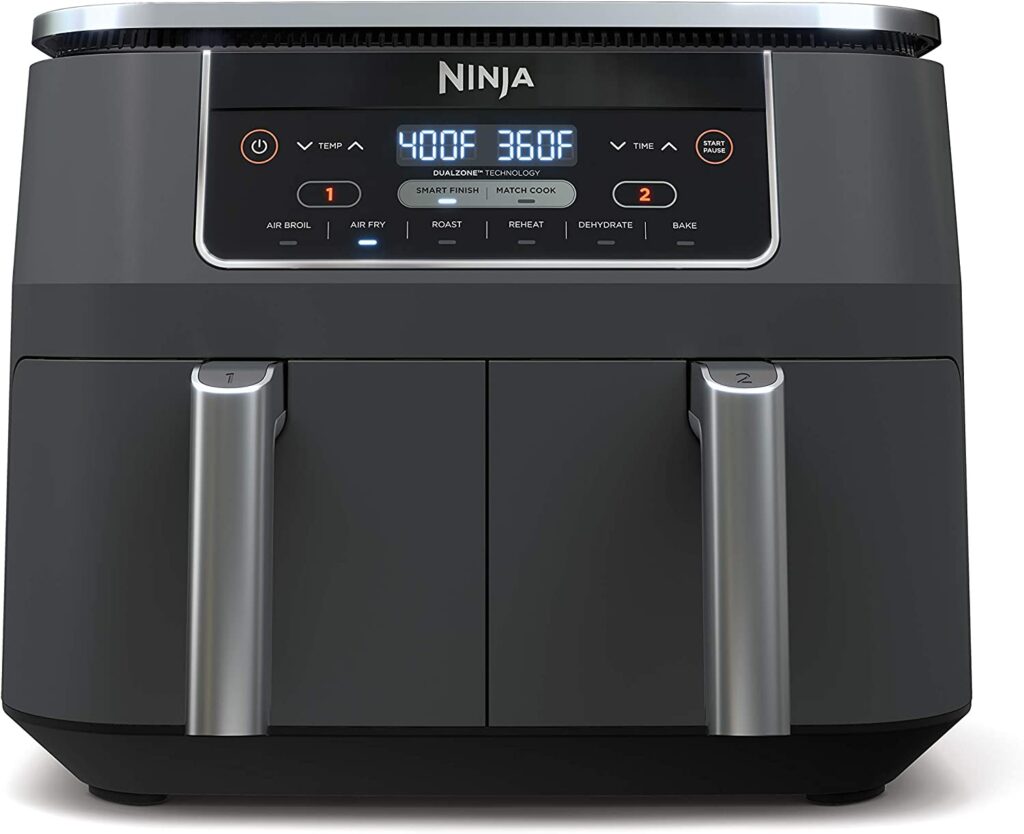
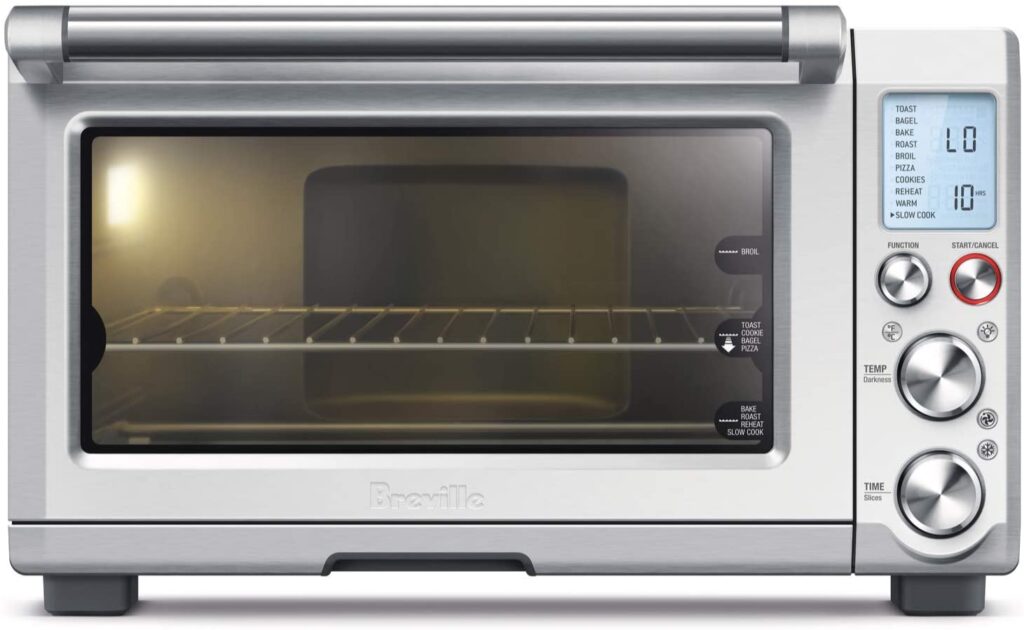
Absolutely. A small roast can be cooked in the oven at a low temperature (275-325°F) in a covered roasting pan with broth or wine, mimicking slow cooking. On the stovetop, braising in a heavy pot over low heat is another alternative. Both methods rely on slow, moist heat to tenderize the meat, but the convenience of a slow cooker-especially for unattended cooking-makes it uniquely valuable.
Reheating Leftovers In Slow Cooker
Leftover roast can be gently reheated in a slow cooker to maintain moisture:
- Slice or shred the leftover meat.
- Add a splash of broth or sauce to prevent drying.
- Heat on low for 1-2 hours until warmed through.
Avoid high heat, as it can toughen the meat. This method also allows flavors to meld further, sometimes improving the taste.
FAQs
What Size Of Roast Is Considered ’small’ For A Slow Cooker?
A small roast typically weighs between 2 to 4 pounds. This size allows the meat to cook evenly in a standard slow cooker without overcrowding, which helps retain moisture and flavor.
Do I Need To Sear A Small Roast Before Placing It In The Slow Cooker?
Searing is optional but recommended. Browning the meat in a skillet before slow cooking enhances flavor through the Maillard reaction and gives the roast a richer color and taste.
How Long Should I Cook A Small Roast In A Slow Cooker?
Cooking time depends on the temperature setting: on low, a 2-4 pound roast generally takes 6-8 hours; on high, it usually takes 3-4 hours. Always check for tenderness with a fork before serving.
Can I Cook A Small Roast Without Adding Liquid?
A small amount of liquid, such as broth, wine, or water, is recommended to prevent the roast from drying out and to create flavorful drippings. About ½ to 1 cup is typically sufficient for a 2-4 pound roast.
What Vegetables Work Best With A Small Roast In A Slow Cooker?
Root vegetables like carrots, potatoes, parsnips, and onions work best because they hold up well during long cooking times. Cut them into even pieces to ensure uniform cooking.
How Can I Ensure The Small Roast Stays Tender And Juicy?
Cook the roast on low heat for a longer period, avoid lifting the lid frequently, and choose a cut suitable for slow cooking, such as chuck, brisket, or shoulder. Adding a small amount of liquid also helps retain moisture.
Can I Use Frozen Roast In A Slow Cooker?
It is not recommended to place a frozen roast directly in the slow cooker, as it may stay in the temperature danger zone for too long, increasing the risk of bacterial growth. Thaw the roast in the refrigerator first.
Should I Add Seasoning Before Or After Cooking?
Seasoning can be applied before cooking to infuse flavors, but delicate herbs like parsley or basil are best added near the end to preserve their aroma and color. Salt and pepper can be added at the beginning.
How Do I Make A Gravy From The Small Roast Drippings?
After the roast is done, remove it along with vegetables. Pour the liquid from the slow cooker into a saucepan, skim excess fat, and simmer. Thicken with a slurry of flour or cornstarch mixed with water until the desired consistency is reached.
Can I Cook Multiple Small Roasts In The Slow Cooker At The Same Time?
You can cook multiple small roasts if they fit comfortably without stacking, allowing heat to circulate evenly. If the cooker is overcrowded, cooking times will increase and meat may not cook evenly.